If you have been searching for healthy ways to lose weight, improve your energy, or control your appetite, you have probably heard about the keto diet. It has become one of the most popular diets in the world. But many people still wonder what it actually is and whether it is right for them.
The keto diet is not just another trend. It is a low-carb, high-fat eating plan that changes the way your body gets energy. Instead of using carbohydrates like bread, rice, and sugar, your body starts using fat as its main fuel source.
This process is called ketosis.
It may sound complicated, but it is actually quite simple once you understand the basics. In this guide, we will explain everything you need to know about the keto diet, including how it works, its benefits, foods you can eat, foods to avoid, and how to start safely.
What Is a Keto Diet?
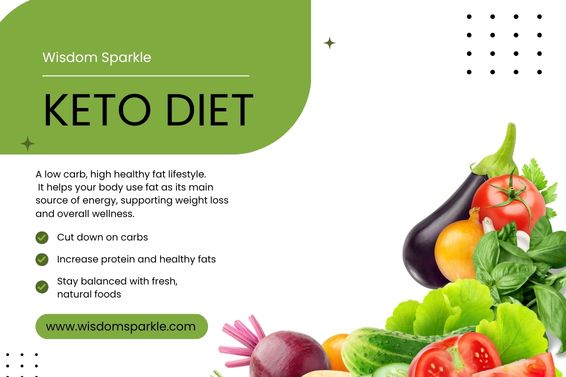
The ketogenic diet, often called keto, is a way of eating that is very low in carbohydrates, moderate in protein, and high in healthy fats.
Normally, your body uses carbohydrates for energy. When you eat foods like bread, pasta, fruits, and sweets, your body turns them into glucose, which becomes its main fuel.
On the keto diet, you greatly reduce your carb intake. As a result, your body no longer has enough glucose to use for energy.
So, what happens next?
Your liver begins breaking down fat into small molecules called ketones. Your body then uses these ketones for fuel instead of sugar.
This state is known as ketosis.
How Does the Keto Diet Work?
When your carb intake drops, your insulin levels also decrease. This allows your body to burn stored fat more easily.
Think of it like switching from gasoline to electricity. Your body simply changes its energy source.
Most keto diets follow this basic ratio:
- 70% healthy fats
- 20% protein
- 10% carbohydrates
That means most of your calories come from fat.
Foods like avocado, eggs, cheese, nuts, olive oil, and fatty fish become your new best friends.
Benefits of the Keto Diet
Many people choose keto because of its potential health benefits.
1. Weight Loss
Keto can help reduce hunger and increase fat burning, making weight loss easier.
2. Better Blood Sugar Control
It may help people manage blood sugar levels by reducing carb intake.
3. Increased Energy
Once your body adapts, many people report steady energy throughout the day.
4. Reduced Appetite
Fat and protein keep you feeling full for longer.
5. Improved Mental Focus
Some people notice better concentration and less brain fog.
Foods You Can Eat on Keto
The keto diet includes many delicious foods.
Healthy Fats
- Avocados
- Olive oil
- Coconut oil
- Butter
- Ghee
Protein Sources
- Eggs
- Chicken
- Beef
- Fish
- Turkey
- Pork
Low-Carb Vegetables
- Spinach
- Broccoli
- Cauliflower
- Zucchini
- Bell peppers
Dairy
- Cheese
- Heavy cream
- Greek yogurt (unsweetened)
Snacks
- Nuts
- Seeds
- Olives
Foods to Avoid
Certain foods are too high in carbs for keto.
- Bread
- Pasta
- Rice
- Potatoes
- Sugar
- Soda
- Candy
- Most fruits
- Fruit juices
Even healthy foods like bananas and sweet potatoes are usually avoided.
How to Start Keto the Right Way
Starting keto can feel overwhelming, but it does not have to be.
Step 1: Reduce Carbs Slowly
Cut back on sugary foods and starchy carbohydrates first.
Step 2: Increase Healthy Fats
Add avocado, olive oil, nuts, and fatty fish to your meals.
Step 3: Plan Your Meals
Meal planning helps you stay on track.
Step 4: Stay Hydrated
Drink plenty of water throughout the day.
Step 5: Replace Electrolytes
Sodium, potassium, and magnesium are important.
Step 6: Be Patient
Your body needs time to adjust.
Keto Flu: What to Expect
Some people experience temporary symptoms when starting keto.
Common symptoms include:
- Headache
- Fatigue
- Irritability
- Dizziness
- Muscle cramps
This is known as the “keto flu.”
It usually lasts a few days.
Drinking water and getting enough electrolytes can help.
Sample Keto Meal Plan
Breakfast
Scrambled eggs cooked in butter with avocado.
Lunch
Grilled chicken salad with olive oil dressing.
Dinner
Salmon with roasted broccoli and cauliflower.
Snack
A handful of almonds or cheese slices.
Simple, satisfying, and keto-friendly.
Common Mistakes to Avoid
Eating Too Much Protein
Too much protein can interfere with ketosis.
Not Eating Enough Fat
Fat should be your main energy source.
Forgetting Electrolytes
Low-carb diets can cause mineral loss.
Giving Up Too Soon
Your body needs time to adapt.
Is Keto Safe for Everyone?
Keto is generally safe for many healthy adults.
However, it may not be suitable for everyone.
People with certain medical conditions should speak with a doctor before starting.
This includes those with:
- Diabetes
- Kidney disease
- Liver problems
- Pregnancy
Always prioritize your health.
How Long Does It Take to Enter Ketosis?
Most people enter ketosis within 2 to 7 days.
This depends on:
- Carb intake
- Activity level
- Metabolism
You can use urine strips or blood ketone meters to check.
Can You Exercise on Keto?
Absolutely.
Light exercise is recommended during the first week.
Once adapted, many people perform very well on keto.
Walking, strength training, and yoga are excellent choices.
Tips for Long-Term Success
- Read food labels carefully.
- Keep keto snacks available.
- Track your carb intake.
- Prepare meals in advance.
- Focus on whole foods.
- Stay consistent.
Remember, perfection is not required.
Consistency matters more.
Frequently Asked Questions
Can I Eat Fruit on Keto?
Some low-carb fruits like berries are allowed in moderation.
Can I Drink Coffee?
Yes. Black coffee is keto-friendly.
Is Keto Good for Weight Loss?
Many people find it very effective.
Will I Gain Weight After Stopping?
That depends on your eating habits afterward.
Final Thoughts
The keto diet can be an effective way to lose weight, improve energy, and support overall health when done correctly.
It works by training your body to burn fat instead of carbohydrates. While the first few days may feel challenging, many people find the results worth the effort.
Start slowly, choose healthy foods, stay hydrated, and listen to your body.
Most importantly, remember that no single diet works for everyone. The best eating plan is one that you can maintain and enjoy over the long term.
If you have any medical conditions, consult your healthcare provider before making major dietary changes.
A healthier lifestyle begins with one simple step—and keto might just be yours.