What Is Digital Marketing? Start & Earn Online Easily Now
Digital marketing is a simple way to promote products and services online and earn money from home. In this easy guide, you will learn what digital marketing is, how it works, different types, and step-by-step methods to start your journey. Even if you are a beginner with no experience, you can understand everything easily and begin earning online with the right approach and consistency.
What Is Digital Marketing and Why Is Everyone Talking About It?
Digital marketing is changing the way businesses grow online. In this easy beginner-friendly blog, learn what digital marketing is, why it is important, different types of online marketing, and how anyone can start learning and earning online step by step.
What Is SEO in Digital Marketing and Why Is It Important?
Learn what SEO in digital marketing is, how search engines work, and why SEO is important for increasing website traffic, improving online visibility, and growing businesses online. Discover simple SEO techniques, beginner-friendly tips, and the key factors that help websites rank higher on search engines like Google and attract the right audience naturally.
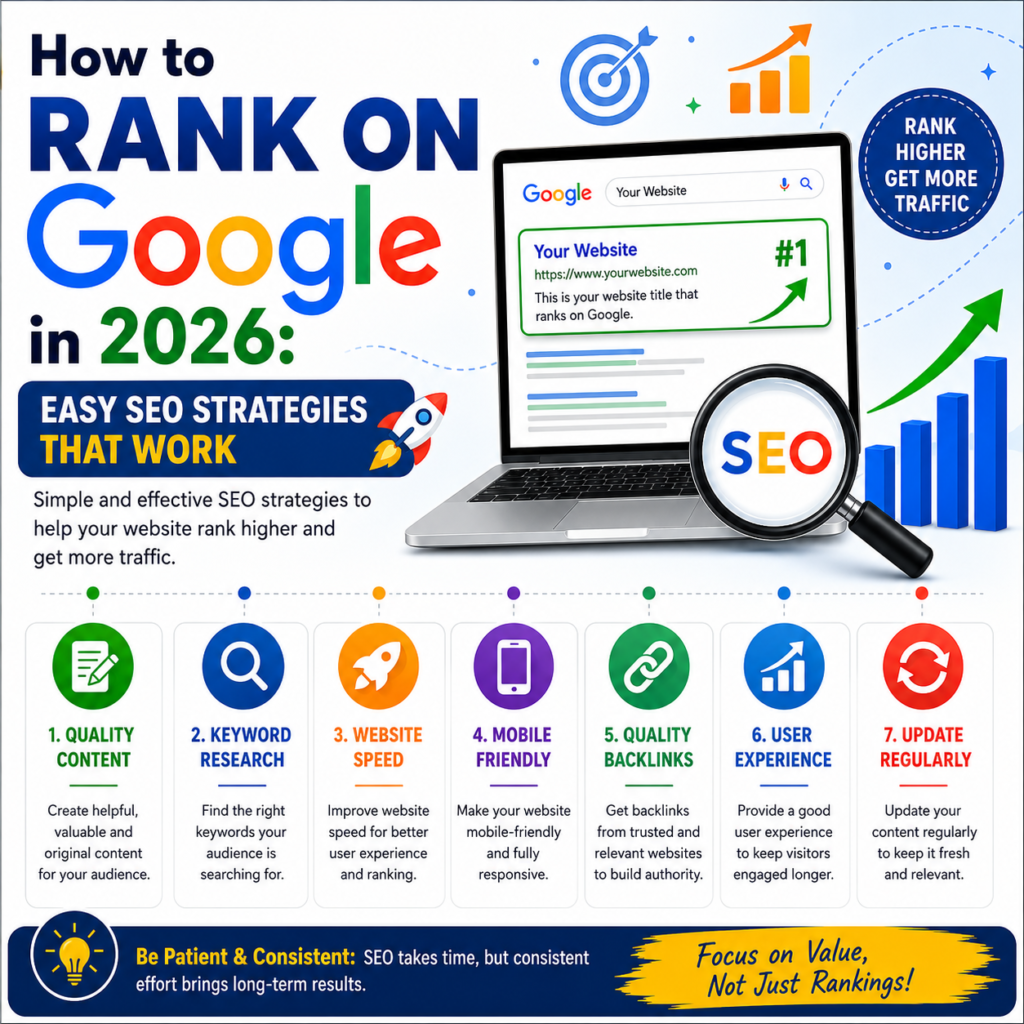
How to Rank on Google in 2026: Easy SEO Strategies That Work
Want to rank higher on Google in 2026? This beginner-friendly guide shares easy SEO strategies that help improve website traffic, boost rankings, and grow your online presence naturally. Learn how to use the right keywords, create helpful content, improve website speed, optimize for mobile users, and build a better user experience that Google loves. Whether you are a blogger, business owner, or digital marketing beginner, these simple SEO tips can help your website grow step by step without using complicated techniques.
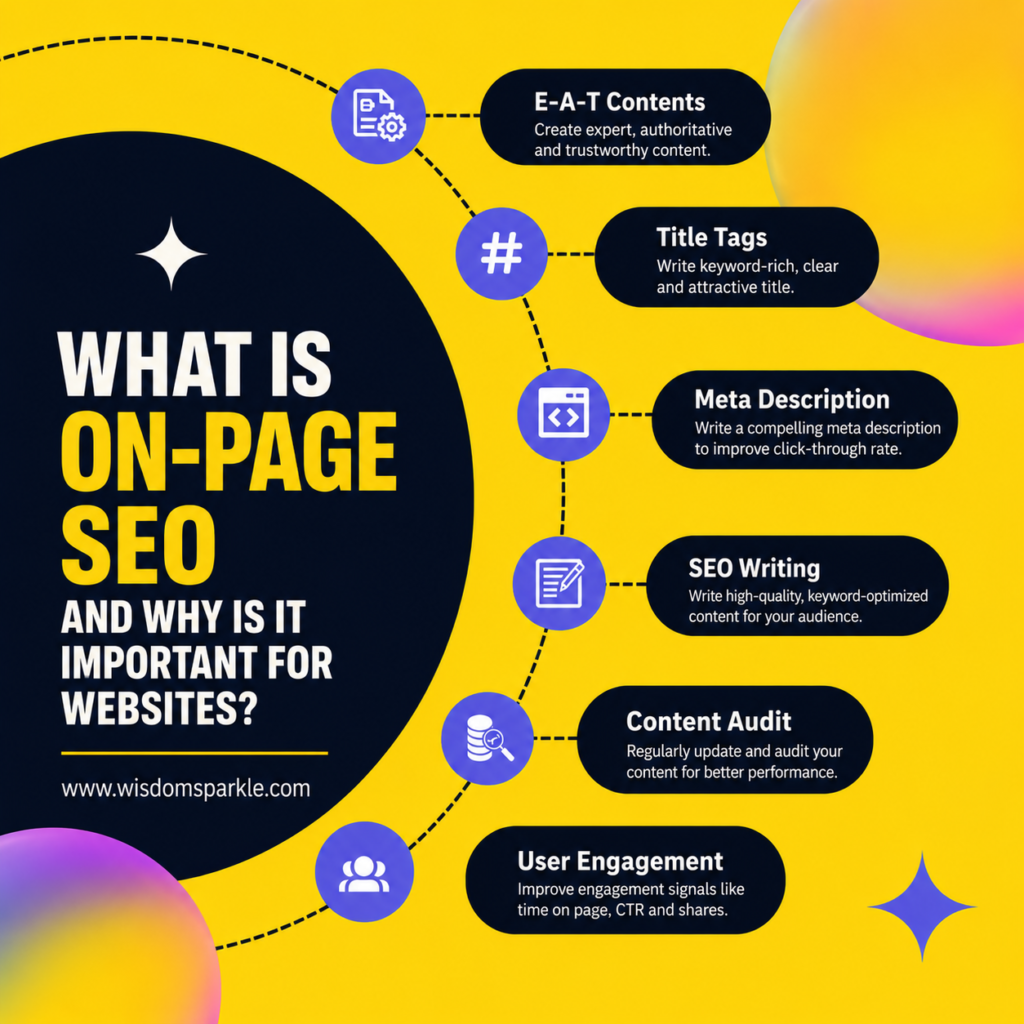
What Is On-Page SEO and Why Is It Important for Websites
Learn what On-Page SEO is and why it is important for website growth and better search engine rankings. This guide explains simple and effective SEO techniques like keyword optimization, title tags, meta descriptions, internal linking, mobile-friendly design, website speed, and high-quality content. Discover how On-Page SEO helps improve user experience, increase organic traffic, and make your website more visible on search engines like Google.
What Is Local SEO and Why Is It Important for Small Businesses?
Local SEO helps small businesses appear in Google Search and Google Maps when people search for nearby services or products. It improves online visibility, attracts local customers, increases website traffic, and helps businesses grow in their local area. In this blog, learn what Local SEO is, how it works, and simple tips beginners can use to improve local rankings and reach more customers online.
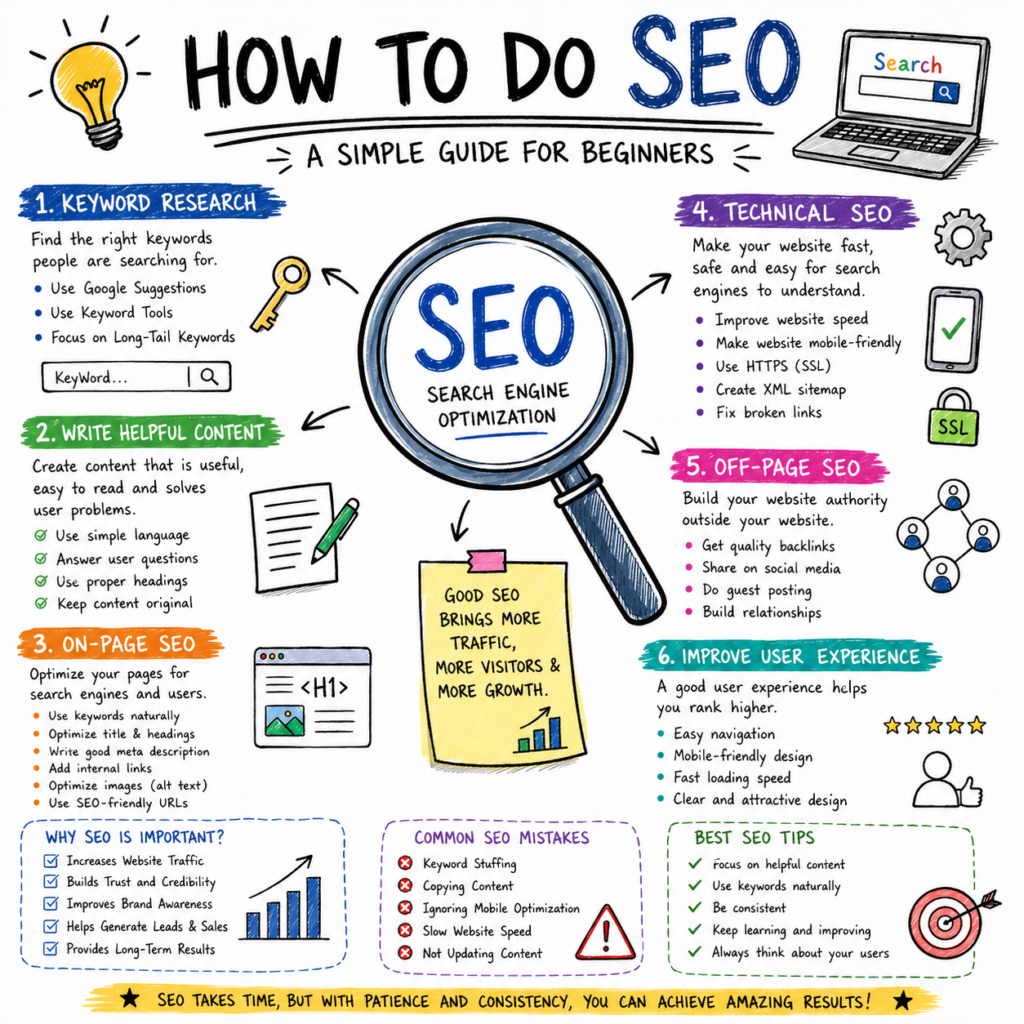
How to Do SEO for Beginners: Simple Step-by-Step Guide
SEO helps your website rank higher on Google and attract more visitors naturally. In this beginner-friendly blog, learn simple SEO techniques like keyword research, content optimization, on-page SEO, backlinks, and website improvement tips to grow your website traffic and online visibility step by step.
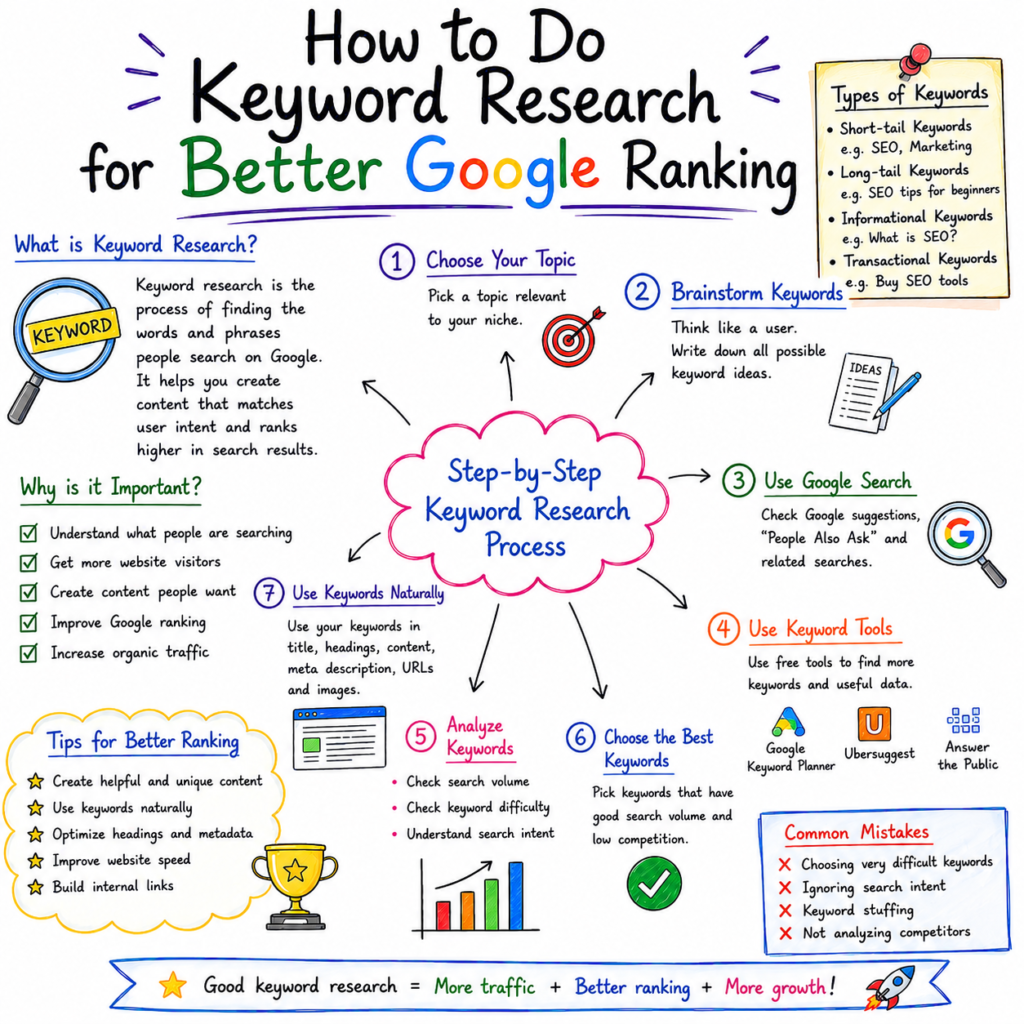
How to Do Keyword Research for Better Google Ranking
Keyword research is one of the most important parts of SEO. It helps you understand what people are searching for on Google so you can create content that ranks better and brings more traffic to your website.
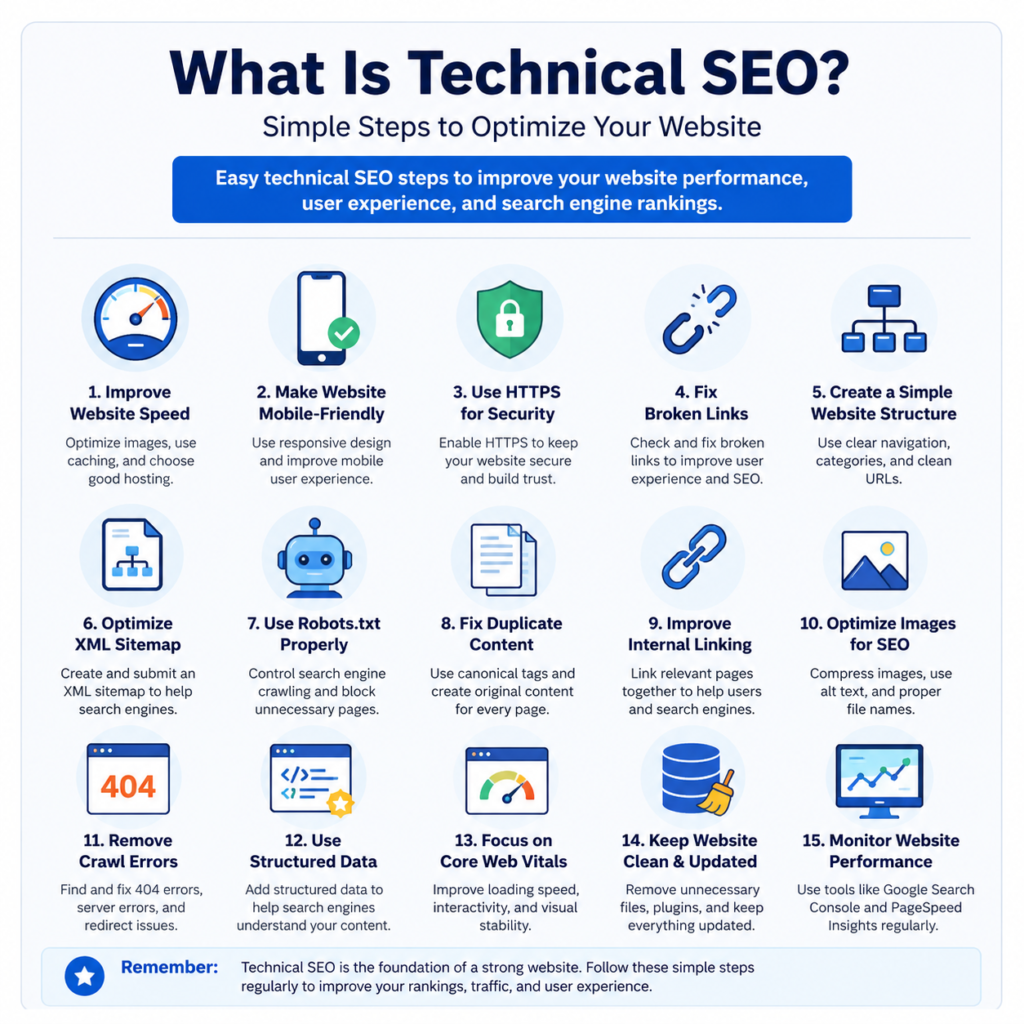
What Is Technical SEO? Simple Steps to Optimize Your Website
Technical SEO helps improve your website performance and makes it easier for search engines to understand your content. In this simple guide, learn easy technical SEO tips like improving website speed, fixing broken links, mobile optimization, and creating a better website structure for higher Google rankings.
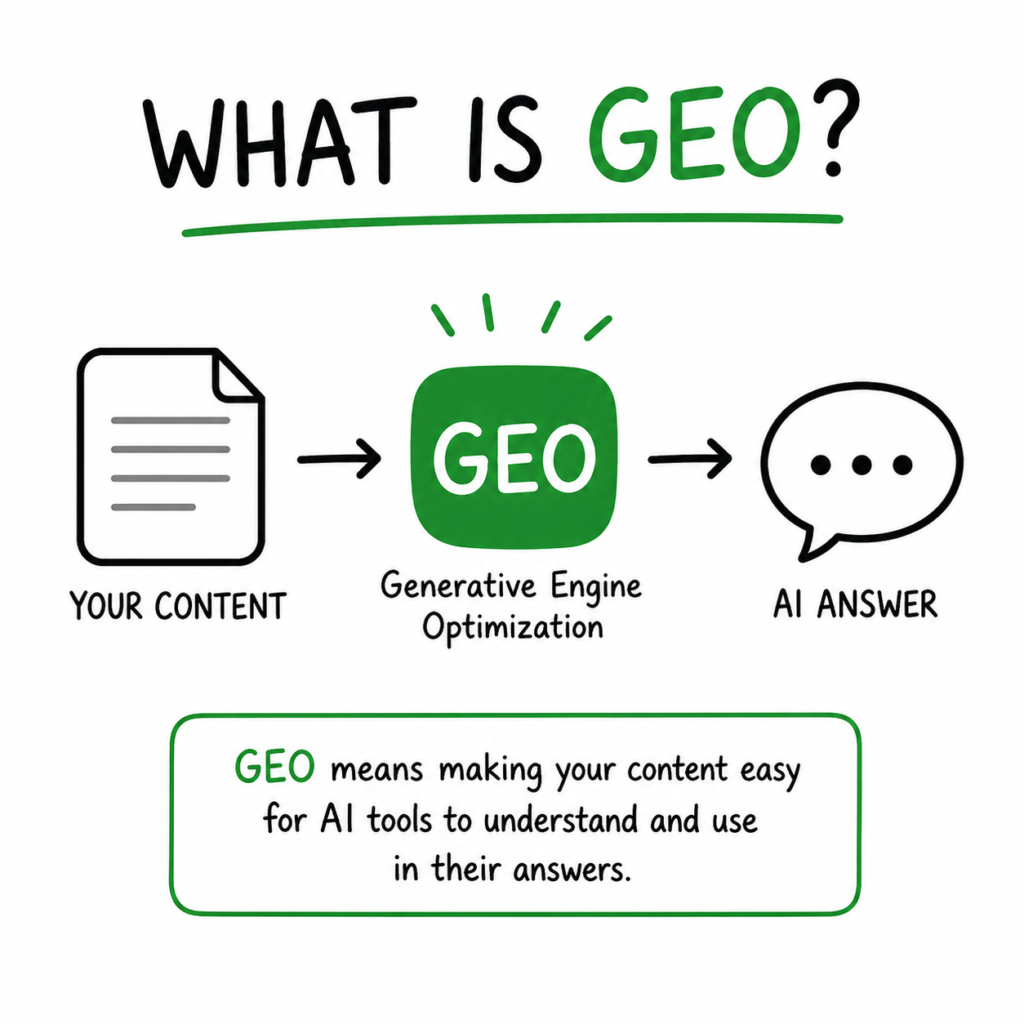
What Is GEO and How Is It Different from SEO?
GEO (Generative Engine Optimization) is becoming an important topic as AI tools like ChatGPT and Gemini change the way people search for information. In this simple guide, learn what GEO is, how it works, how it differs from SEO, and why both GEO and SEO are important for websites in 2026.
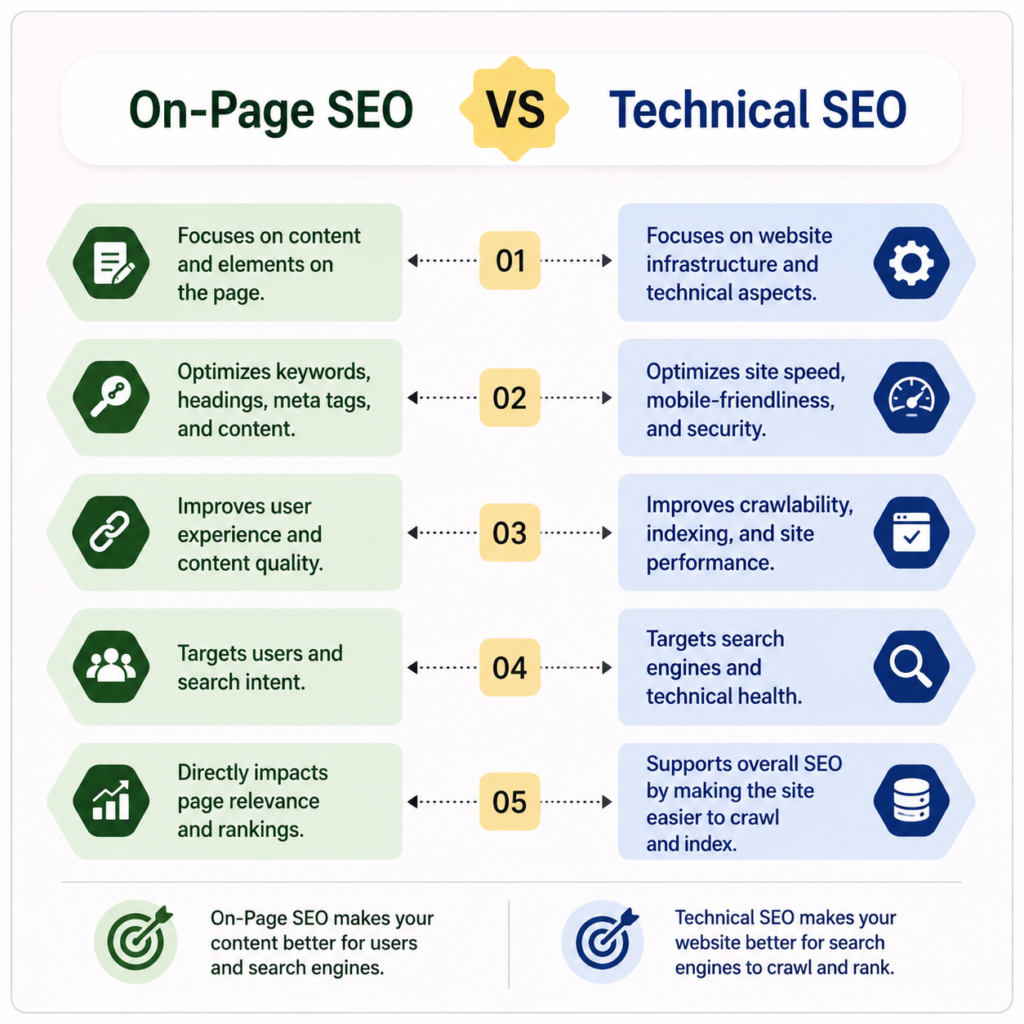
What Is the Difference Between On-Page SEO and Technical SEO?
On-Page SEO and Technical SEO are two important parts of search engine optimization. On-Page SEO focuses on content, keywords, headings, and user experience, while Technical SEO focuses on website speed, security, crawlability, and indexing. This guide explains the key differences between them and why both are essential for better search rankings and website growth.
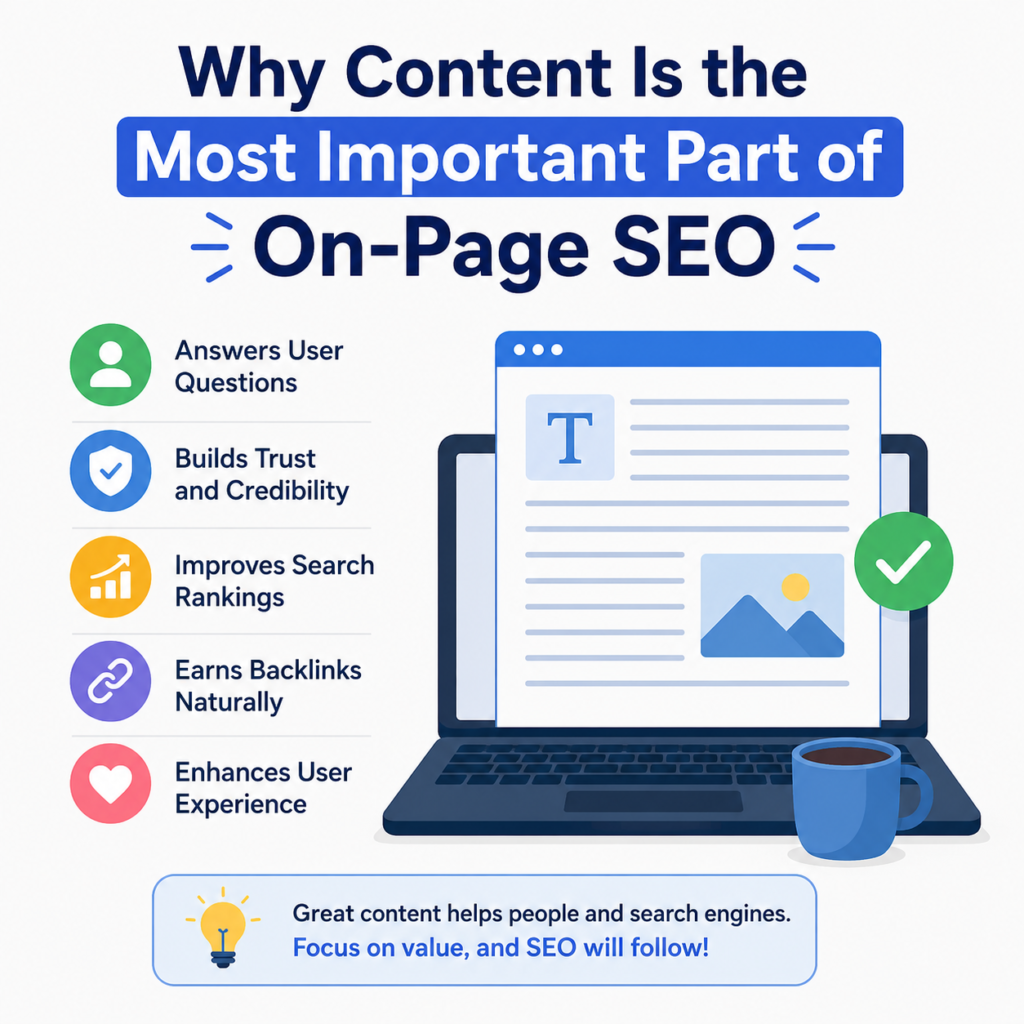
Why Content Is the Most Important Part of On-Page SEO | E-E-A-T & Google Updates
Content plays the biggest role in on-page SEO because it helps users find answers and builds trust with search engines. In this blog, you’ll learn why quality content matters, what E-E-A-T means, why content should be reviewed before publishing, and how Google’s latest core updates focus on helpful and trustworthy content.
Why Heading Structure Matters for SEO and User Experience
If you’re new to SEO and wondering whether heading structure really matters, this guide is for you. Learn what H1, H2, and H3 headings are, why they are important for search engines and readers, common mistakes to avoid, and how proper heading structure can improve your website’s organization and SEO performance.
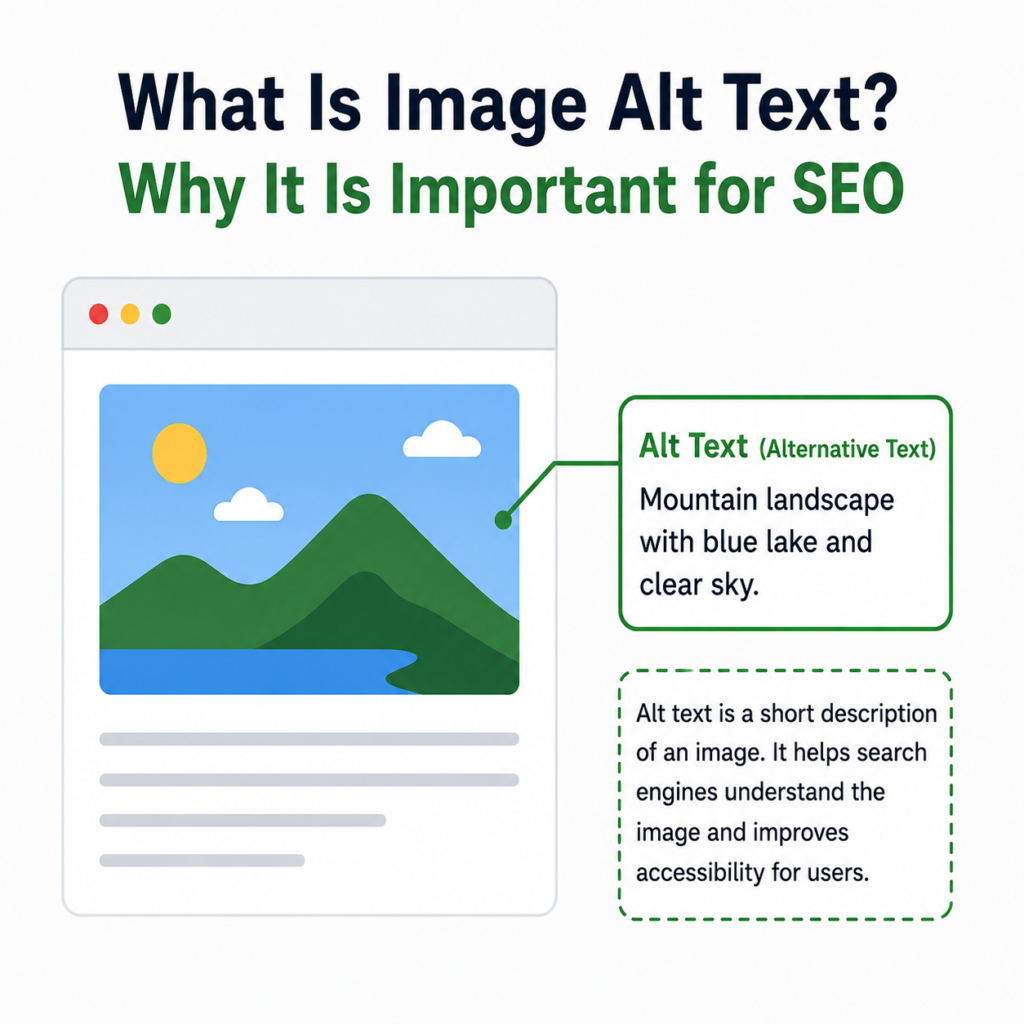
What Is Image Alt Text? Why It Is Important for SEO
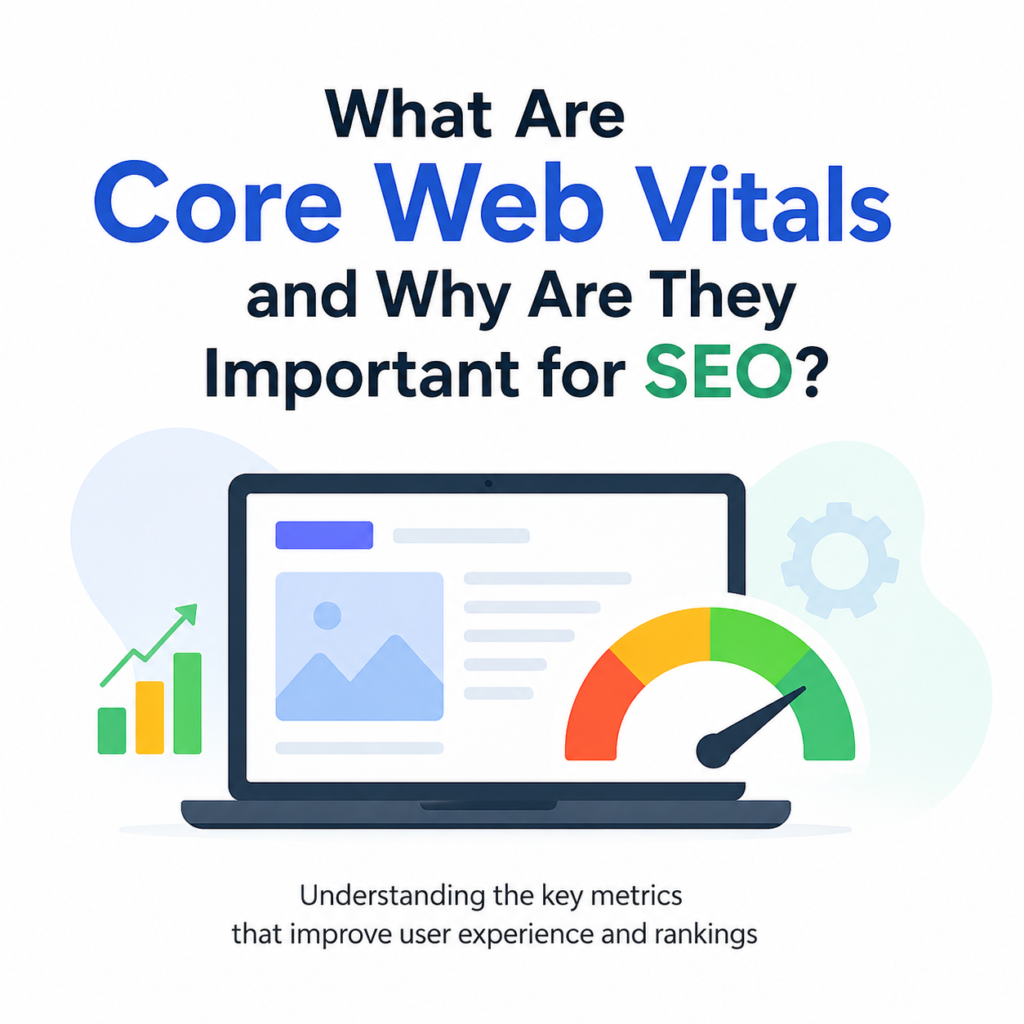
What Are Core Web Vitals and Why Are They Important for SEO?
Core Web Vitals are Google’s key performance metrics that measure loading speed, responsiveness, and visual stability. This beginner-friendly guide explains LCP, INP, and CLS in simple language, why they matter for SEO, and how they affect user experience.
Does an Image Size Over 100 KB Matter for On-Page SEO?
Does having images larger than 100 KB hurt your SEO? Many beginners wonder if there is a fixed image size limit for websites. In this guide, you’ll learn why image size matters, how it affects page speed and user experience, and whether images over 100 KB are really bad for on-page SEO. You’ll also discover the ideal image sizes, the best image formats, and simple ways to optimize images without reducing quality. If you’re new to SEO and want to understand image optimization in easy language, this guide will help you get started.
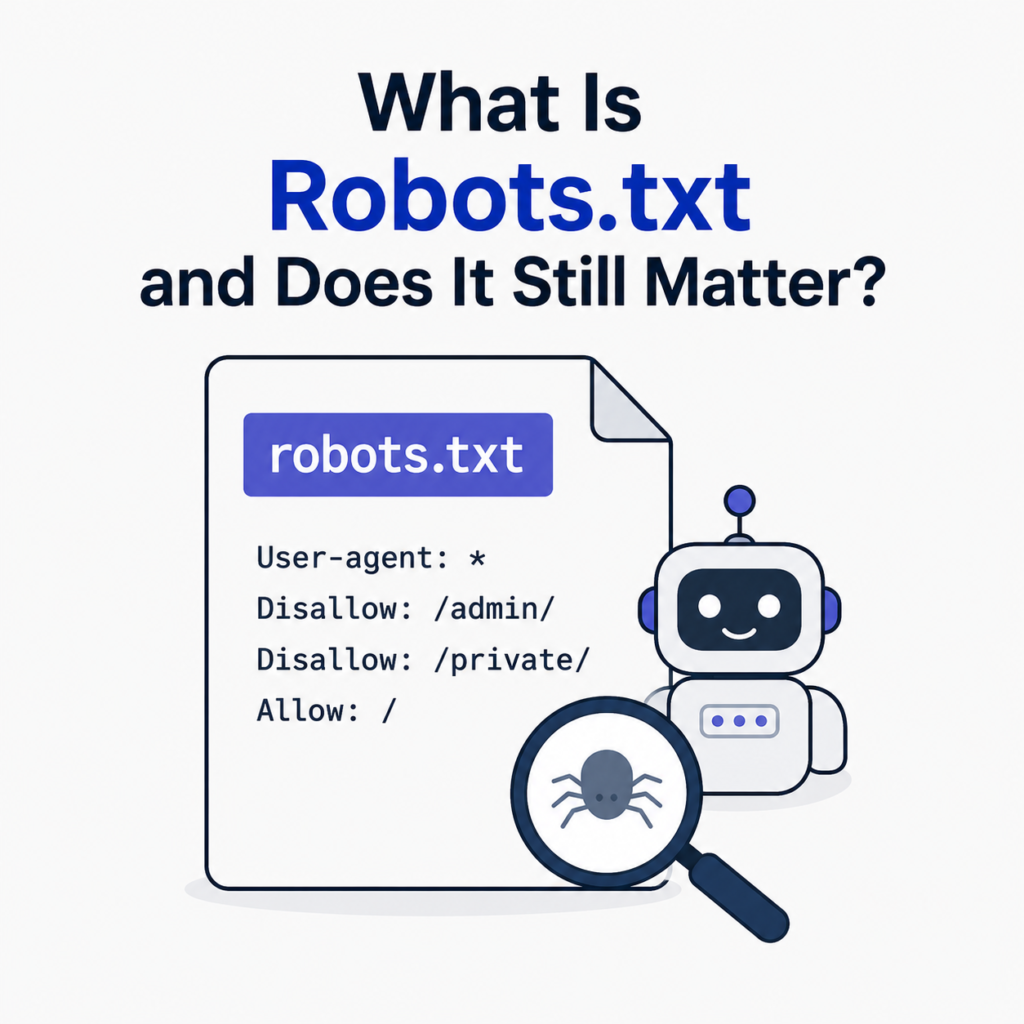
What Is Robots.txt and Does It Still Matter for SEO?
Confused about robots.txt and wondering whether it still matters for SEO? In this beginner-friendly guide, you’ll learn what a robots.txt file is, how it works, and why website owners use it. Discover the purpose of robots.txt, whether it really works, its limitations, and how it helps search engines crawl your site more efficiently. If you’re new to SEO, this simple guide will help you understand everything you need to know about robots.txt.
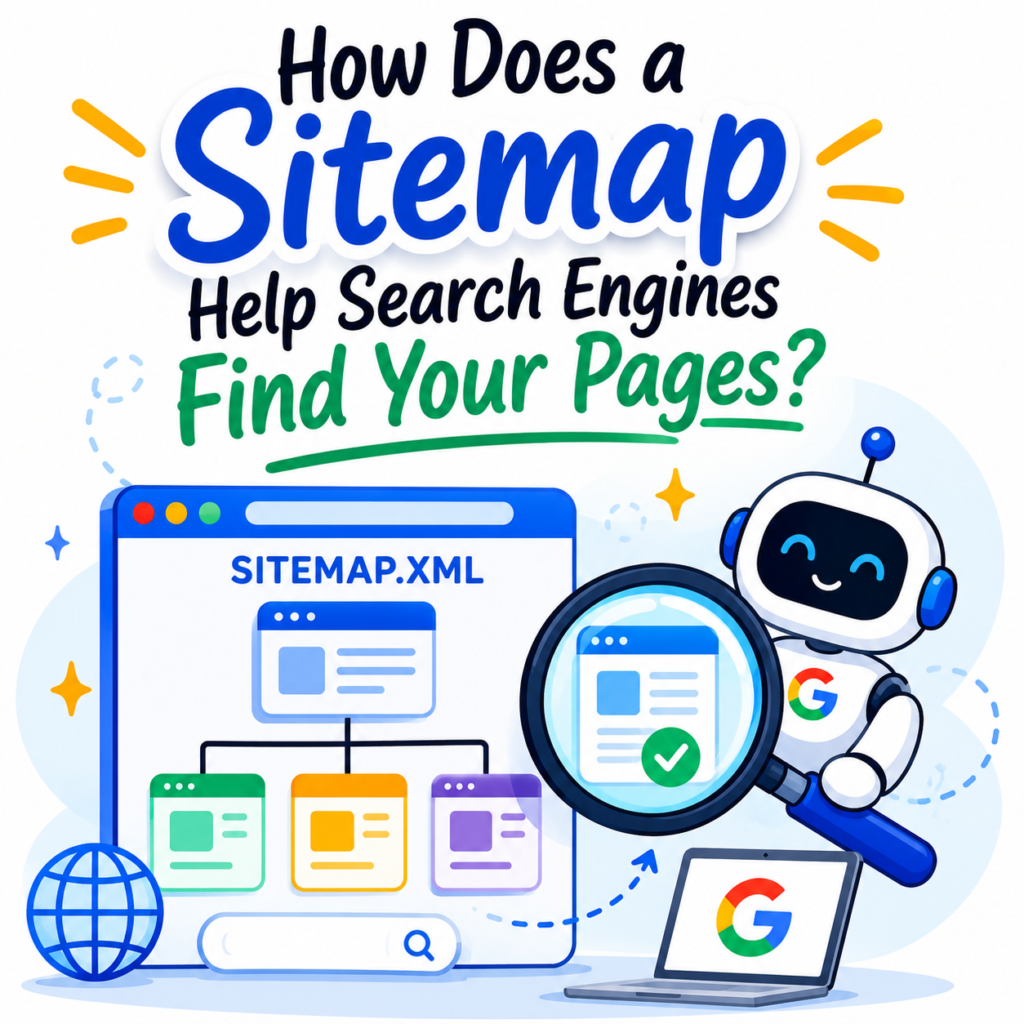
How Does a Sitemap Help Search Engines Find Your Pages?
How search engines find your website pages? A sitemap acts like a roadmap that helps Google and other search engines discover and index your content more efficiently. In this beginner-friendly guide, you’ll learn what a sitemap is, the difference between XML and HTML sitemaps, why they matter for SEO, and how they help search engines find important pages faster.
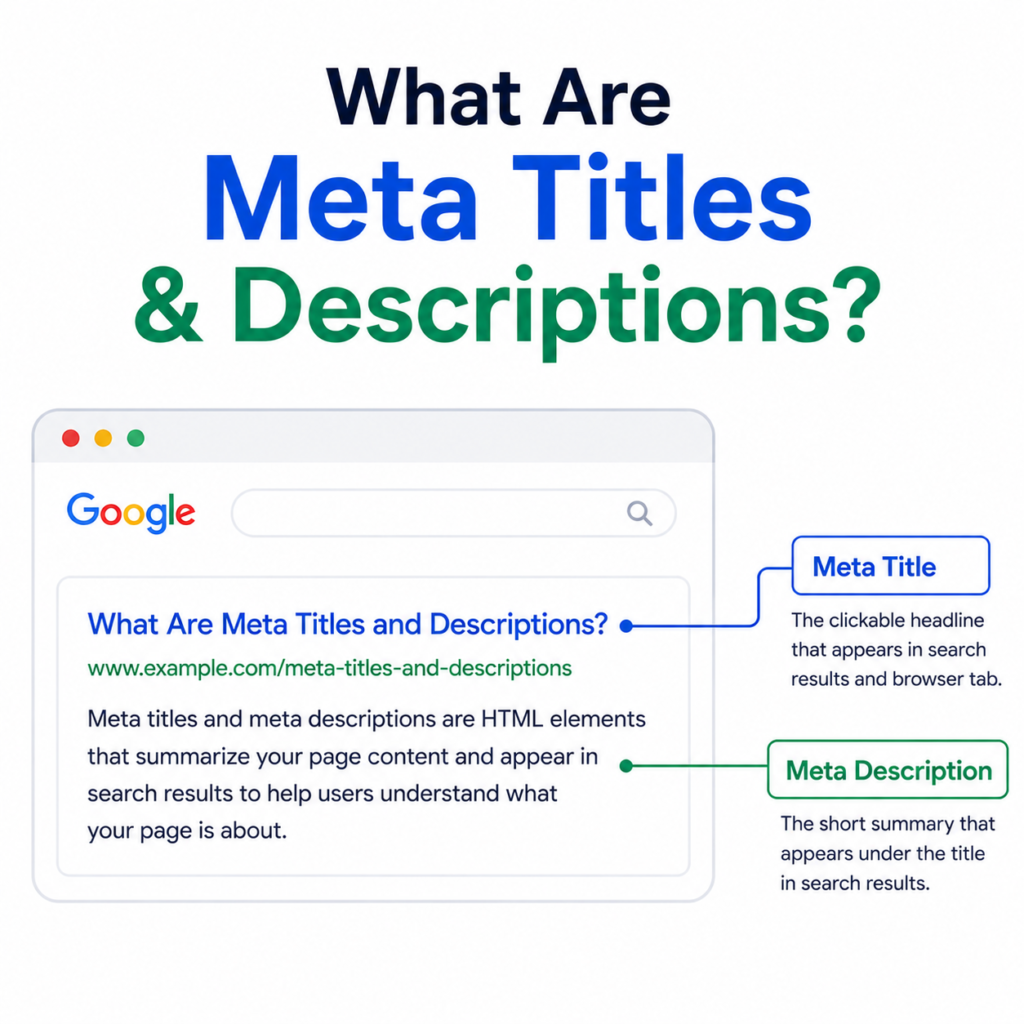
What Are Meta Titles and Meta Descriptions? Easy SEO Guide
Meta titles and meta descriptions are important SEO elements that help search engines and users understand what a webpage is about. The meta title appears as the clickable headline in search results, while the meta description provides a brief summary of the page content. Writing clear, keyword-rich, and engaging meta tags can improve visibility, increase click-through rates, and drive more traffic to your website.
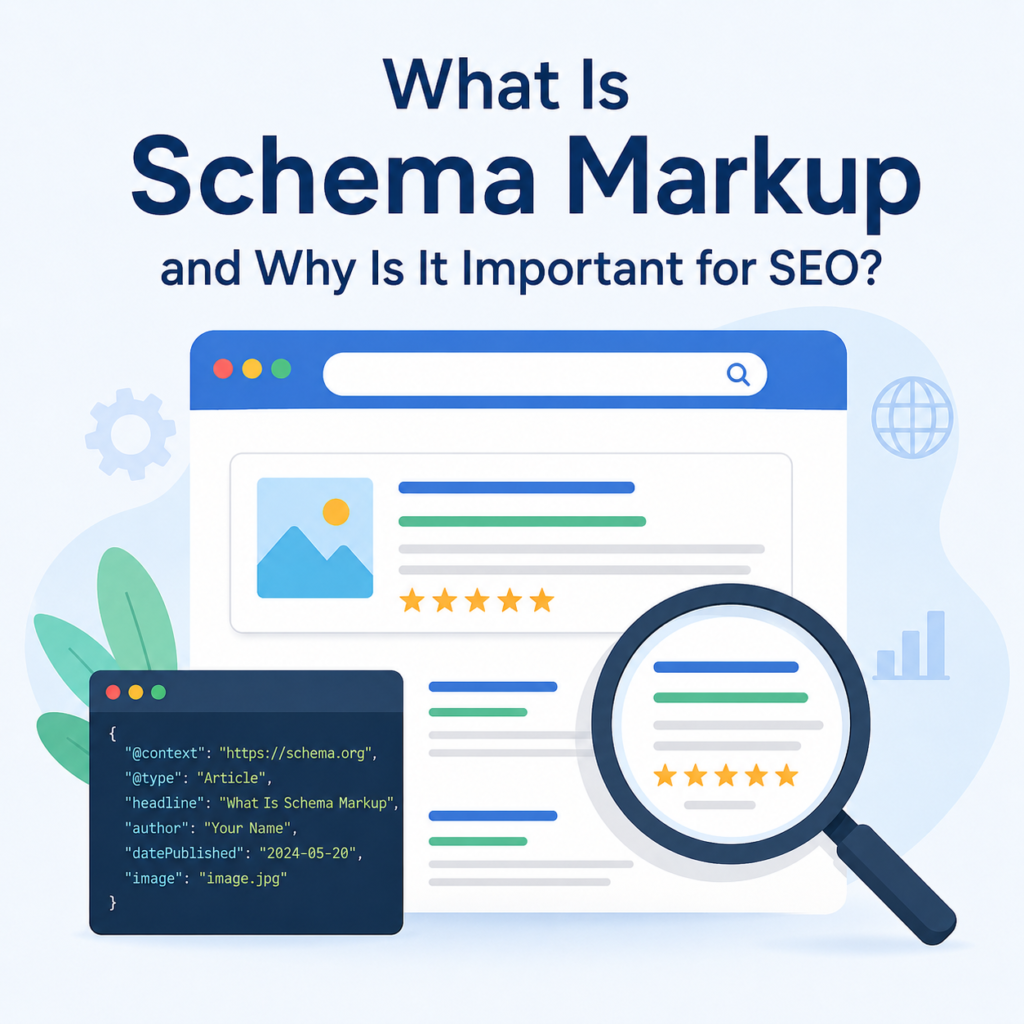
What Is Schema Markup and Why Is It Important for SEO?
Schema markup is a type of structured data that helps search engines understand your website content better. This simple guide explains what schema markup is, how it works, and why it is important for improving SEO and getting rich results on Google.
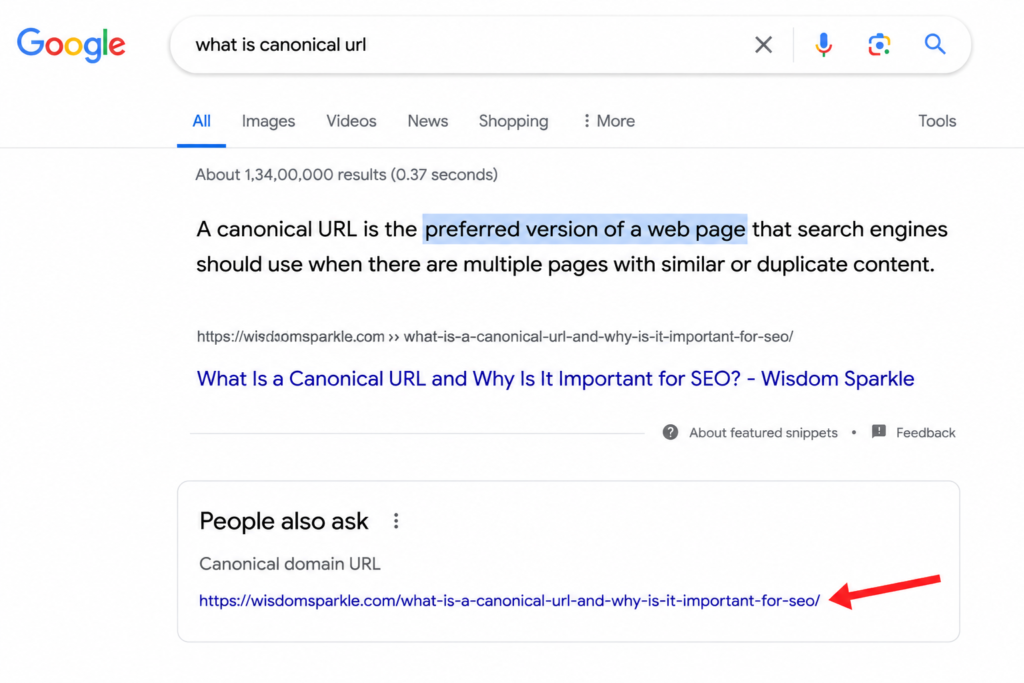
What Is a Canonical URL and Why Is It Important for SEO?
A canonical URL tells search engines which version of a webpage should be treated as the main one. This guide explains what canonical URLs are, why they matter for SEO, and how to use them correctly to avoid duplicate content and improve search rankings.
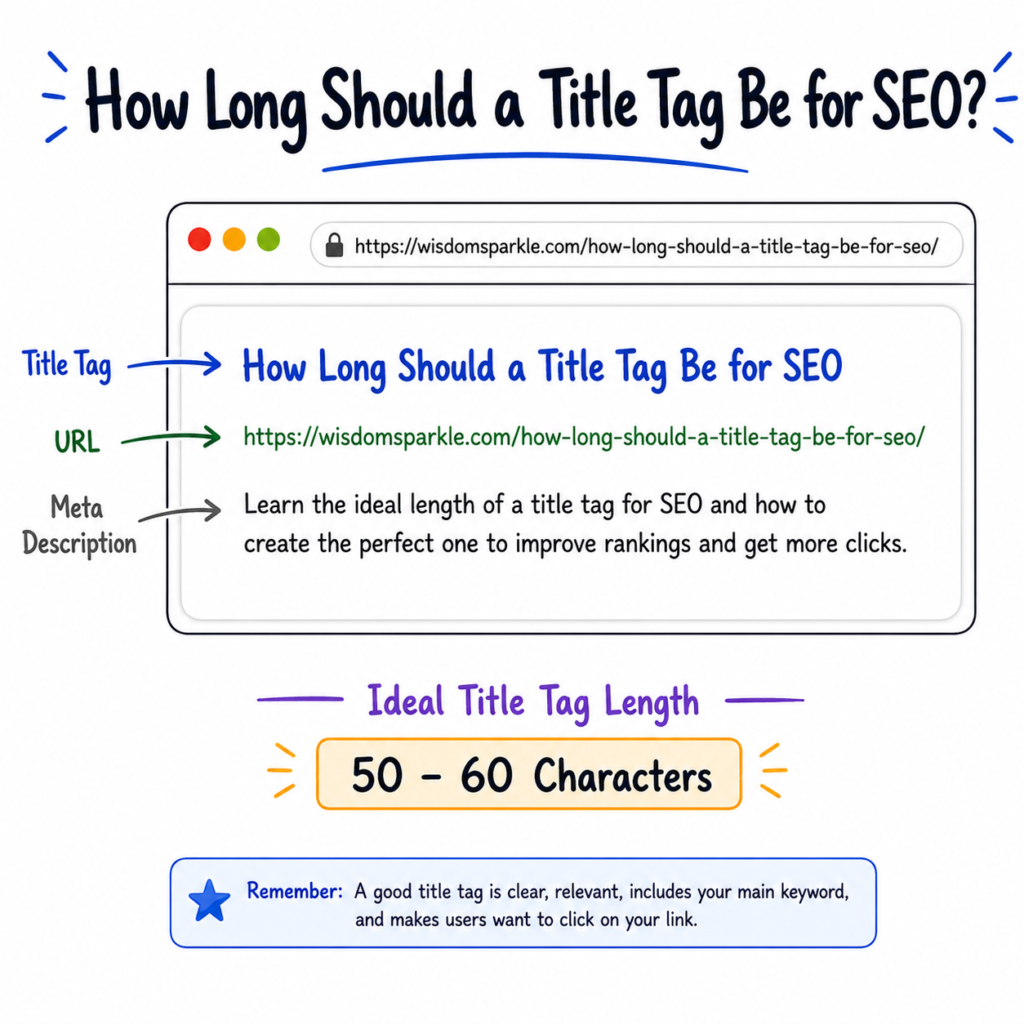
How Long Should a Title Tag Be for SEO? Easy Guide
A beginner-friendly guide that explains how long a title tag should be for SEO and why it matters for search engine rankings. Learn simple and practical steps to create effective title tags, avoid common mistakes, use keywords correctly, and write titles that attract more clicks. This guide will help website owners, bloggers, and beginners improve their on-page SEO and increase website traffic with well-optimized title tags.
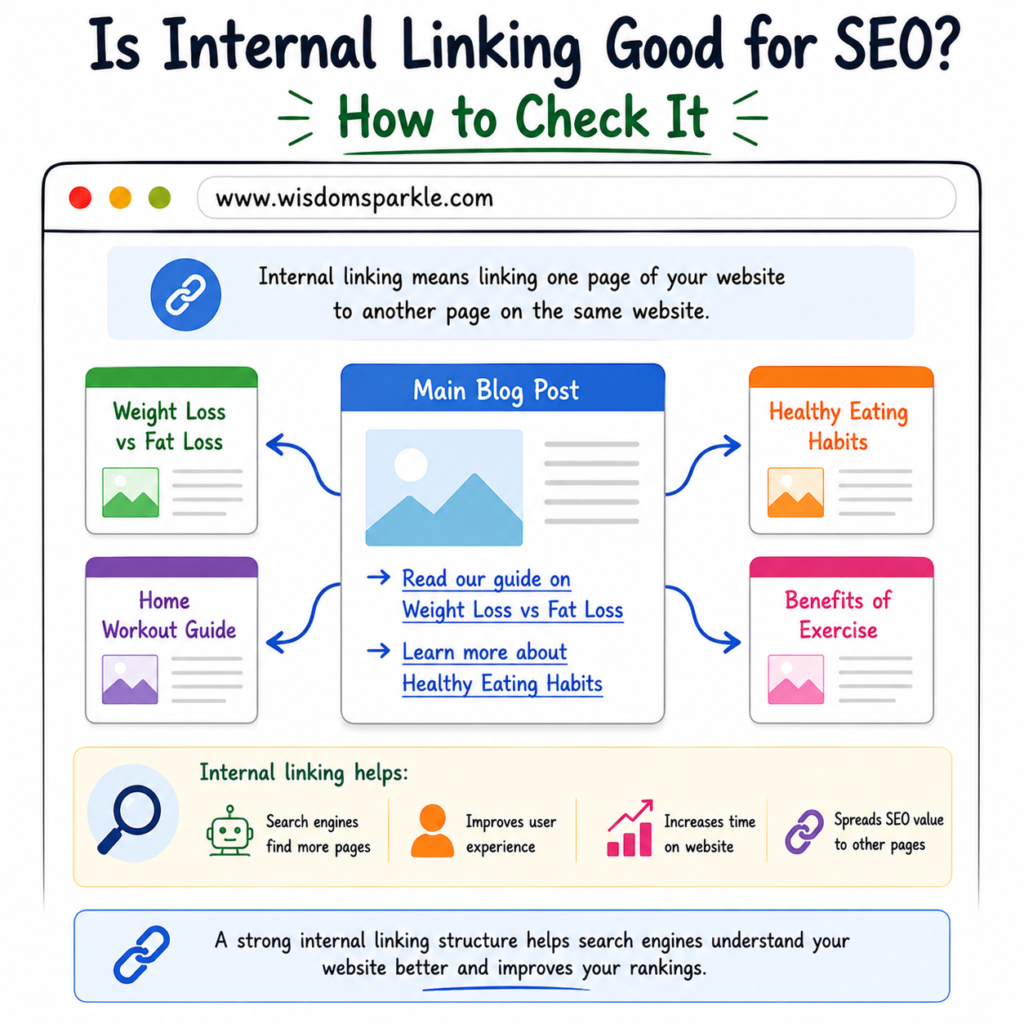
Is Internal Linking Good for SEO? How to Check and Improve It
A beginner-friendly guide that explains the benefits of internal linking for SEO, how to check your website’s internal links, and easy steps to create a strong internal linking strategy that improves user experience and search engine rankings.
Do External Links Help SEO? Here’s the Real Answer
External linking is an important part of SEO that helps improve your website’s credibility, user experience, and content quality. In this beginner-friendly guide, you’ll learn what external linking is, whether it helps SEO, why it matters, and how to add external links correctly. You’ll also discover best practices, common mistakes to avoid, and simple examples that will help you use external links effectively to create more useful and trustworthy content.
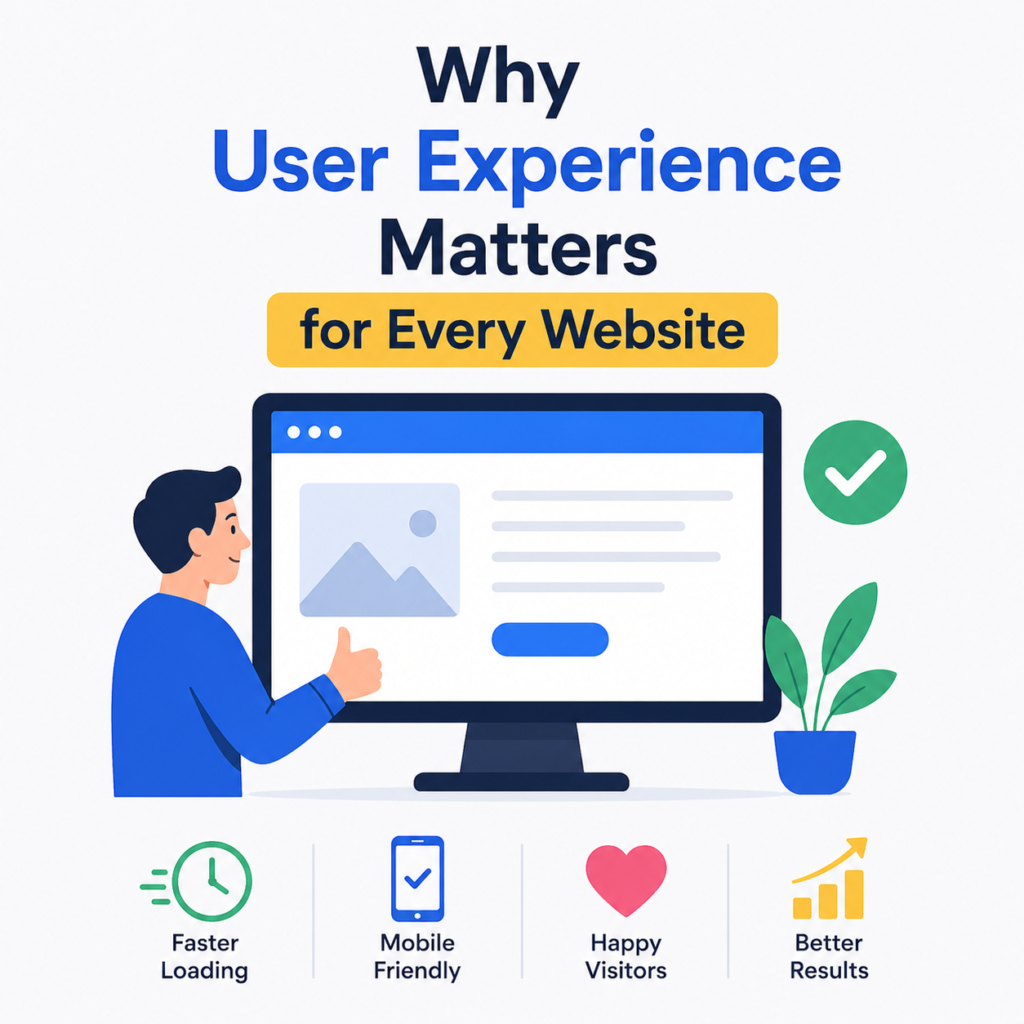
Why User Experience Matters for Every Website
User experience (UX) plays a key role in the success of any website. This beginner-friendly guide explains why UX matters, how it affects SEO and visitor engagement, and simple ways to create a website that is easy to use, trustworthy, and enjoyable for every visitor.
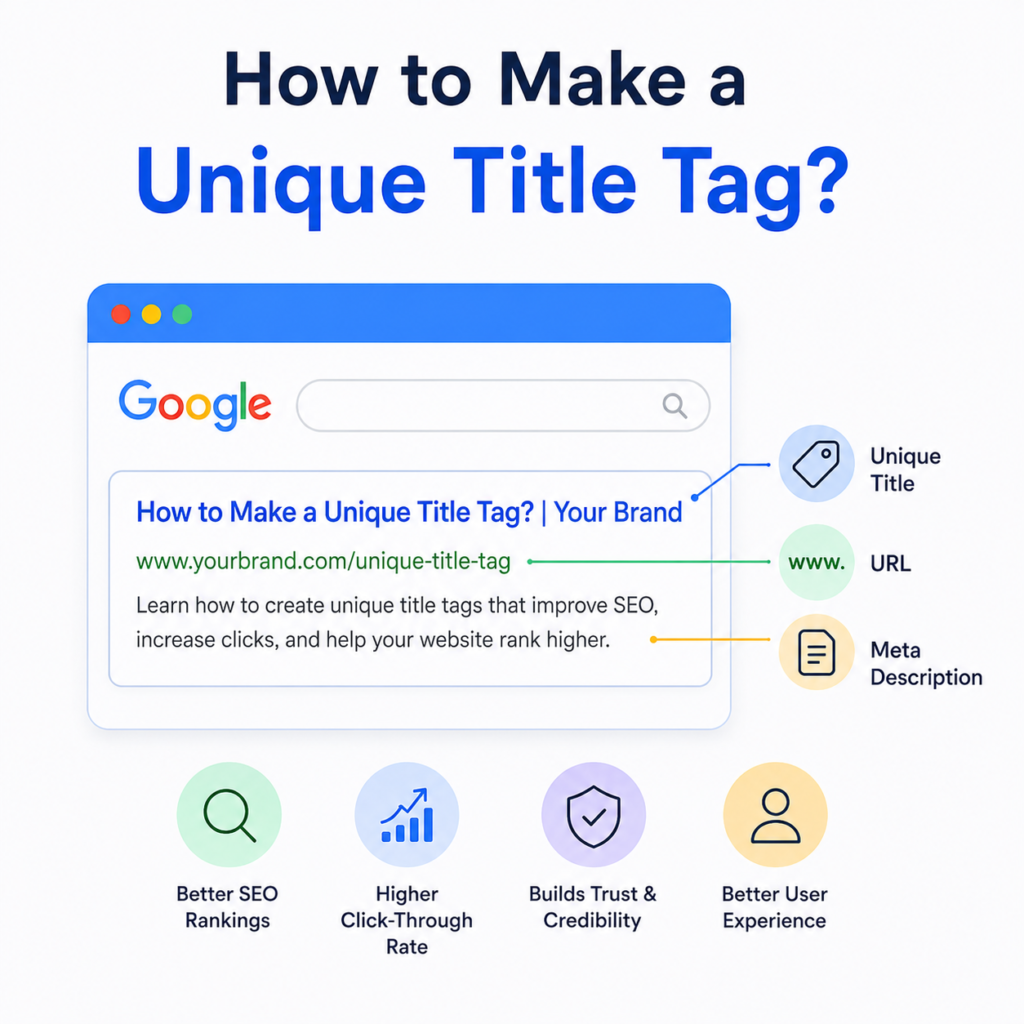
How to Make a Unique Title Tag? | Wisdom Sparkle
Creating a unique title tag is essential for improving SEO and attracting more clicks from search results. This beginner-friendly guide explains why unique title tags matter, how to write them correctly, and shares simple, high-performing templates for product pages, local business pages, and blog posts to help every page on your website stand out.
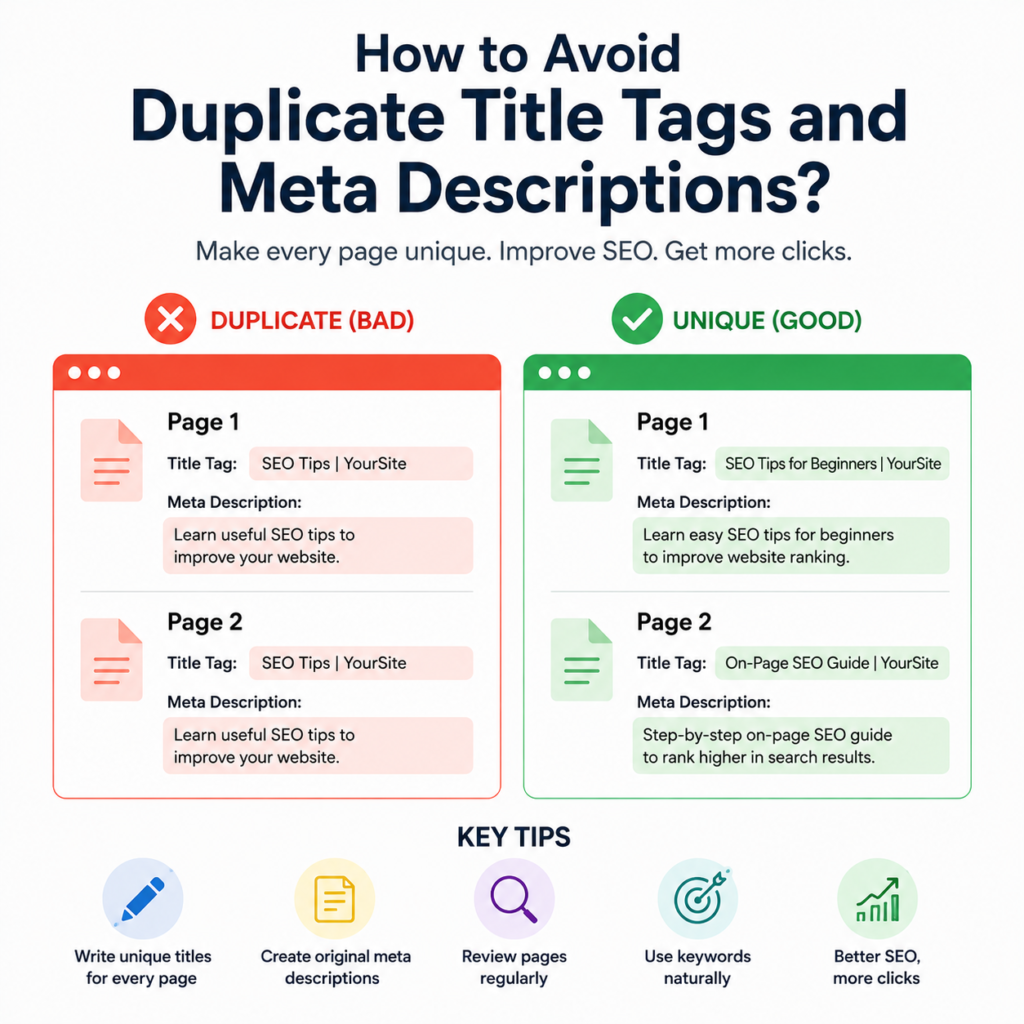
How to Avoid Duplicate Title Tags and Meta Descriptions
Duplicate title tags and meta descriptions can confuse search engines and affect your website’s SEO. This beginner-friendly guide explains how to prevent duplicate metadata, fix existing issues, and write unique, SEO-friendly titles and descriptions that improve search visibility and user experience.
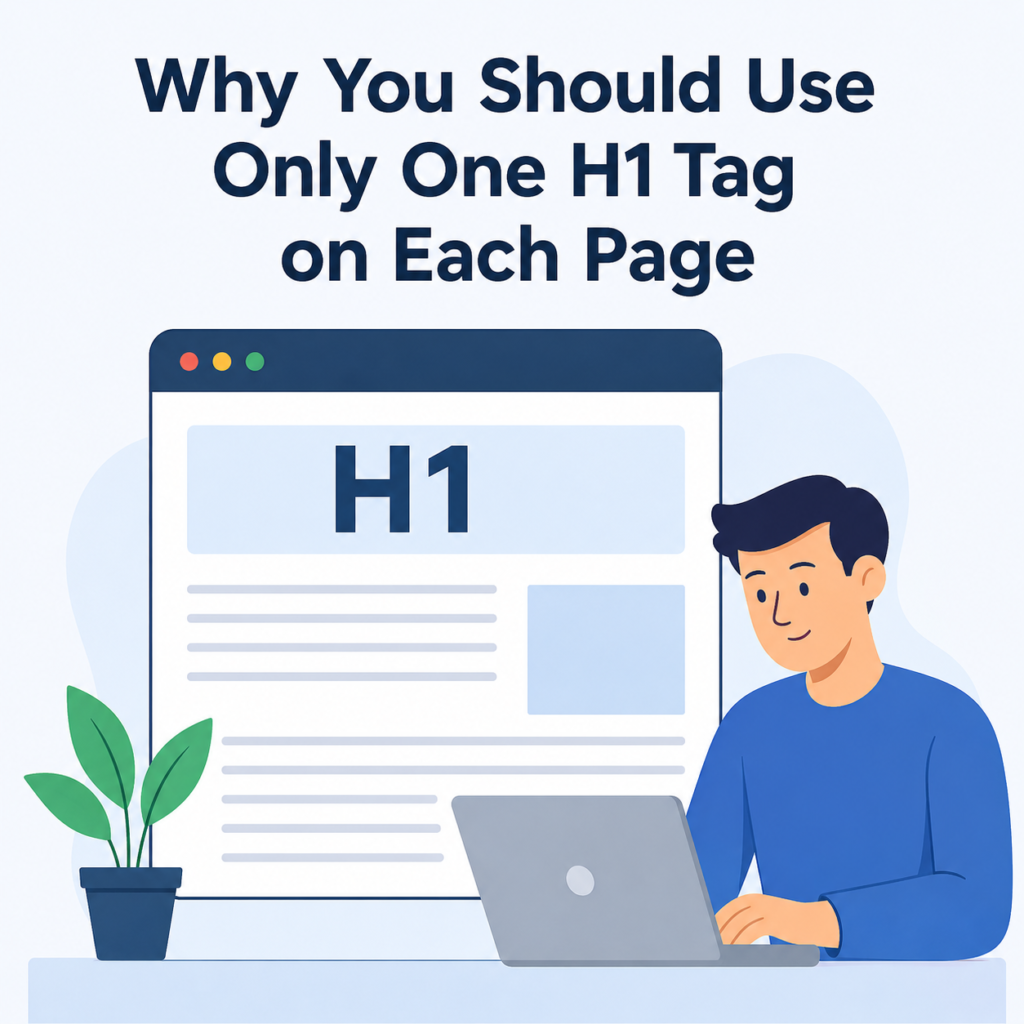
Why You Should Use Only One H1 Tag on Each Page
Learn why using only one H1 tag on each page is important for both SEO and user experience. In this simple and easy-to-understand guide, you’ll discover what an H1 tag is, why it matters, common mistakes to avoid, how to fix multiple H1 tags, and the best practices to keep your website well-structured and search engine friendly.
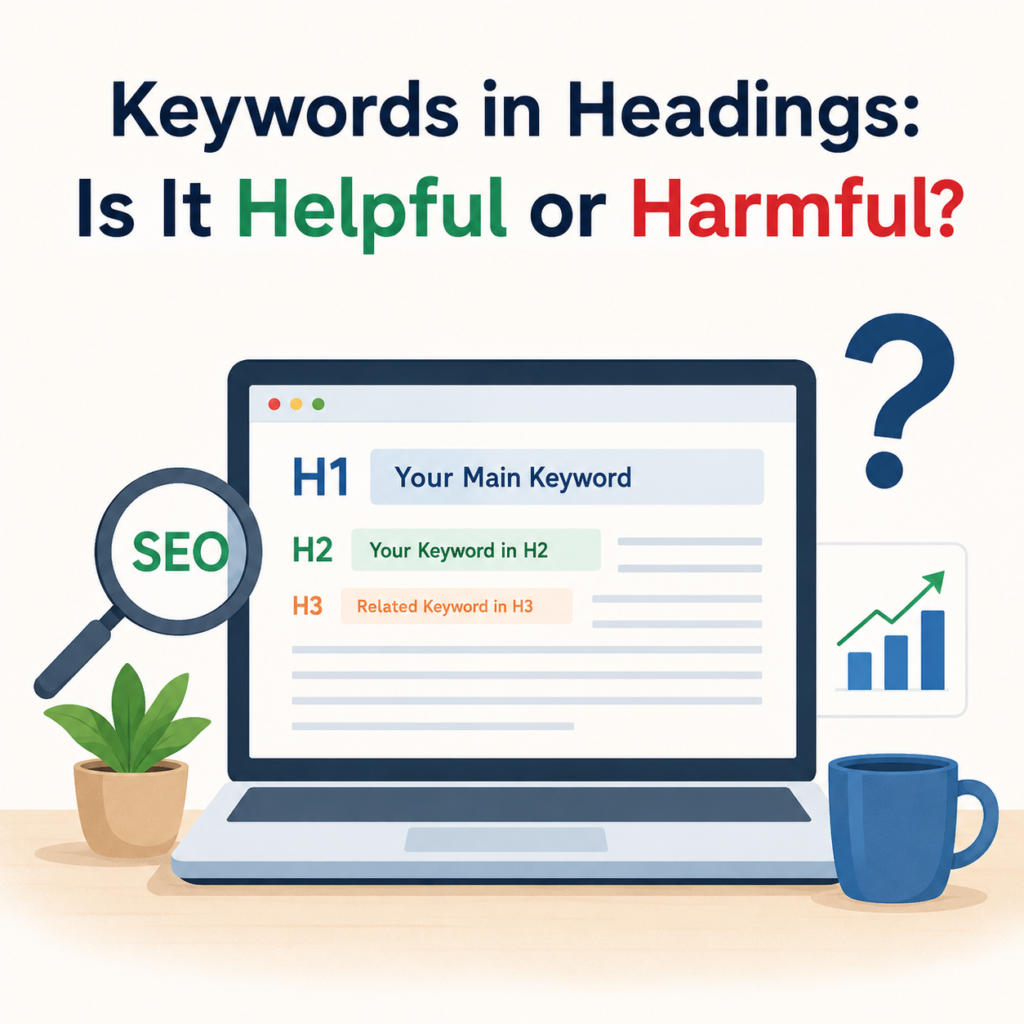
Keywords in Headings: Is It Helpful or Harmful for SEO?
Are your keywords not ranking on Google? You may be wondering whether adding keywords to your headings can help improve your SEO. The answer is yes—but only when they are used naturally. In this blog, you’ll learn how keywords in H1, H2, and H3 headings help search engines understand your content, whether they can improve rankings, common mistakes to avoid, and the best practices for using keywords without keyword stuffing.
What Are the Benefits of Adding Primary Keywords to Your Content?
Primary keywords play an important role in SEO by helping search engines understand your content and connect it with the right audience. In this blog, you’ll learn why primary keywords matter, how they improve your rankings, and the best way to use them naturally for better search visibility.
Does Keyword Density Still Matter for SEO in 2026?
Keyword density is still a part of SEO, but it is no longer the most important ranking factor. In this blog, you’ll learn how keyword density works in 2026, why keyword stuffing should be avoided, and how to use keywords naturally to create helpful content that ranks better in search results.
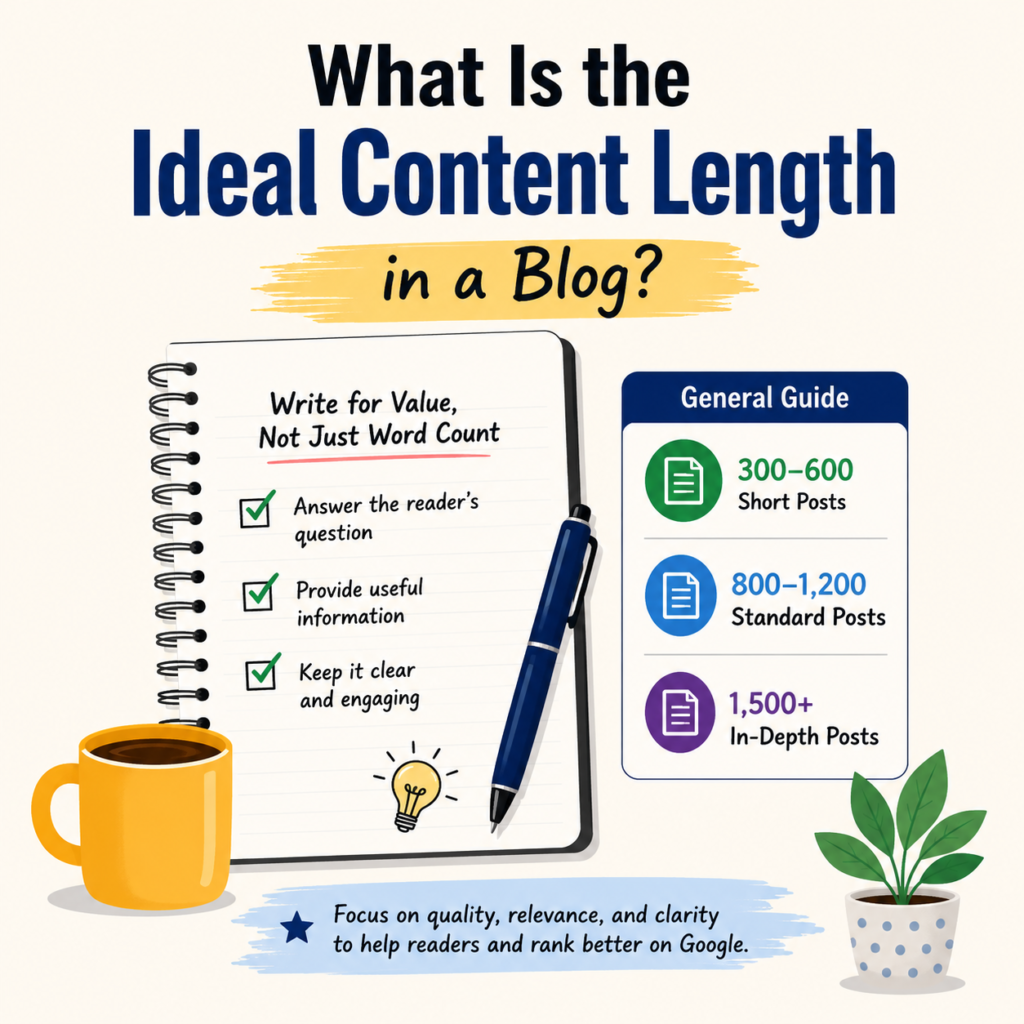
What Is the Ideal Content Length in a Blog?
Learn how to determine the ideal blog length for your content. This guide breaks down word count choices based on your topic, audience, and SEO goals so you can create useful posts that rank well and keep readers engaged.
Why Readability Matters for Every Website
Readability plays a key role in the success of any website. This guide explains why easy-to-read content is important, how it improves user experience and SEO, and simple ways to make your website content clear, engaging, and easy for everyone to understand.
How to Keep Your Website Content Fresh and Up to Date
Keeping your website content fresh is important for both readers and search engines. Regularly updating outdated statistics, dates, links, and information helps improve user experience, builds trust, and can boost your SEO rankings. This guide explains simple ways to keep your website content current and valuable.
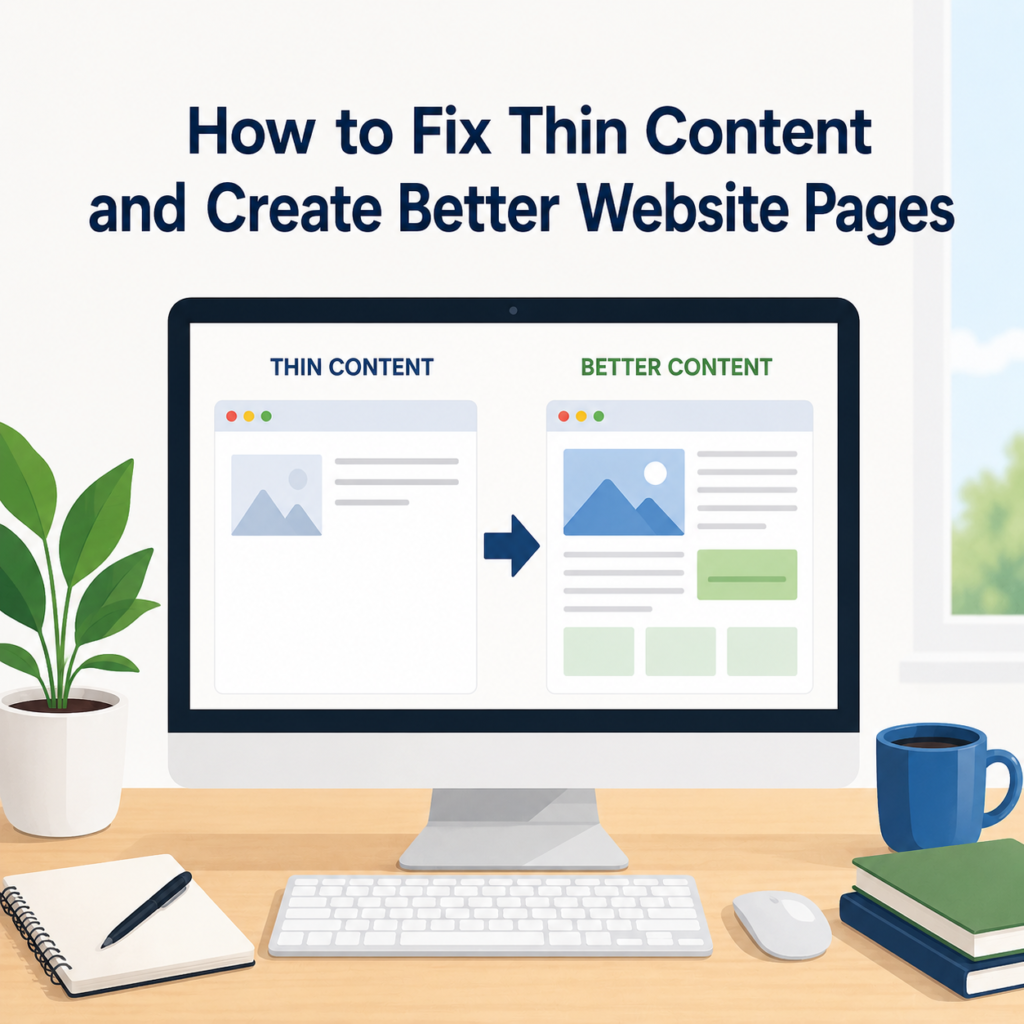
How to Fix Thin Content and Create Better Website Pages
Thin content can reduce your website’s visibility and make it harder to rank in search results. This guide explains how to improve weak pages, create valuable content, check for duplicate content using plagiarism and SEO tools, and build a website that offers a better experience for both readers and search engines.
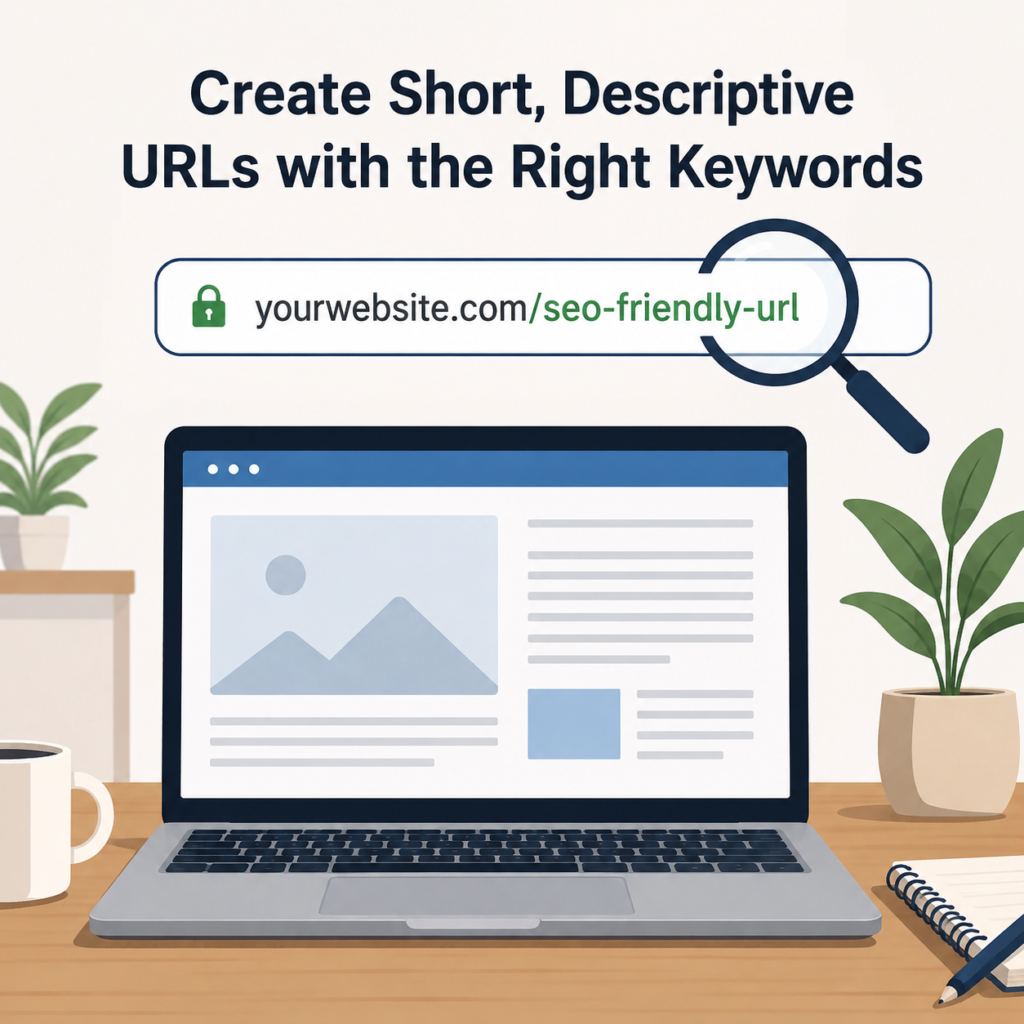
How to Create Short, Descriptive URLs with the Right Keywords
A well-structured URL is an important part of SEO. In this guide, you’ll learn how to create short, descriptive URLs that include the right keywords, improve user experience, and help search engines better understand your content.
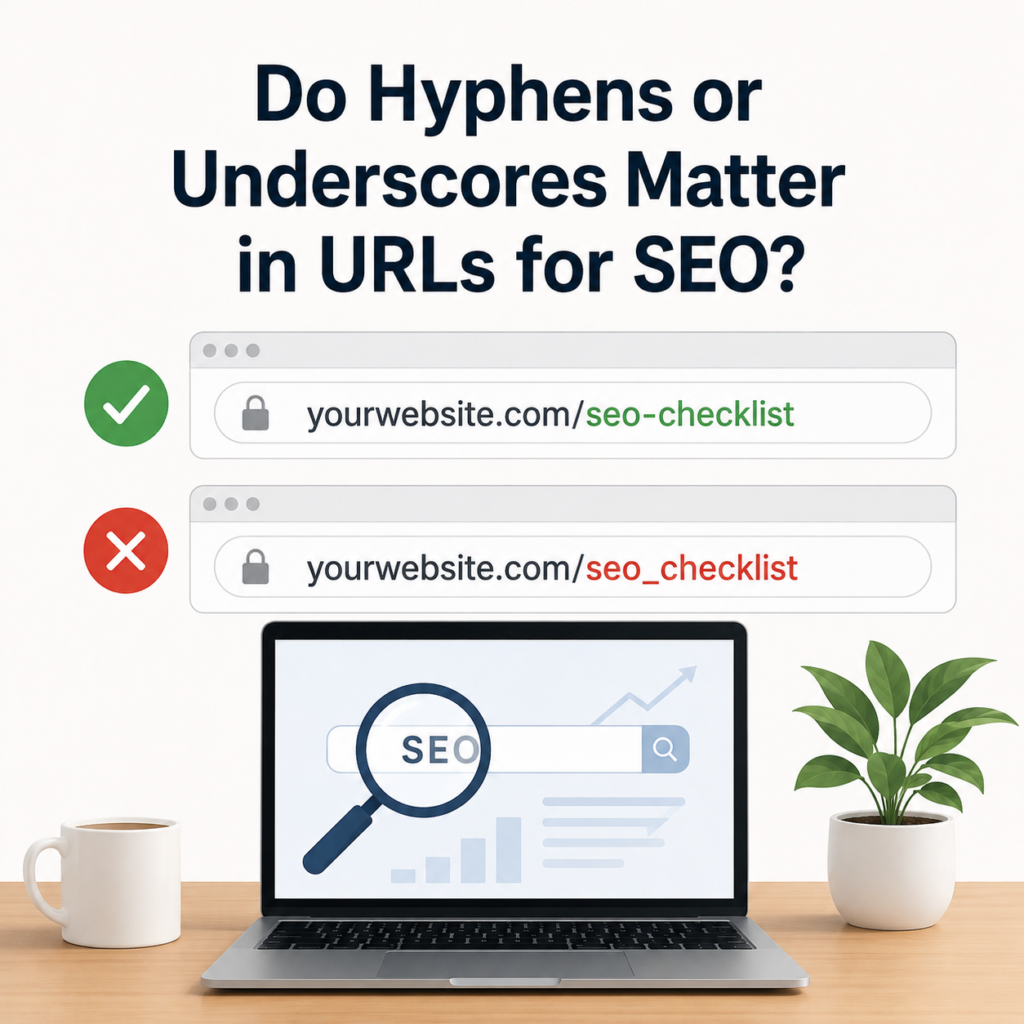
Do Hyphens or Underscores Matter in URLs for SEO?
Using the right URL format can make your website easier to understand for both users and search engines. This guide explains the difference between hyphens and underscores, whether they affect SEO, and why hyphens are the recommended choice for creating clean, SEO-friendly URLs.
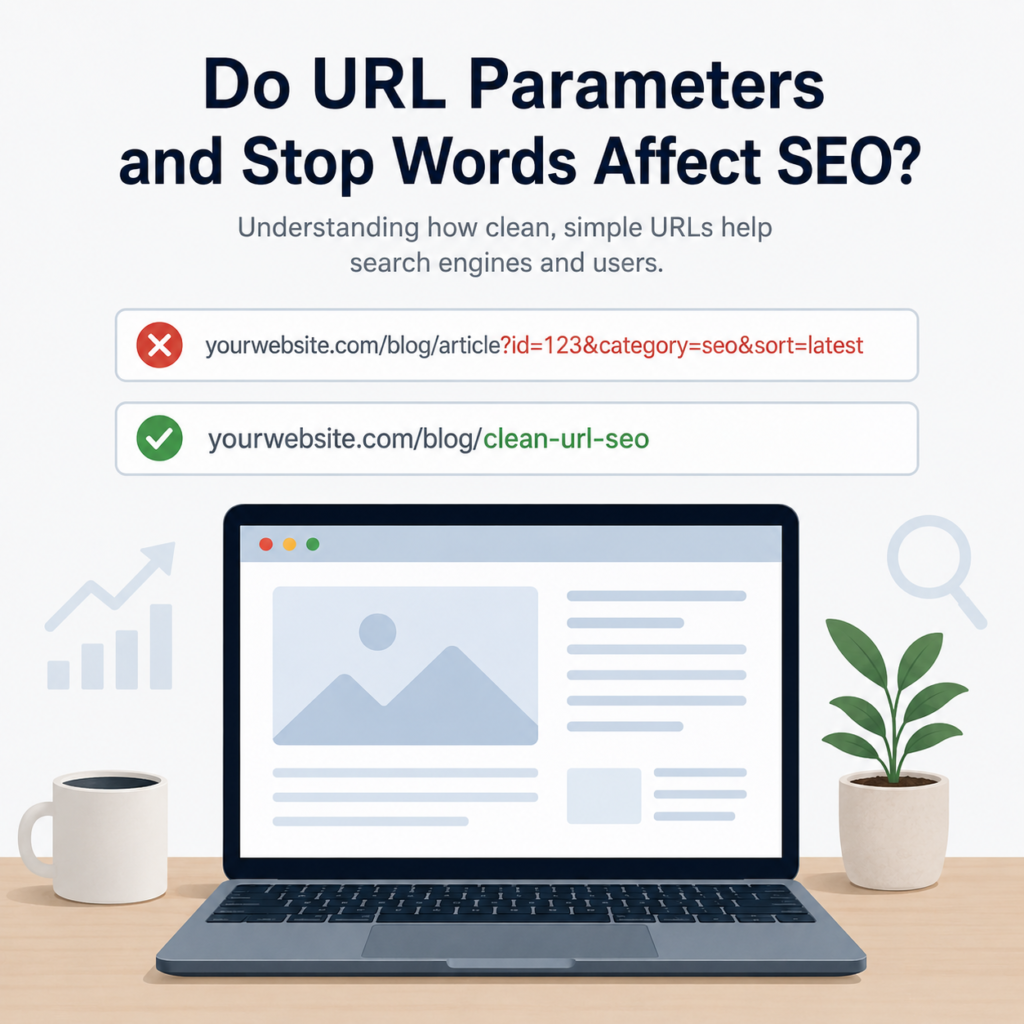
Do URL Parameters and Stop Words Affect SEO?
URL parameters and stop words can affect how clean and easy your website URLs are. In this beginner-friendly guide, you’ll learn what they are, when they matter for SEO, and how to create simple, descriptive URLs that are easier for both search engines and visitors to understand.
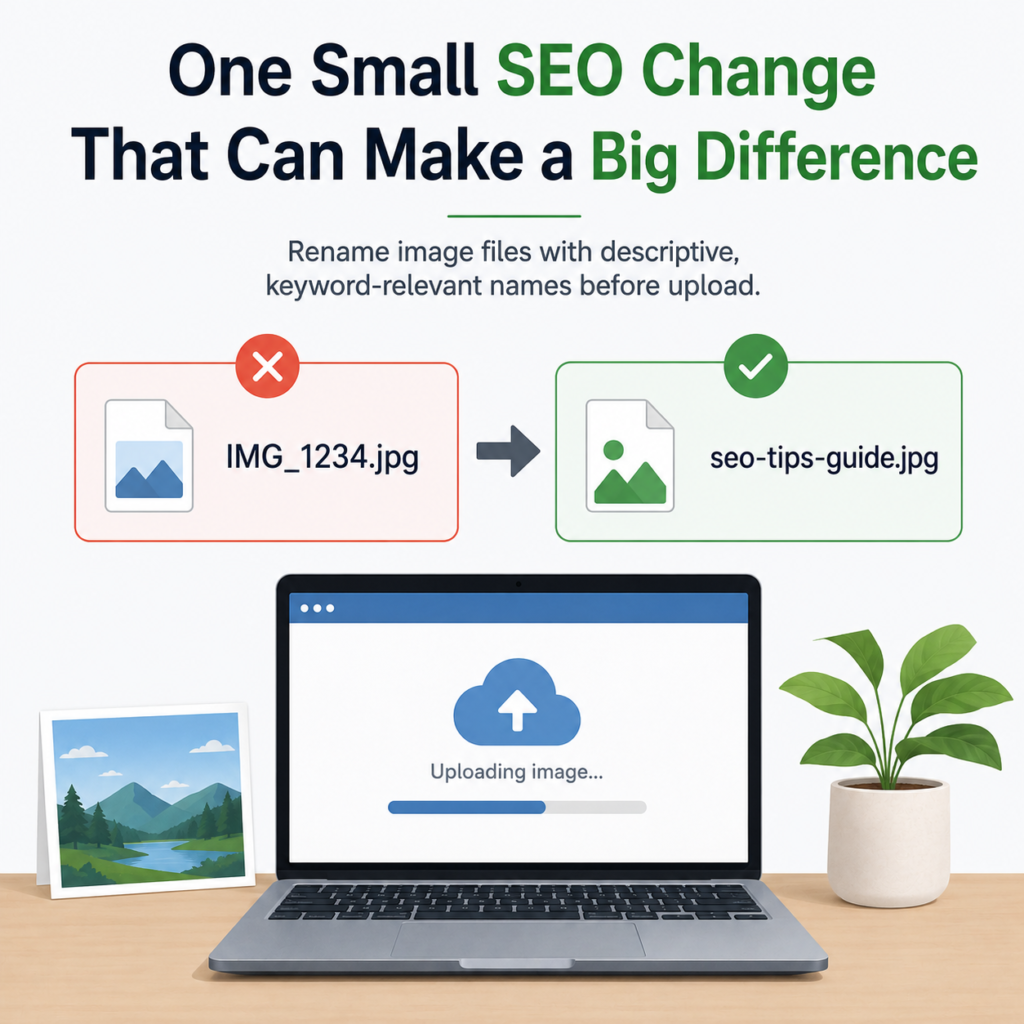
One Small SEO Change That Can Make a Big Difference
Renaming image files before uploading is a simple SEO practice that many website owners overlook. This guide explains why descriptive, keyword-relevant file names matter, how they help search engines understand your content, and how this small change can support better website optimization.
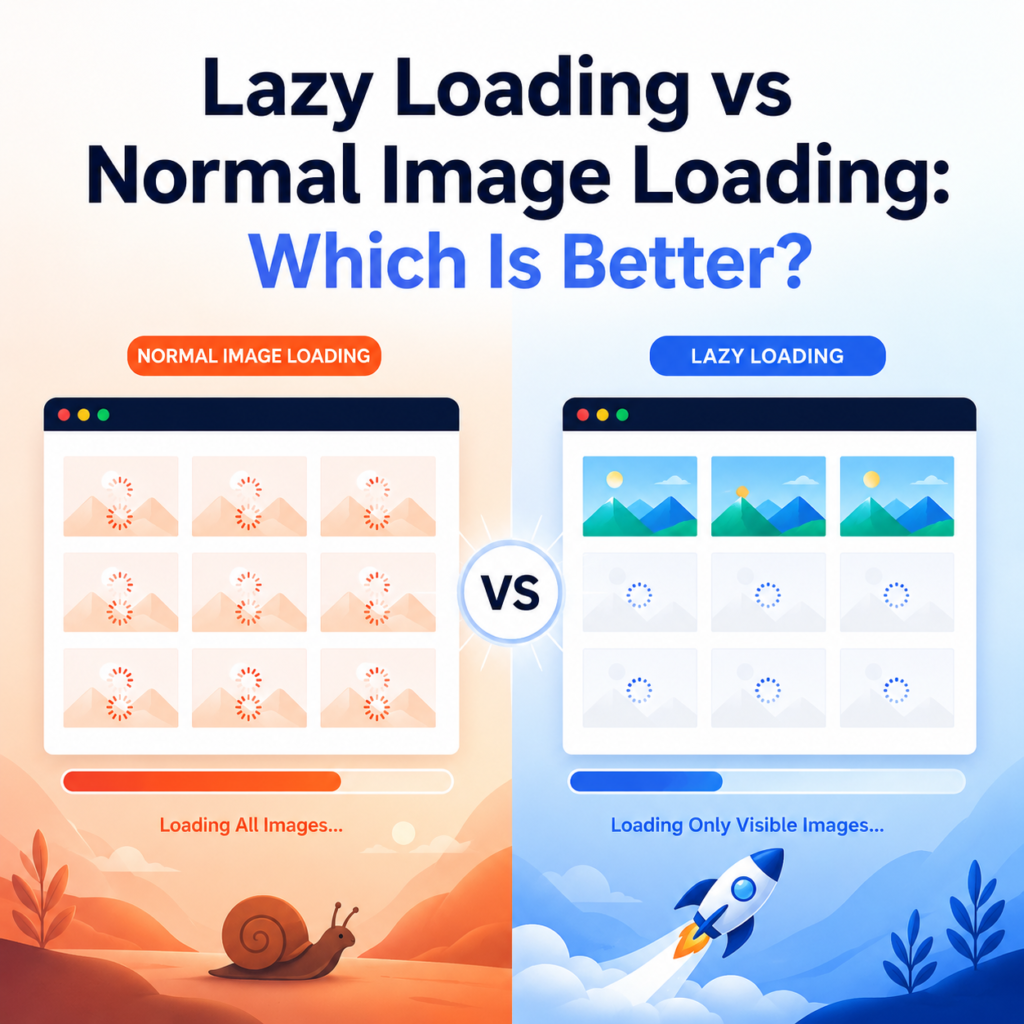
Lazy Loading vs Normal Image Loading: Which Is Better?
Confused between lazy loading and normal image loading? This guide explains how both methods work, their advantages, and why lazy loading is often the better choice for improving website speed, user experience, and SEO.
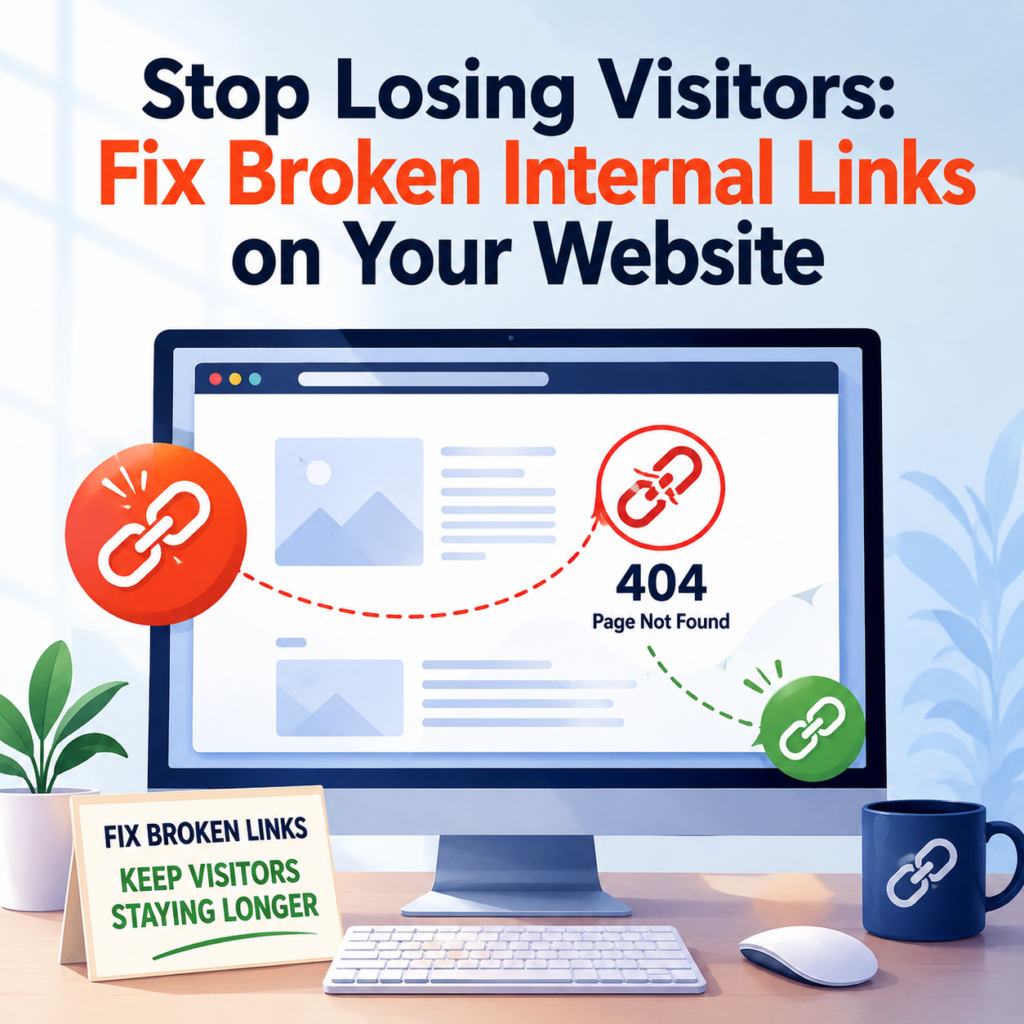
Stop Losing Visitors: Fix Broken Internal Links on Your Website
Broken internal links can frustrate visitors and hurt your website’s SEO. This simple guide explains what broken links are, why they matter, and how to find and fix them to create a better user experience and keep your website running smoothly.
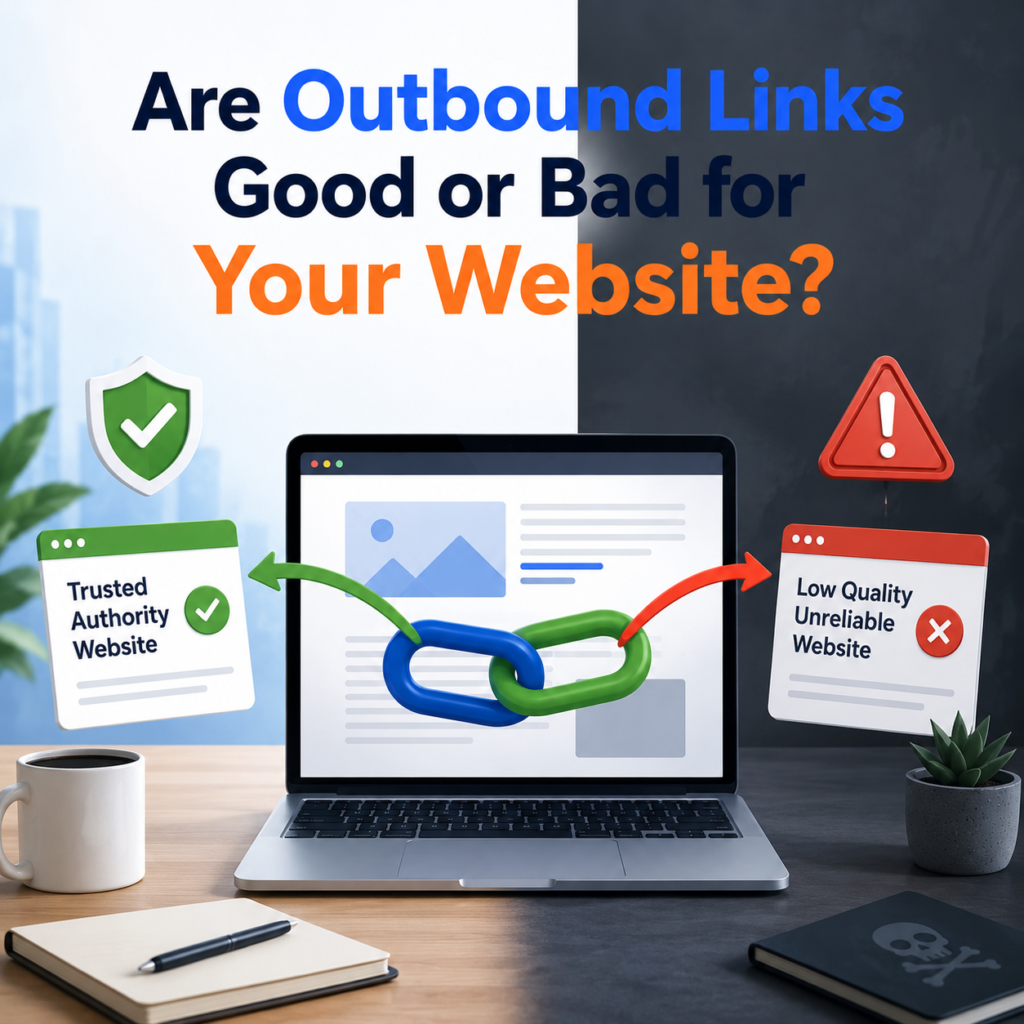
Are Outbound Links Good or Bad for Your Website?
Are outbound links good or bad for your website? This simple guide explains what outbound links are, why linking to credible and authoritative sources matters, and how using them correctly can improve your website’s SEO, trust, and overall user experience.
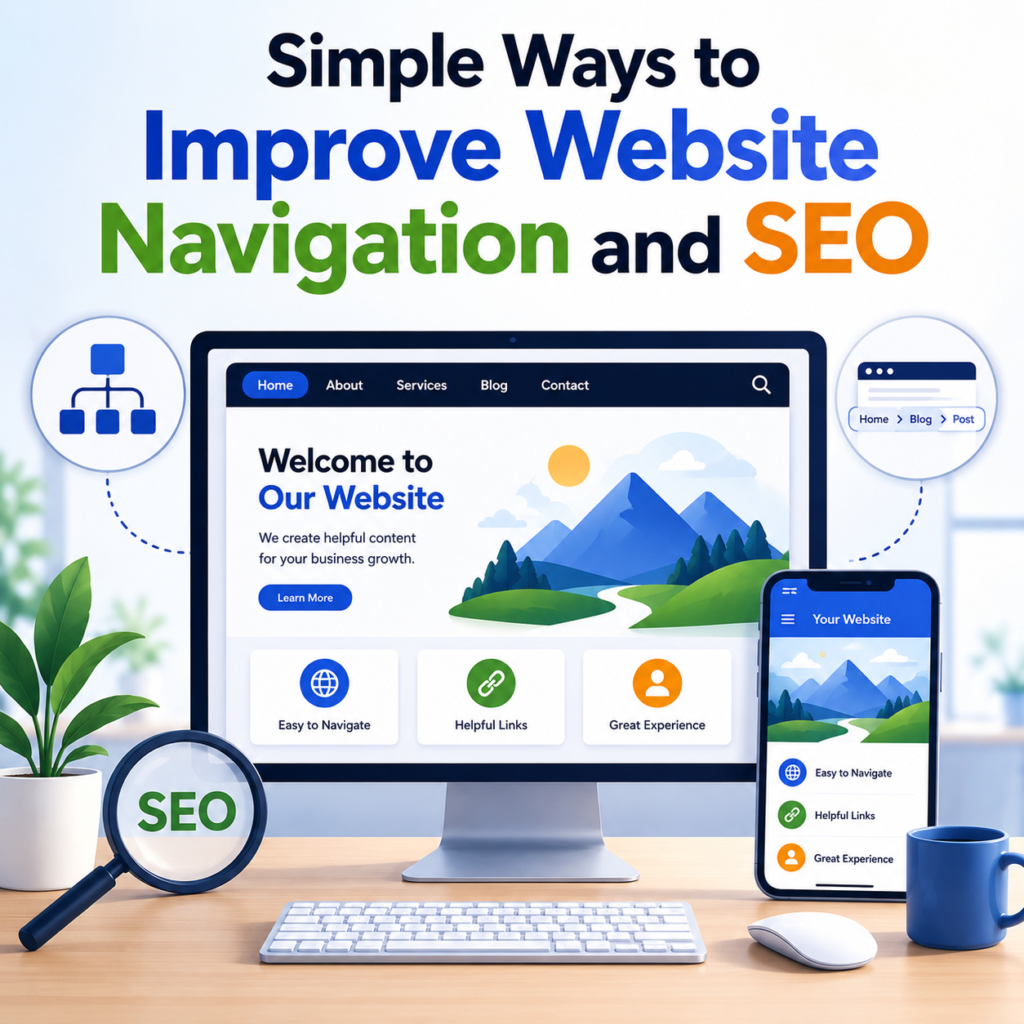
Simple Ways to Improve Website Navigation and SEO
A well-organized website helps visitors find information quickly and improves SEO. This easy guide explains how to create better website navigation using clear menus, internal links, logical site structure, and breadcrumb navigation for a smoother user experience.
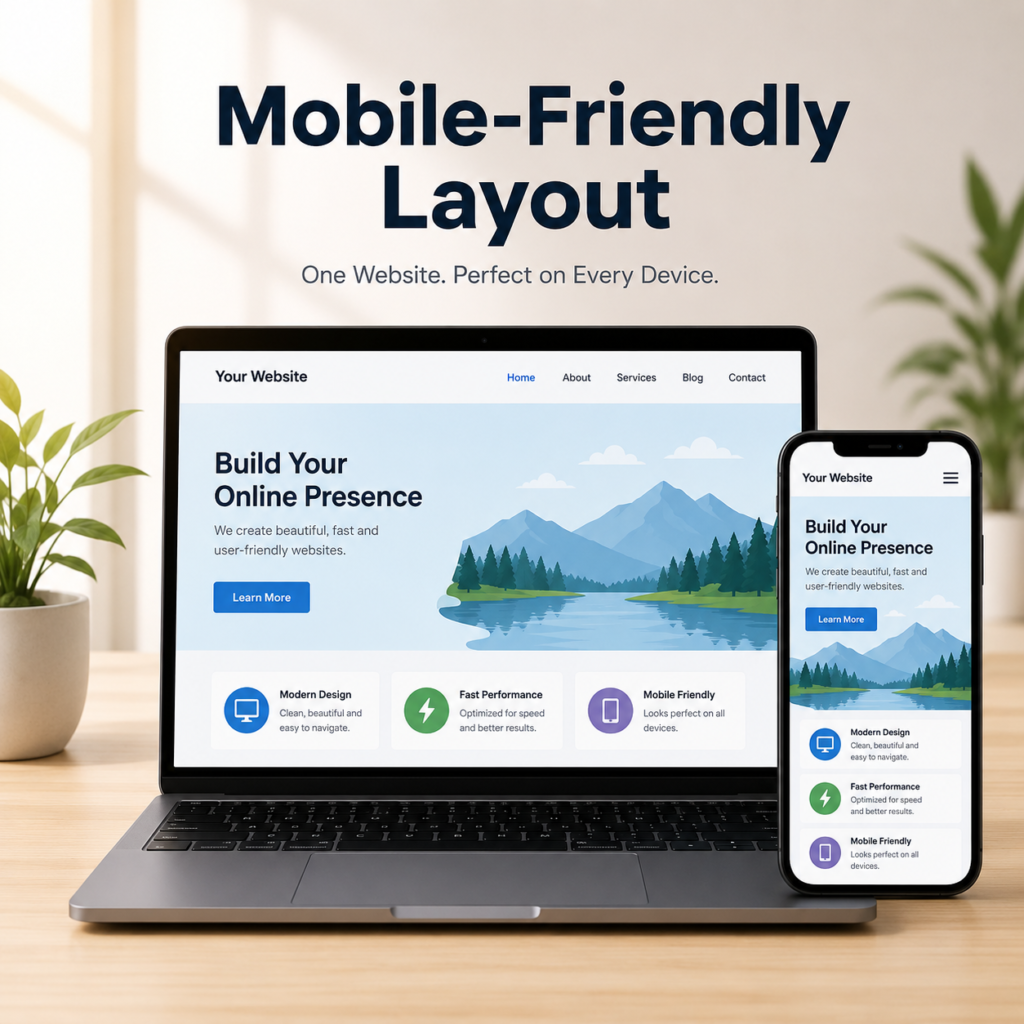
Why a Mobile-Friendly Layout Is Essential for Every Website
A mobile-friendly website is essential for providing a smooth browsing experience and improving your search engine rankings. Whether you own a personal blog, business website, or online store, these simple tips will help you create a website that performs well on every mobile device.

Does Your Website Have a Clear Call-to-Action?
A clear call-to-action helps visitors know exactly what to do next. Learn why CTAs are important, how to match them with your page’s purpose, and simple ways to increase engagement, leads, and conversions with effective website CTAs.

How to Reduce Intrusive Pop-Ups Without Hurting User Experience
Learn how to reduce intrusive pop-ups without disrupting your visitors. Discover easy ways to improve user experience, create a mobile-friendly website, boost engagement, and support better SEO while maintaining your conversion goals.
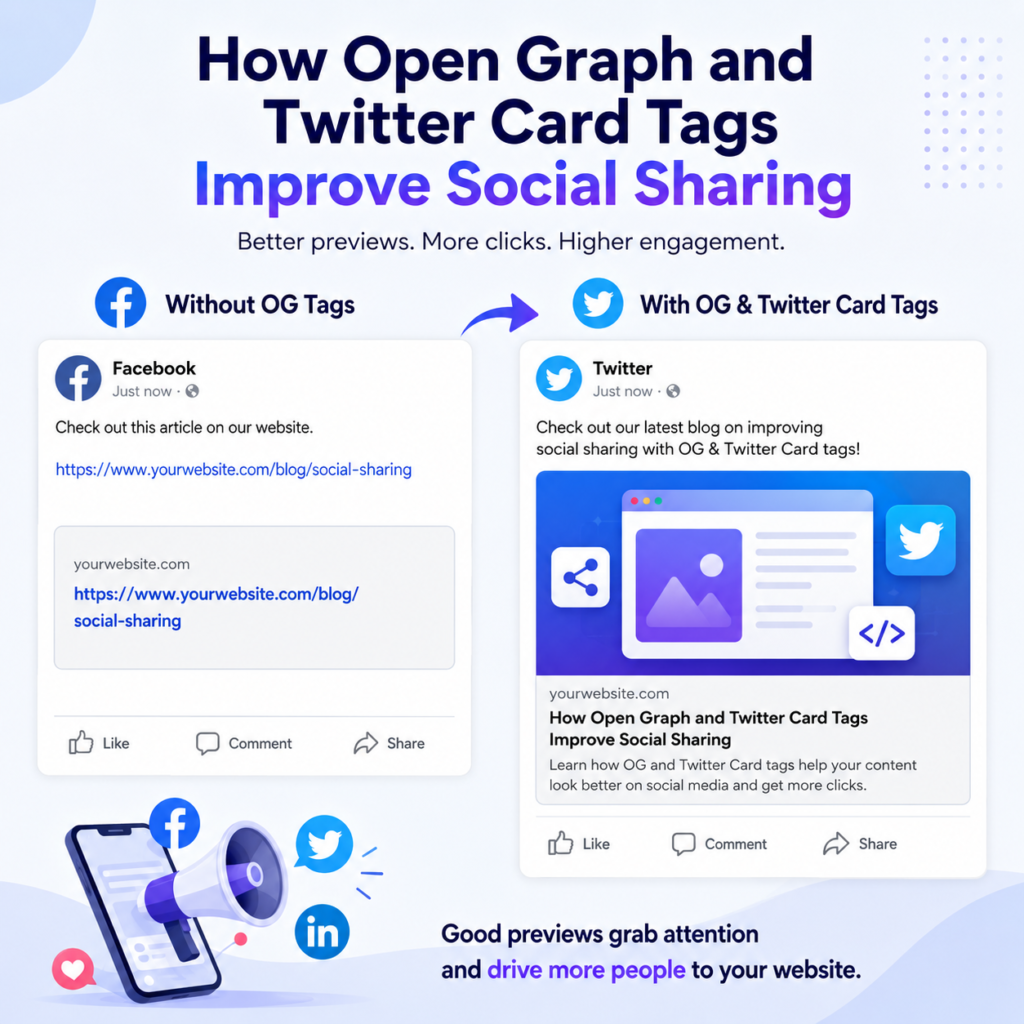
How Open Graph and Twitter Card Tags Improve Social Sharing
Discover how Open Graph and Twitter Card tags help your website stand out on social media. Learn how these meta tags create eye-catching link previews, improve user engagement, increase click-through rates, and drive more traffic to your website.
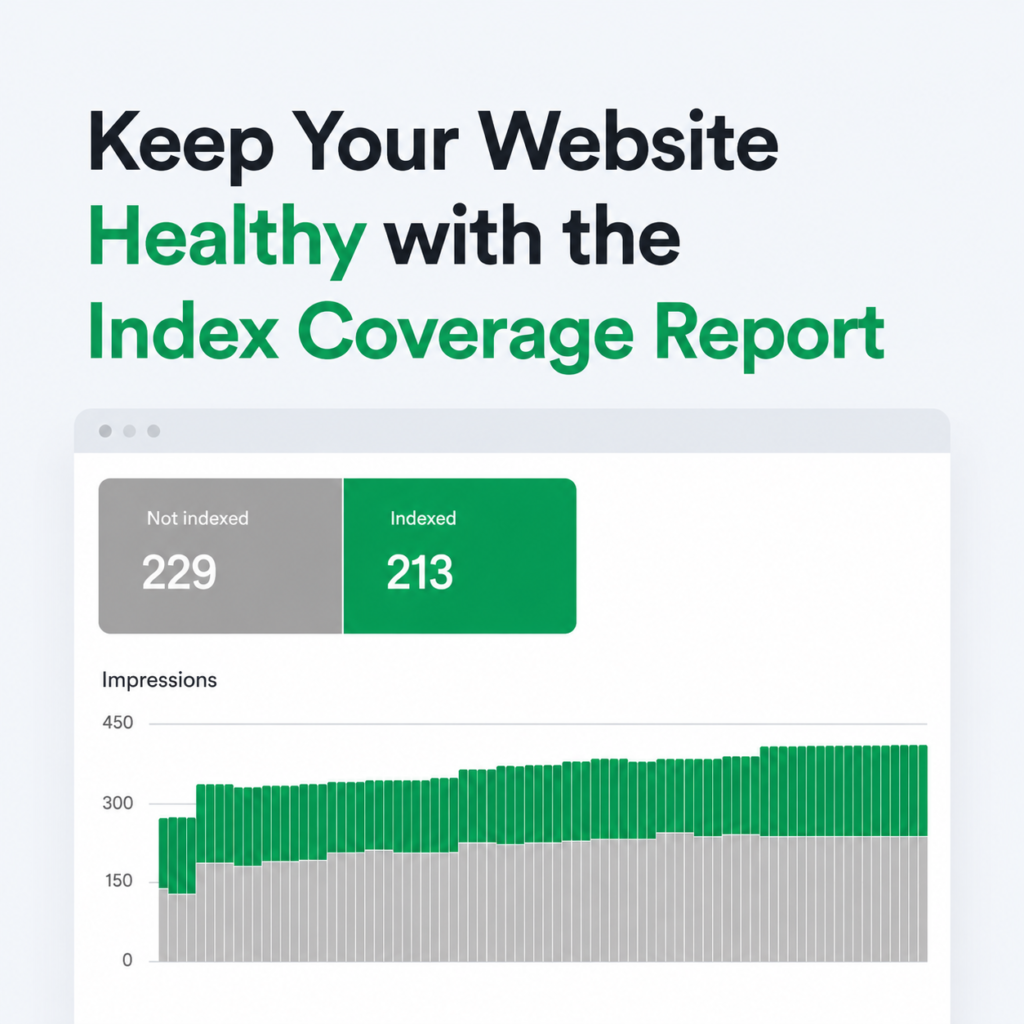
Keep Your Website Healthy with the Index Coverage Report
The Index Coverage Report in Google Search Console helps you understand which pages are indexed and which are not. By checking this report regularly, you can fix errors, improve website health, and increase your chances of ranking better in Google search results.
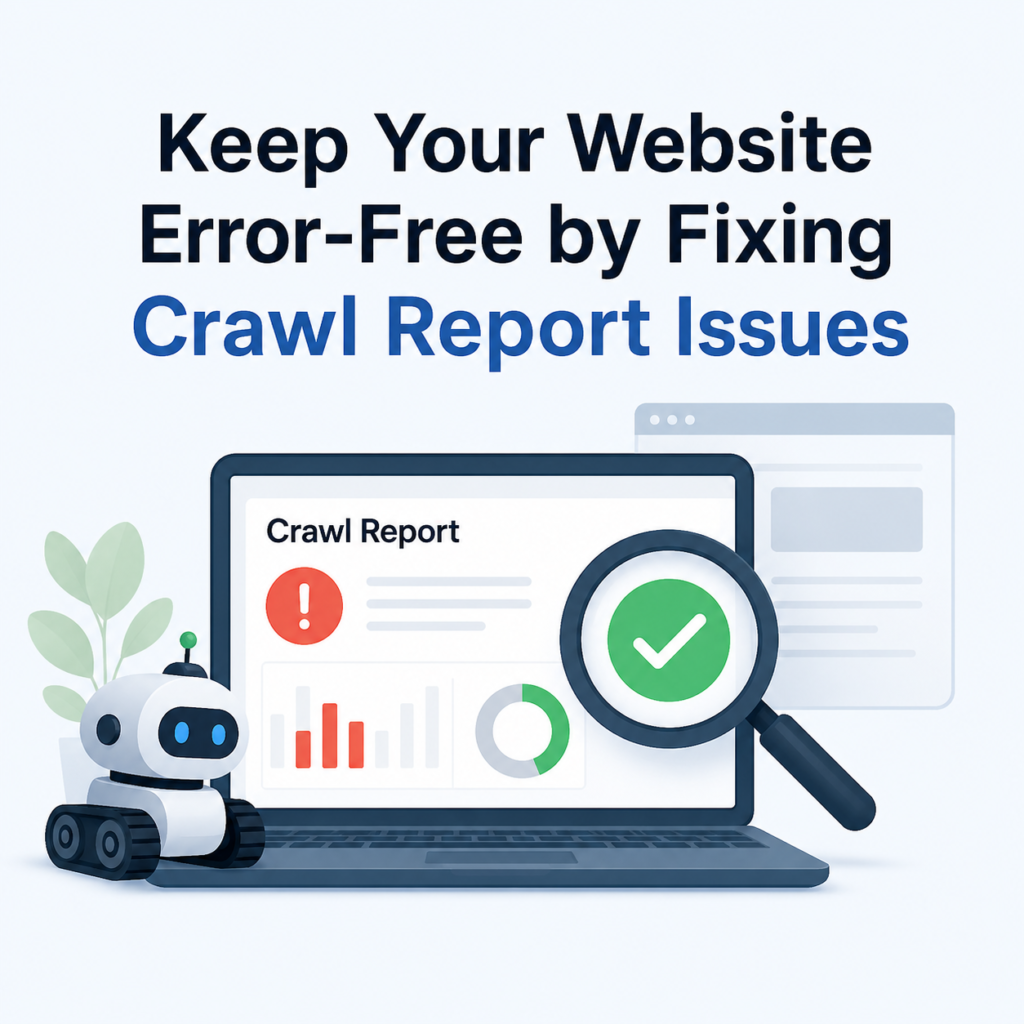
Keep Your Website Error-Free by Fixing Crawl Report Issues
Fixing crawl errors is an essential part of technical SEO. Learn how to identify and resolve 404 and 5xx server errors found in crawl reports, repair broken pages, improve Google indexing, and ensure search engines can crawl your website without issues. Keeping your website error-free helps improve rankings, user experience, and overall website performance.
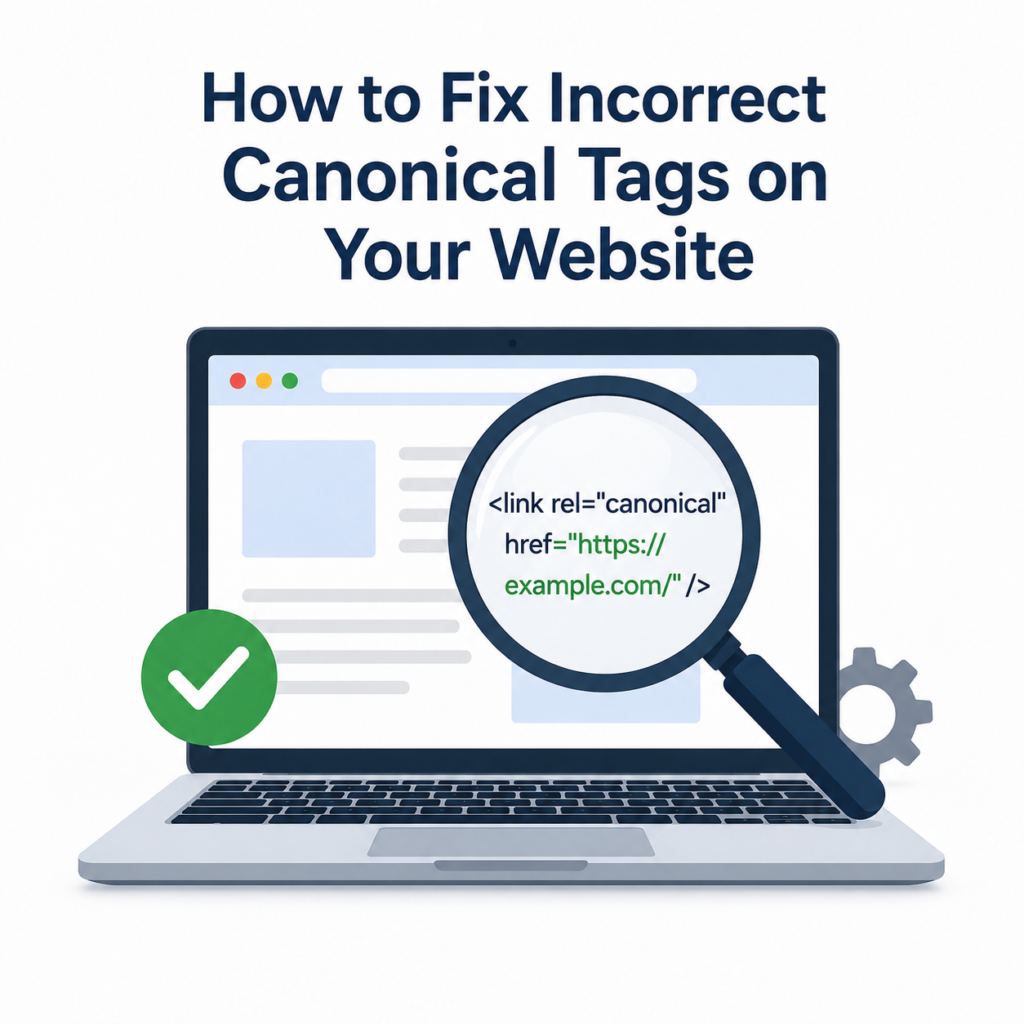
How to Fix Incorrect Canonical Tags on Your Website
Incorrect canonical tags can confuse search engines and affect your website’s SEO. This guide explains how to identify and fix canonical tag issues, prevent duplicate content, and ensure every page points to the correct preferred URL for better indexing and search rankings.
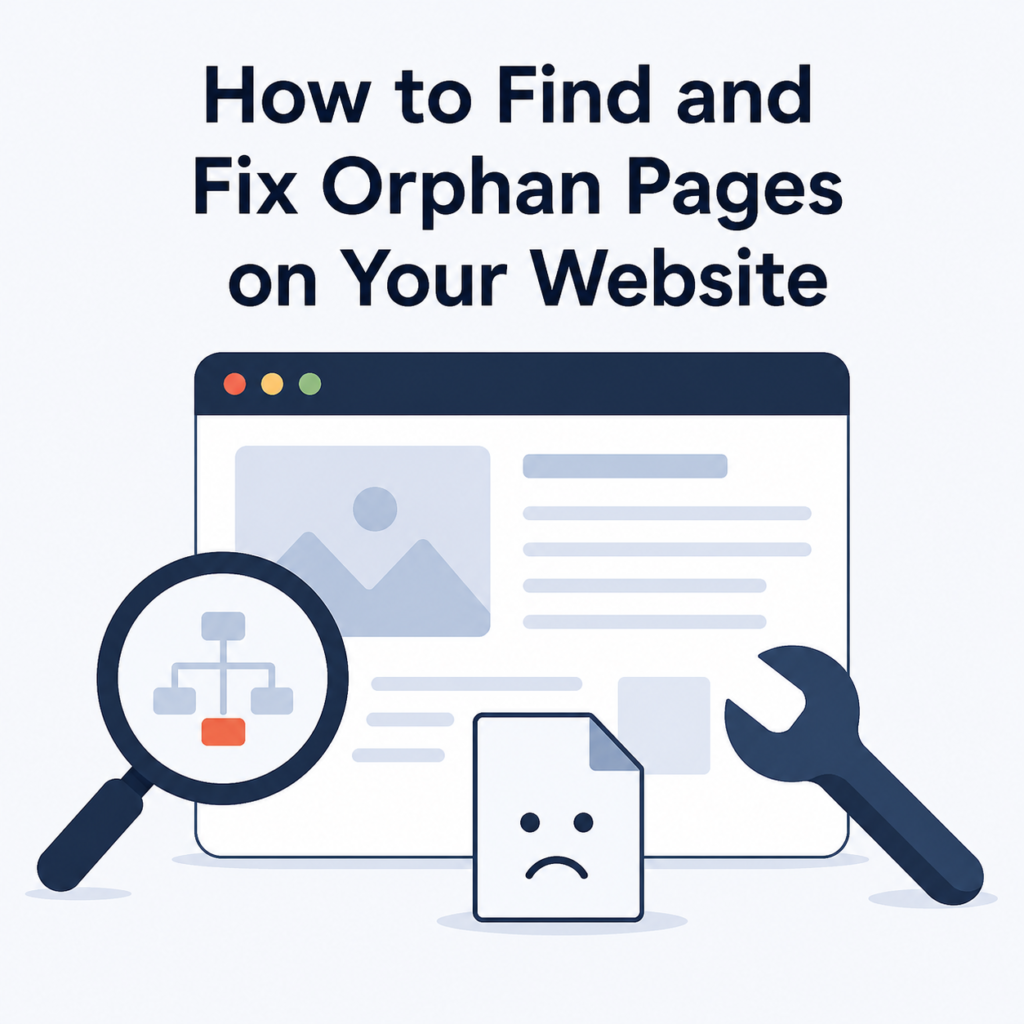
How to Find and Fix Orphan Pages on Your Website
Orphan pages are webpages with no internal links pointing to them, making them difficult for users and search engines to find. This guide explains how to identify orphan pages, fix them with proper internal linking, or remove unnecessary pages to improve your website’s SEO, indexing, and overall user experience.
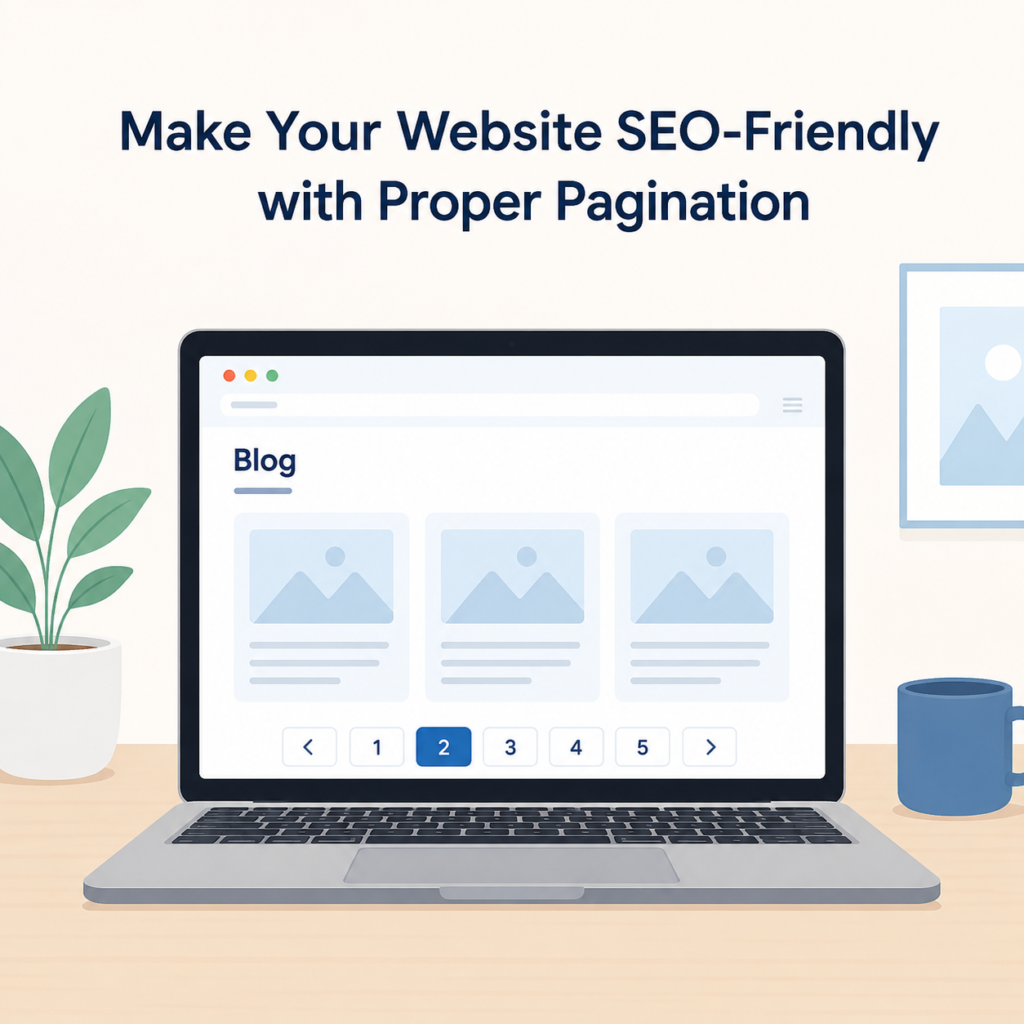
Make Your Website SEO-Friendly with Proper Pagination
Proper pagination helps organize your website, improve page loading speed, and make it easier for search engines to crawl your content. In this guide, you’ll learn simple pagination best practices to improve SEO and provide a better user experience.
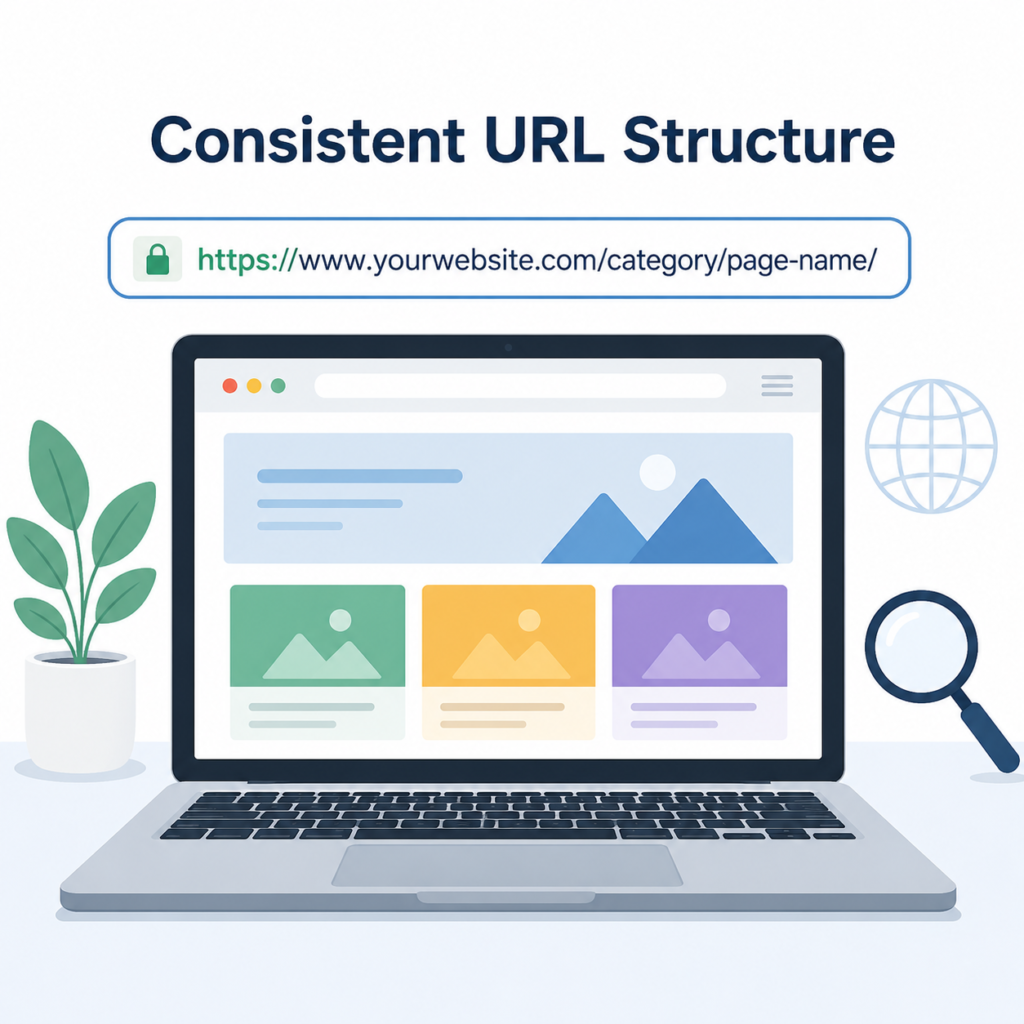
Keep Your Website Organized with a Consistent URL Structure
A consistent URL structure helps search engines crawl your website more efficiently and makes navigation easier for visitors. This guide explains simple best practices for creating clean, logical, and SEO-friendly URLs.
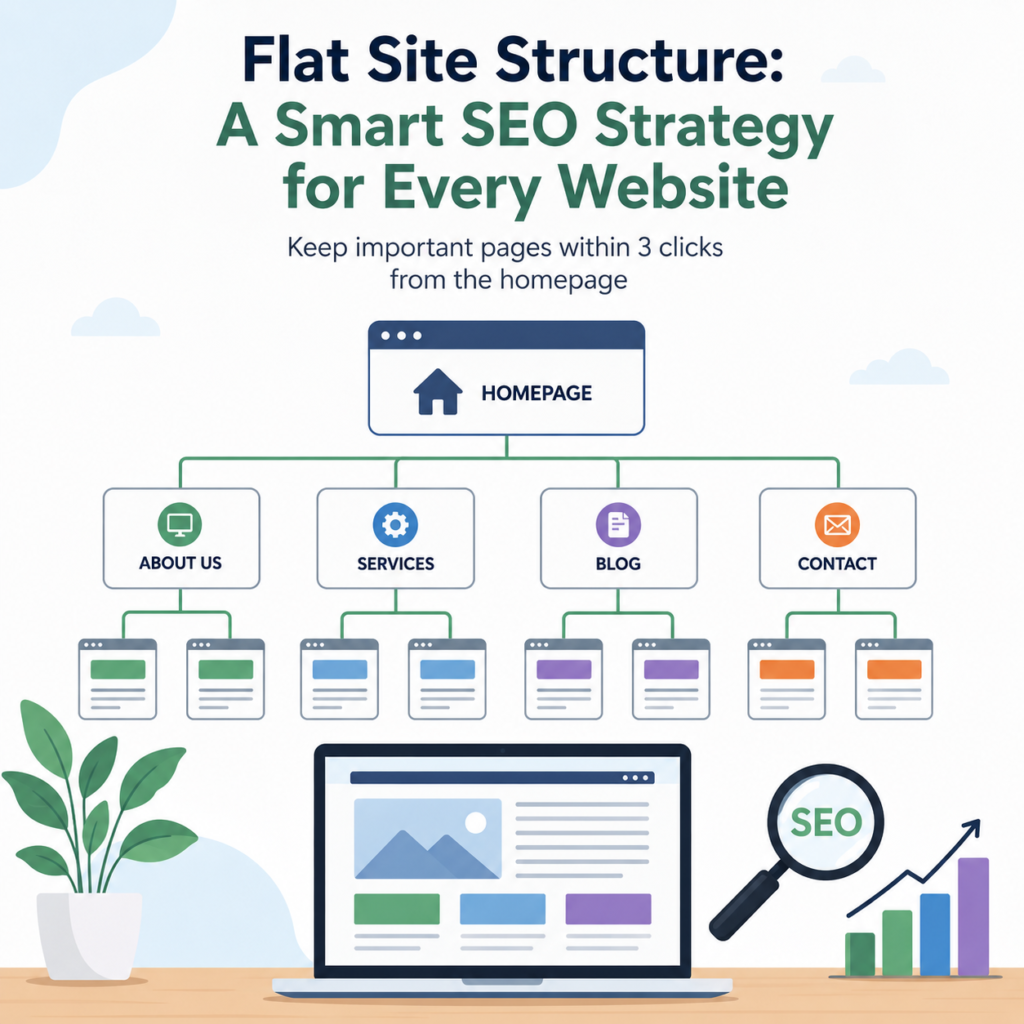
Flat Site Structure: A Smart SEO Strategy for Every Website
A flat site structure keeps your most important pages close to your homepage, making your website easier to navigate for visitors and simpler for search engines to crawl. In this blog, you’ll learn why a flat site structure matters, how it improves SEO, and the best practices for organizing your website effectively.
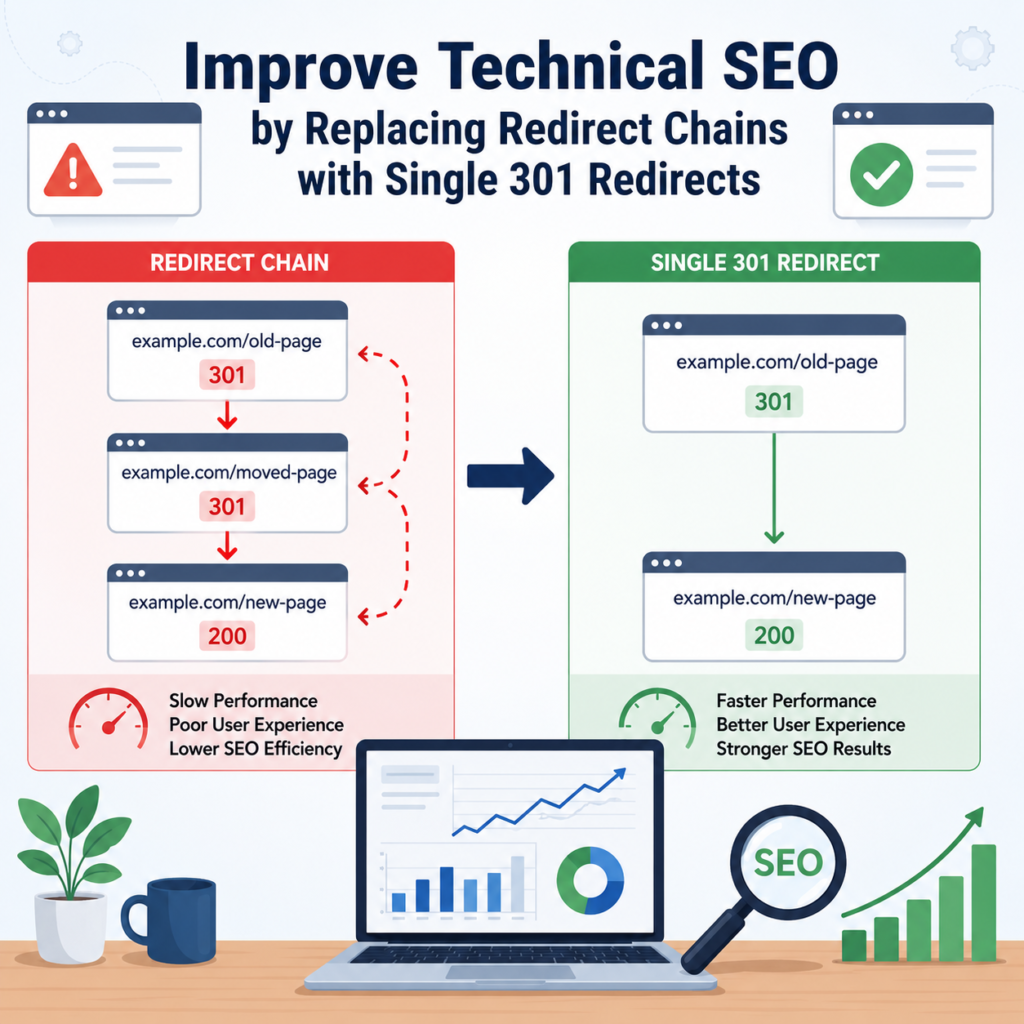
Improve Technical SEO by Replacing Redirect Chains with Single 301 Redirects
Redirect chains and loops can slow down your website and affect SEO. This guide explains how to identify redirect issues, replace them with single 301 redirects, and keep your website fast, user-friendly, and easy for search engines to crawl.
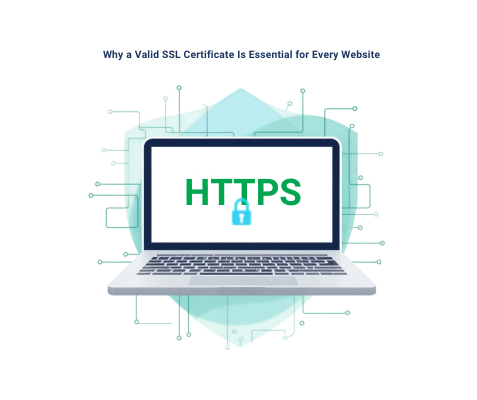
Why a Valid SSL Certificate Is Essential for Every Website
A valid SSL certificate keeps your website secure by encrypting user data and enabling HTTPS. This guide explains why SSL is important, how it improves SEO, builds visitor trust, and protects your website from security risks.
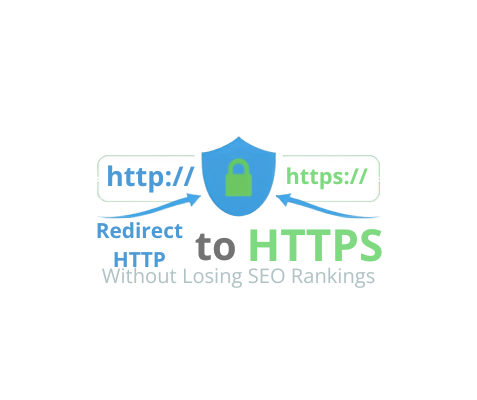
Redirect HTTP to HTTPS Without Losing SEO Rankings
Learn how to safely redirect HTTP URLs to HTTPS using 301 redirects. This guide explains how HTTPS improves website security, protects SEO rankings, prevents duplicate content, and ensures visitors always access the secure version of your website.
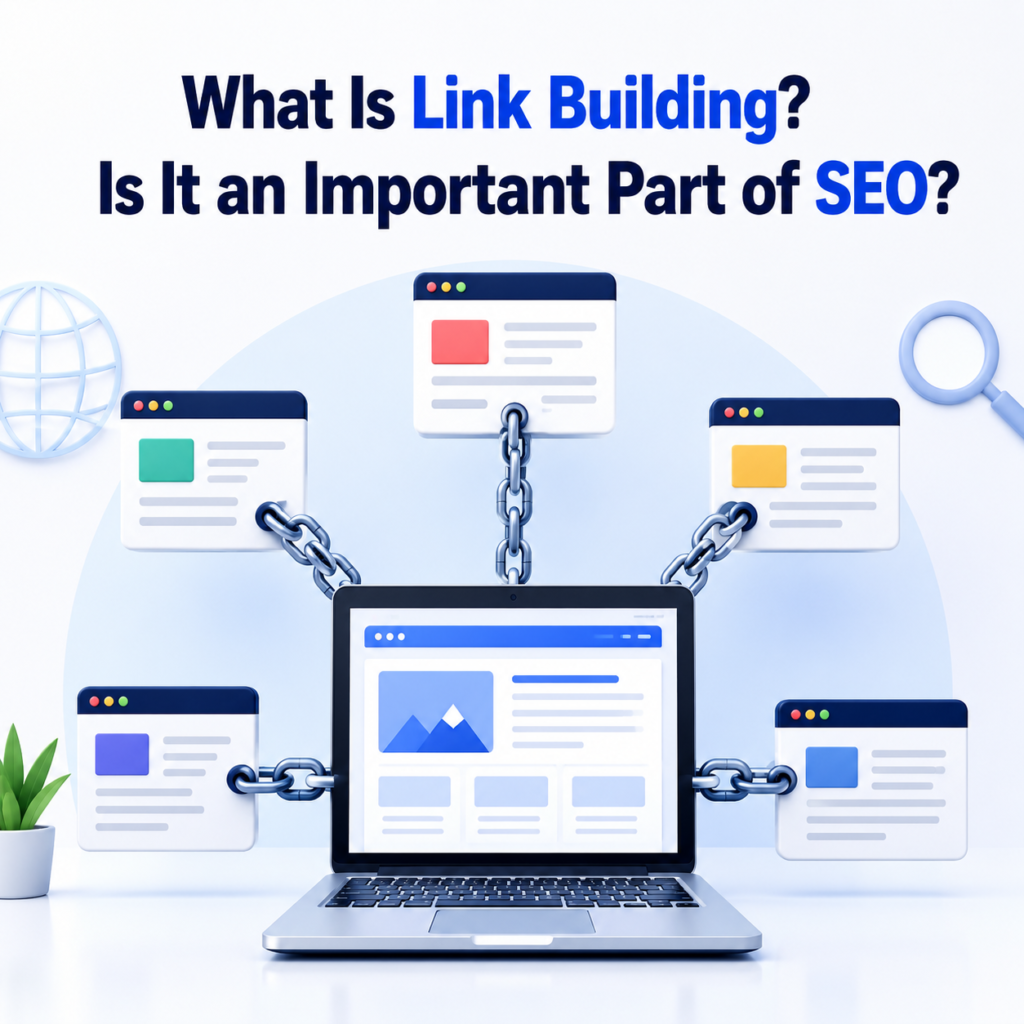
What Is Link Building? Is It an Important Part of SEO?
Link building is an essential part of Off-Page SEO that helps improve your website’s authority, search engine rankings, and organic traffic. In this beginner-friendly guide, you’ll learn what link building is, how backlinks work, why they matter for SEO, and the best practices for building high-quality links naturally.
Is Off-Page SEO Still Important in 2026?
Wondering if Off-Page SEO still matters in 2026? This guide explains why Off-Page SEO remains an essential part of every successful SEO strategy. Learn how backlinks, guest posting, brand mentions, social media, and other Off-Page SEO techniques help improve your website’s authority, increase organic traffic, and achieve better Google rankings.
What Are the Different Types of Off-Page SEO Tasks?
Discover the different types of Off-Page SEO tasks that help improve your website’s authority, visibility, and Google rankings. This guide explains important Off-Page SEO activities such as link building, guest posting, social media marketing, profile creation, business listings, brand mentions, and more in simple and easy-to-understand language.
200+ Free High Domain Authority Directory Submission Sites (2026)
Explore a handpicked list of 200+ free high Domain Authority directory submission sites. Learn how directory submission works, its SEO benefits, and start building quality backlinks to improve your website’s visibility and search engine rankings.
Profile Creation Sites to Build Quality Backlinks in 2026
Explore 200+ profile creation sites to build quality backlinks, improve your website’s online visibility, increase brand awareness, and strengthen your overall off-page SEO strategy. Find useful platforms to create professional profiles and support your website’s link-building efforts.