If you’ve read anything about Off-Page SEO before, you’ve probably felt a little overwhelmed. There are so many activities listed everywhere — link building, guest posting, reviews, forums, press releases — that it starts to feel like a never-ending checklist.
Here’s the truth: you don’t need to do all of it. You just need to understand what each one actually does, and focus your time on the ones that matter most.
Let’s break it down in plain language.
First, What Does “Off-Page” Even Mean?
Off-Page SEO is anything that happens outside your own website that still affects how much people — and Google — trust you. Think of it like your reputation in the real world. You don’t build a good reputation just by saying nice things about yourself. Other people vouching for you matters more.
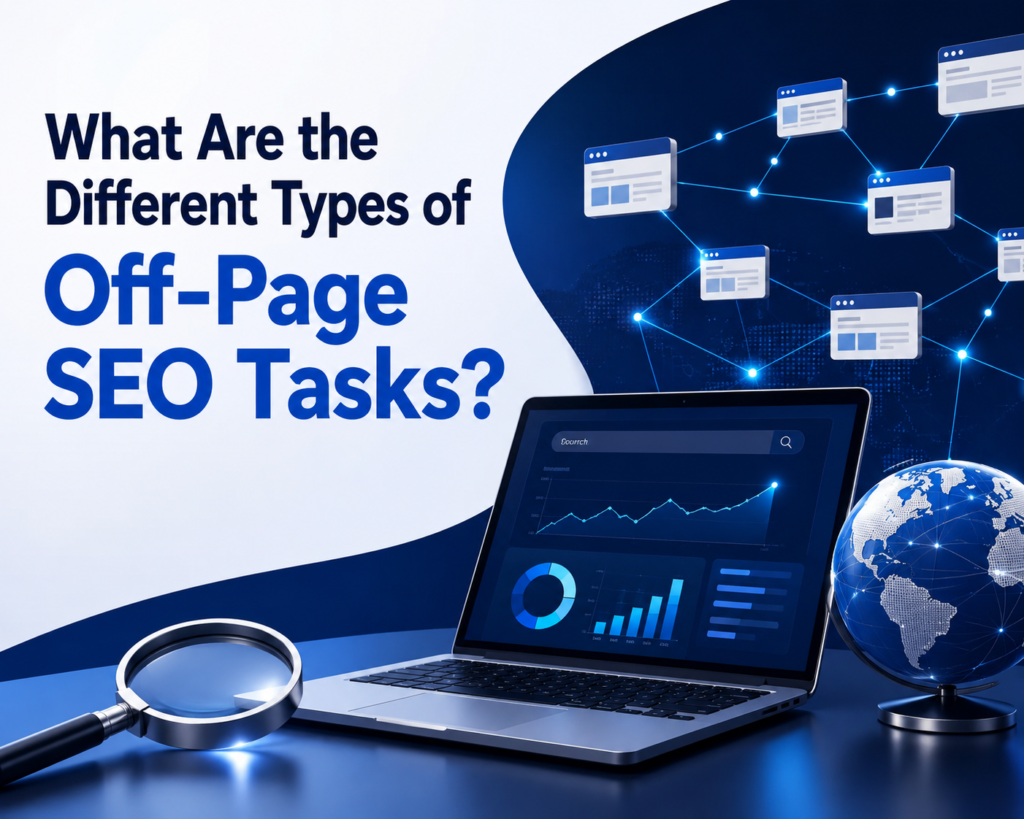
The Tasks That Matter Most
Link Building
This is the big one. It simply means getting other websites to link back to yours. If a respected blog in your niche links to your article, that’s a signal to Google that your content is worth trusting.
The key thing to remember: one good link from a relevant, trusted website is worth way more than dozens of random ones from unrelated sites.
Guest Posting
This means writing an article for someone else’s website, usually with a link back to your own site included. Done right, this can help you:
- Build genuine backlinks
- Reach a completely new audience
- Show off your expertise
- Bring in referral traffic
The catch is, it only works if you’re writing for websites that are actually relevant to your topic — and if your writing is genuinely useful, not just filler with a link attached.
Brand Mentions
Sometimes a website talks about your brand without linking to you at all. That’s still valuable. Google can recognize these mentions, and they help build your overall online reputation, even without a clickable link attached.
Online Reviews
If you run any kind of business, genuine reviews matter a lot. They build trust with new customers, and they signal credibility to search engines too. Just remember — never fake reviews or pay for them. It’s not worth the risk, and it’s usually easy to spot.
Helpful, But Not the Main Priority
Social Media Sharing
Sharing your content on platforms like Instagram, Facebook, or LinkedIn isn’t a direct ranking factor. But it does get more eyes on your content, which increases the chances that someone else notices it and links to it naturally.
Google Business Profile
If you have a local business, this one is genuinely important. Keep your business name, address, hours, and photos accurate and up to date. Respond to reviews when you can. This directly helps you show up for people searching nearby.
Influencer Outreach
Working with someone who has a genuinely relevant audience — even a small one — can bring real traffic and trust. The goal isn’t to find the biggest influencer possible, it’s to find the right one for your specific audience.
Being Active in Forums and Communities
Answering real questions in spaces where your audience already hangs out builds trust. Just make sure you’re actually being helpful rather than dropping links everywhere — people (and moderators) notice the difference quickly.
Creating Useful Content People Want to Share
Guides, how-to articles, and genuinely helpful resources tend to get linked to naturally over time, simply because people find them useful enough to reference.
Tasks You Should Use Carefully (Or Skip Entirely)
Directory and Profile Submissions
Submitting your website to a handful of well-known, relevant directories can be useful — especially if you’re a local business. But submitting to hundreds of random, generic directories does very little for you, and can actually make your backlink profile look artificial and spammy to Google. Quality beats quantity here, every single time.
Blog Commenting
Leaving a genuinely thoughtful comment on a relevant blog post can occasionally help you build a connection. But comments like “Nice post!” or “Check out my website!” don’t help at all — they usually just look like spam.
Press Releases
These only make sense when you actually have real news to share — launching something new, a big milestone, an event. Using press releases purely to grab backlinks rarely works anymore.
Competitor Research and Broken Link Building
These are more like tools to find opportunities, not results by themselves. Looking at where your competitors get their links, or finding broken links you could replace with your own content, can be useful — but only if what you’re offering is genuinely valuable and relevant.
What You Should Avoid Completely
Some tactics simply aren’t worth the risk anymore:
- Buying large batches of backlinks
- Mass-submitting your site to random, unrelated directories
- Using the exact same keyword phrase as your link text everywhere
- Posting identical content across many different sites
- Any tactic whose only purpose is to manufacture a big number of links quickly
Google has become very good at recognizing these patterns, and a backlink profile that looks artificially inflated can actually hurt your rankings rather than help them.
So Where Should You Actually Focus?
If you’re feeling overwhelmed by this list, here’s the simple version: pick a small number of high-quality activities and do them consistently.
A good starting combination looks something like this:
- Write genuinely useful content that naturally attracts links over time.
- Reach out for a few real guest posting opportunities in your niche.
- Keep your Google Business Profile complete and updated, if you’re local.
- Encourage honest reviews from real customers.
- Show up regularly and helpfully on social media and relevant communities.
That’s really it. You don’t need to chase every tactic on this list. A handful of genuine, consistent efforts will always beat a huge pile of low-effort, low-quality ones.
Final Thought
Off-Page SEO isn’t about doing everything possible — it’s about building real trust and relevance in ways that can’t be faked. Focus on quality over quantity, be patient, and the results will follow naturally over time.