Healthy hair is something everyone wants. Thick, shiny, and strong hair can improve confidence and make you feel good. But nowadays, many people suffer from hair problems like hair fall, weak hair roots, dry scalp, thinning hair, and slow hair growth.
Most people use expensive shampoos, oils, and treatments to solve these problems, but they often ignore one major reason behind unhealthy hair — nutritional deficiency.
Your hair needs proper vitamins, minerals, proteins, and healthy fats to grow properly. When your body does not get enough nutrients, your hair health starts getting affected slowly.
In this blog, we will understand how nutritional deficiency impacts hair health, important nutrients for hair, signs of deficiency, and simple ways to improve hair naturally.
Why Nutrition Is Important for Hair Health
Hair roots need proper nourishment to stay healthy. Hair cells grow very fast, which means they need a regular supply of nutrients.
When your body lacks nutrients, it sends available nutrition to important organs like the heart and brain first. Hair becomes less important for survival, so it may not receive enough nourishment.
Benefits of Proper Nutrition for Hair
Supports Healthy Hair Growth
Proper nutrition helps hair grow faster and healthier.
Makes Hair Roots Stronger
Nutrients strengthen hair follicles and reduce weakness.
Reduces Hair Fall
A healthy diet can lower excessive hair shedding.
Improves Hair Shine
Vitamins and healthy fats keep hair soft and shiny.
Prevents Dryness and Breakage
Good nutrition helps maintain moisture in the hair.
Common Signs of Nutritional Deficiency in Hair
Your hair often gives warning signs when your body lacks important nutrients.
Excessive Hair Fall
Losing some hair daily is normal, but heavy hair fall may be caused by nutritional deficiency.
Slow Hair Growth
Lack of nutrients can slow down healthy hair growth.
Thin and Weak Hair
Deficiency can make hair weak and easy to break.
Dry and Rough Hair
Poor nutrition may remove natural moisture from hair.
Split Ends
Weak hair strands can quickly develop split ends.
Dull and Lifeless Hair
Deficiency can make hair lose its natural shine.
Dry or Flaky Scalp
Poor nutrition may also lead to dandruff and scalp dryness.
Important Nutrients for Healthy Hair
Protein and Hair Health
Why Protein Is Important
Hair is mainly made of a protein called keratin. Protein is necessary for building strong hair strands.
Signs of Protein Deficiency
- Hair thinning
- Hair breakage
- Weak hair
- Slow hair growth
Best Sources of Protein
- Eggs
- Milk
- Paneer
- Yogurt
- Fish
- Chicken
- Lentils
- Soybeans
- Nuts
Iron Deficiency and Hair Loss
How Iron Helps Hair
Iron carries oxygen to hair roots through blood. Hair roots need oxygen to grow properly.
Symptoms of Iron Deficiency
- Heavy hair fall
- Weakness
- Tiredness
- Dizziness
Iron-Rich Foods
- Spinach
- Beetroot
- Dates
- Pomegranate
- Lentils
- Pumpkin seeds
Extra Tip
Vitamin C helps absorb iron better, so eating lemons or oranges with iron-rich foods can help.
Vitamin D Deficiency and Hair Problems
Why Vitamin D Is Important
Vitamin D supports the creation of new hair follicles and healthy hair growth.
Signs of Vitamin D Deficiency
- Hair thinning
- Weak hair roots
- Low energy
- Bone pain
Sources of Vitamin D
- Morning sunlight
- Egg yolk
- Mushrooms
- Fatty fish
- Fortified milk
Biotin Deficiency and Weak Hair
What Is Biotin?
Biotin is also called Vitamin B7. It supports hair growth and improves hair texture.
Signs of Biotin Deficiency
- Brittle hair
- Dry scalp
- Hair thinning
- Weak nails
Foods Rich in Biotin
- Eggs
- Bananas
- Almonds
- Walnuts
- Sweet potatoes
- Spinach
Zinc Deficiency and Hair Damage
Why Zinc Is Important
Zinc helps repair damaged hair tissues and supports scalp health.
Symptoms of Zinc Deficiency
- Hair fall
- Dry scalp
- Slow hair growth
- Weak immunity
Zinc-Rich Foods
- Pumpkin seeds
- Chickpeas
- Nuts
- Dairy products
- Whole grains
Omega-3 Fatty Acids for Healthy Hair
Benefits of Omega-3
Omega-3 fatty acids keep hair moisturized, soft, and shiny.
Signs of Healthy Fat Deficiency
- Dry hair
- Rough texture
- Brittle strands
Best Sources of Omega-3
- Fish
- Flaxseeds
- Walnuts
- Chia seeds
Vitamin C and Hair Strength
How Vitamin C Helps Hair
Vitamin C supports collagen production and strengthens hair strands.
Signs of Low Vitamin C
- Weak hair
- Hair breakage
- Dry hair
Vitamin C-Rich Foods
- Oranges
- Lemon
- Amla
- Guava
- Tomatoes
Vitamin B12 Deficiency and Hair Fall
Why Vitamin B12 Is Important
Vitamin B12 helps produce red blood cells that carry oxygen to hair roots.
Symptoms of Vitamin B12 Deficiency
- Hair thinning
- Weakness
- Fatigue
- Low energy
Sources of Vitamin B12
- Eggs
- Dairy products
- Fish
- Chicken
- Fortified cereals
How Poor Eating Habits Damage Hair
Bad food habits can slowly damage hair health.
Skipping Meals
Skipping meals reduces nutrient intake.
Eating Too Much Junk Food
Junk food lacks important vitamins and minerals.
Crash Dieting
Extreme dieting can increase hair fall.
Drinking Less Water
Dehydration can make hair dry and weak.
Low-Protein Diets
Low protein intake directly affects hair growth.
Stress and Hair Health
Stress can also affect nutrient absorption and increase hair fall.
How Stress Affects Hair
Long-term stress weakens hair roots and slows hair growth.
Ways to Reduce Stress
Yoga
Yoga helps calm the mind and body.
Meditation
Meditation may reduce stress naturally.
Exercise
Regular exercise improves blood circulation.
Proper Sleep
Good sleep supports healthy hair growth.
Simple Tips to Improve Hair Health Naturally
Eat a Balanced Diet
Include proteins, fruits, vegetables, and healthy fats in your meals.
Drink Enough Water
Water helps keep hair and scalp hydrated.
Sleep Properly
Proper sleep supports healthy hair repair.
Spend Time in Sunlight
Morning sunlight improves vitamin D levels naturally.
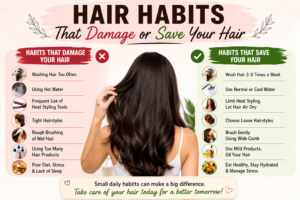
Avoid Excessive Heat Styling
Too much heat can weaken damaged hair.
Massage Your Scalp
Oil massage improves blood circulation to hair roots.
Avoid Too Many Chemical Products
Chemicals can damage weak hair further.
Can Supplements Help Hair Growth?
Sometimes severe deficiencies may require supplements.
Common Supplements for Hair Health
Iron Supplements
Help improve iron deficiency-related hair fall.
Vitamin D Supplements
Support healthy hair follicles.
Biotin Supplements
Improve hair strength and texture.
Zinc Supplements
Support scalp and hair repair.
Important Note
Supplements should only be taken after proper medical advice.
When Should You Visit a Doctor?
You should consult a doctor if hair problems become severe.
Signs You Should Not Ignore
Severe Hair Fall
Excessive shedding may require medical attention.
Bald Patches
Sudden bald spots may indicate deeper health issues.
Constant Weakness
Weakness along with hair fall may signal nutritional deficiency.
No Improvement from Home Remedies
Professional advice may be needed if nothing works.
Conclusion
Healthy hair starts from inside the body. Nutritional deficiency can weaken hair roots, increase hair fall, and slow hair growth.
Important nutrients like protein, iron, zinc, vitamin D, biotin, omega-3 fatty acids, and vitamin C all play a major role in maintaining healthy hair.
Instead of depending only on hair products, focus on improving your diet and lifestyle. Eating healthy foods, drinking enough water, sleeping properly, and reducing stress can naturally improve hair health over time.
If you continue facing hair problems, do not ignore them. Your hair may be giving signs that your body needs better nutrition and care.