
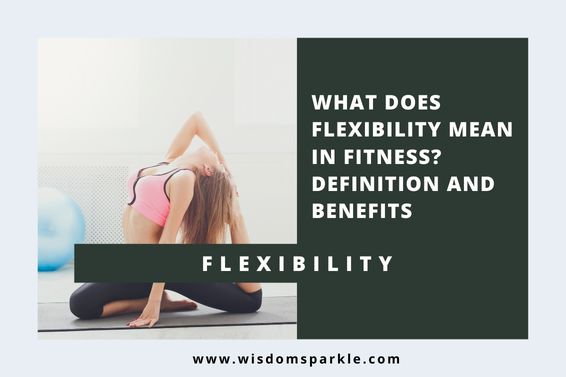
When people think about fitness, they often think about building muscles, losing weight, or getting stronger. But there is another important part of fitness that should not be ignored: flexibility.
Flexibility helps your body move comfortably during exercise and everyday activities. It can make it easier to bend down, reach for something, turn your body, or stretch your arms without feeling too restricted.
You do not need to be an athlete or yoga expert to work on your flexibility. People of different ages and fitness levels can benefit from suitable stretching exercises.
In this blog, you will learn what flexibility means in fitness, why it matters, how it differs from mobility, and which simple exercises you can try at home.
What Does Flexibility Mean in Fitness?
Flexibility in fitness means how far a muscle and the surrounding tissues can stretch around a joint. It affects how easily you can move into different positions.
For example, bending forward to put on your shoes or reaching overhead to take something from a shelf requires a certain amount of flexibility.
If your muscles feel tight during these movements, you may benefit from gentle stretching. However, flexibility is different for everyone. Your body structure, age, activity level, and past injuries can affect your natural range of movement.
Flexibility does not mean you must touch your toes, perform a split, or copy advanced yoga poses. The goal is to move comfortably and have enough range of motion for your daily activities and exercise routine.
What Is the Difference Between Flexibility and Mobility?
Flexibility and mobility are related, but they do not mean exactly the same thing.
Flexibility is how much a muscle can stretch. Mobility is how well you can move a joint through its range of motion with control.
For example, you may be able to stretch your leg while sitting on the floor. But lifting that leg and holding it in the air requires both flexibility and muscular control.
Both are important for everyday movement and exercise. Stretching can help improve flexibility, while controlled movements and strength exercises can help support mobility.
Types of Flexibility
There are different ways to describe flexibility and stretching. Understanding these types can help you choose exercises that match your needs.
1. Static Flexibility
Static flexibility involves reaching and holding a position without moving. For example, you might sit with your legs extended and gently lean forward to stretch the back of your legs.
Static stretching is commonly used after exercise or during a separate stretching session.
2. Dynamic Flexibility
Dynamic flexibility involves moving your muscles and joints through a comfortable range of motion. Arm circles, controlled leg swings, and walking lunges are common examples.
Dynamic movements are often included in a warm-up before sports or workouts because they prepare your body for activity.
3. Active Flexibility
Active flexibility means moving into a stretched position and holding it using your own muscle strength. For example, lifting one leg and keeping it raised without holding it with your hands.
This type of movement requires both flexibility and muscular control.
4. Passive Flexibility
Passive flexibility involves using outside support to help you hold a stretch. You might use a yoga strap, a wall, or the support of the floor.
Use support gently, and avoid forcing your body into a deeper position.
Why Is Flexibility Important in Fitness?
Flexibility is one part of a balanced fitness routine. It can help you move more comfortably and perform everyday tasks with greater ease.
1. Makes Daily Activities Easier
Simple activities such as bending down, reaching overhead, putting on shoes, and doing household chores require movement around your joints.
Working on flexibility may make these activities more comfortable if tightness is limiting your movement.
2. Supports Better Movement
A suitable range of motion helps you perform many exercises with better control. For example, comfortable movement around your hips, ankles, and shoulders can help you perform squats, lunges, and overhead movements.
However, flexibility alone does not guarantee correct exercise technique or prevent injuries.
3. Helps You Maintain Your Range of Motion
Spending long periods in the same position can make you feel stiff. Gentle stretching and regular movement can help you work on your range of motion.
Taking movement breaks during long periods of sitting can also help you feel less restricted.
4. Supports Sports and Exercise
Different activities need different levels of flexibility. Dance, gymnastics, yoga, running, and strength training all involve different movement requirements.
Improving flexibility where you need it may help you perform certain movements more comfortably. Your training should still include strength, balance, and coordination.
5. Can Help You Relax
Gentle stretching can provide a relaxing break after a busy day. Moving slowly and breathing normally may help you release some muscle tension and feel calmer.
Stretching can support relaxation, but it is not a replacement for professional care when you have ongoing pain or other health concerns.
How to Improve Flexibility
You do not need expensive equipment or long workout sessions to start improving your flexibility. A simple routine can be enough to begin.
1. Start With a Gentle Warm-Up
Before doing longer static stretches, try five minutes of easy movement, such as walking in place or moving your arms and legs gently.
A warm-up helps prepare your body for exercise. Before sports or a workout, include controlled movements that match the activity you plan to do.
2. Stretch the Muscles You Need to Work On
Focus on the areas where you feel restricted or that are important for your daily activities. These may include your calves, hips, hamstrings, chest, or shoulders.
You do not have to stretch every muscle in every session. Choose a few exercises that suit your needs.
3. Hold Stretches Gently
For a basic static stretch, try holding the position for about 15–30 seconds. Keep breathing and avoid bouncing.
You should feel a gentle pulling sensation, not sharp pain. Do not force your body to reach a particular position.
4. Stay Consistent
Flexibility usually improves gradually with regular practice. Start with a short routine and increase it only when the exercises feel comfortable.
You can stretch several times a week or follow a routine suited to your activity level. The right schedule depends on your needs and how your body responds.
5. Try Yoga or Pilates
Yoga and Pilates include movements that can help you work on flexibility, balance, body awareness, and control.
Beginners can start with simple movements and use modifications when needed. Choose a class or routine that matches your current ability rather than forcing yourself into advanced positions.
Simple Flexibility Exercises for Beginners
Here are six basic exercises you can try at home. Move slowly and stay within a comfortable range.
1. Hamstring Stretch
How to do it:
- Sit on the floor with one leg extended and the other leg bent comfortably.
- Keep your back as straight as you can.
- Lean forward gently from your hips toward the extended leg.
- Hold for 15–30 seconds, then switch sides.
What it targets: The hamstrings at the back of your thigh.
Do not pull your toes or force yourself to touch them.
2. Cat-Cow Stretch
How to do it:
- Start on your hands and knees.
- Slowly arch your back while lifting your chest slightly.
- Then gently round your back and look toward the floor.
- Repeat the movement 6–10 times at a comfortable pace.
What it targets: Movement and control through your spine.
Avoid forcing your back into either position.
3. Shoulder Stretch
How to do it:
- Stand or sit comfortably.
- Bring one arm across your chest.
- Use your other arm to support it gently.
- Hold for 15–30 seconds and change sides.
What it targets: The back and outer area of your shoulder.
Keep your shoulders relaxed rather than lifting them toward your ears.
4. Hip Flexor Stretch
How to do it:
- Kneel on one knee and place the other foot in front of you.
- Keep your upper body upright.
- Gently move your hips forward until you feel a stretch at the front of the hip.
- Hold for 15–30 seconds and change sides.
What it targets: The muscles at the front of your hip.
Use a folded towel under your knee if you need extra comfort. Do not push your hips forward too far.
5. Calf Stretch
How to do it:
- Stand facing a wall and place your hands on it.
- Step one foot back while keeping that heel on the floor.
- Bend your front knee and lean toward the wall slightly.
- Hold for 15–30 seconds and switch legs.
What it targets: The calf muscles at the back of your lower leg.
Keep your back heel down without forcing the stretch.
6. Side Stretch
How to do it:
- Stand with your feet comfortably apart.
- Raise one arm overhead.
- Lean gently to the opposite side without twisting your body.
- Hold for 15–20 seconds and change sides.
What it targets: The muscles along the side of your body.
Keep both feet steady and avoid leaning farther than feels comfortable.
How to Stretch Safely
Stretching should feel controlled and comfortable. Keep these simple points in mind as you begin.
- Do not stretch into pain: Stop if you feel sharp pain, numbness, or unusual discomfort.
- Breathe normally: Avoid holding your breath while stretching.
- Warm up first: Gentle movement is helpful before a longer stretching session.
- Avoid bouncing: Move slowly into static stretches and hold the position steadily.
- Use support if needed: A wall, chair, or yoga strap can help you stay balanced.
- Do not compare yourself with others: People naturally have different levels of flexibility.
- Allow time for progress: Increase the range gradually instead of forcing quick results.
If you have an injury, ongoing pain, or a condition that affects movement, ask a qualified healthcare professional which exercises are suitable for you.
Frequently Asked Questions
1. What does flexibility mean in fitness?
Flexibility means how much a muscle and the surrounding tissues can stretch around a joint. It helps you move into different positions during daily activities and exercise.
2. Can beginners improve their flexibility?
Yes. Beginners can work on flexibility through gentle stretching and regular movement. Start with simple exercises, use a comfortable range, and increase the challenge gradually.
3. How long should I hold a stretch?
For many basic static stretches, holding a position for about 15–30 seconds is a useful starting point. Keep breathing and avoid pushing into pain.
4. Is flexibility the same as mobility?
No. Flexibility refers mainly to how much a muscle can stretch, while mobility refers to how well you can move a joint through its range of motion with control. Both can be useful for exercise and daily activities.
5. Should I stretch before or after a workout?
Before a workout, gentle dynamic movements are often useful for preparing your body for activity. Static stretching can be included after exercise or in a separate session. Avoid forcing deep stretches when your body is not prepared.
6. Does flexibility prevent injuries?
Flexibility can support comfortable movement, but it does not guarantee injury prevention. A balanced fitness routine should also include strength, suitable warm-ups, good technique, and enough recovery.
Final Thoughts
Flexibility is an important part of fitness because it helps you work toward comfortable movement in everyday life and during exercise. It is not about performing difficult yoga poses or being able to touch your toes. It is about having the range of motion you need for your daily activities and fitness goals.
Start with a few simple stretches, move gently, and stay consistent. You can also include walking, strength training, and controlled movements to support your overall fitness.
Remember that everyone has a different starting point. Focus on your own progress rather than comparing your body with someone else’s. With a suitable routine and patience, you can work toward moving more comfortably and confidently.


2 thoughts on “What Does Flexibility Mean in Fitness? Definition and Benefits”
Comments are closed.