If you own a website, keeping it secure should always be one of your top priorities. Whether you run a personal blog, a business website, an online store, or a portfolio, your visitors expect their information to be safe.
One of the easiest and most important ways to protect your website is by using an SSL certificate. An SSL certificate helps keep data secure, builds trust with visitors, and even supports your website’s SEO.
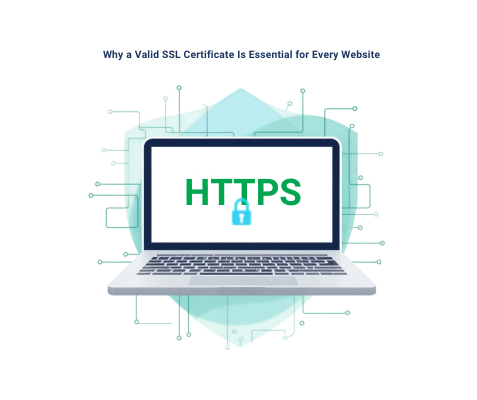
Today, almost every successful website uses HTTPS instead of HTTP because it provides a safer browsing experience.
In this blog, you’ll learn what an SSL certificate is, why it’s important, and how it benefits both your website and your visitors.
What Is an SSL Certificate?
SSL stands for Secure Sockets Layer. It is a security technology that encrypts the information shared between a visitor’s browser and your website.
When a website has a valid SSL certificate, its address begins with:
https://
instead of
http://
The extra “S” stands for Secure.
You may also notice a small padlock icon next to the website address in your browser. This tells visitors that the website uses a secure connection.
How Does an SSL Certificate Work?
Whenever someone visits your website, information travels between their browser and your server.
Without SSL, this information can be easier for attackers to intercept.
With an SSL certificate, the data is encrypted before it is sent. This means the information becomes unreadable to anyone trying to access it without permission.
This extra layer of protection keeps sensitive information safe.
Why Is an SSL Certificate Important?
An SSL certificate offers many benefits beyond security.
Protects User Information
Visitors often enter personal information on websites.
This may include:
- Names
- Email addresses
- Phone numbers
- Passwords
- Payment details
- Contact form information
SSL encrypts this information, helping keep it safe during transmission.
Builds Trust
People feel more comfortable using secure websites.
When visitors see the padlock icon and HTTPS in the address bar, they know your website is protected.
This increases confidence and encourages users to spend more time on your website.
Improves SEO
Google considers HTTPS an important ranking signal.
Although it is only one part of SEO, using HTTPS can help your website perform better in search results.
A secure website also creates a better experience for users, which supports long-term SEO success.
Protects Your Website’s Reputation
Modern browsers warn users before opening websites that are not secure.
These warnings can make visitors leave immediately.
Using a valid SSL certificate helps avoid these security warnings and protects your website’s reputation.
What Is HTTPS?
HTTPS stands for Hypertext Transfer Protocol Secure.
It is simply the secure version of HTTP.
HTTPS uses an SSL certificate to encrypt communication between your website and its visitors.
Today, HTTPS is considered the standard for all websites.
Why Every Website Needs HTTPS
Some people believe only online stores need HTTPS.
This is not true.
Every website benefits from using HTTPS, including:
- Personal blogs
- Business websites
- News websites
- Educational websites
- Portfolio websites
- Government websites
- Non-profit organizations
Even if your website only has a contact form, visitors still share personal information.
HTTPS helps protect that data.
Benefits of Using a Valid SSL Certificate
Installing a valid SSL certificate provides several important advantages.
Better Security
The biggest benefit is stronger security.
Encrypted connections make it much harder for attackers to steal information.
Better User Experience
Visitors feel safer on secure websites.
They are more likely to browse your content, contact your business, or make a purchase.
Better Search Engine Crawling
Search engines prefer secure websites.
A properly configured HTTPS website is easier for search engines to crawl and trust.
Higher Customer Confidence
If you sell products or services online, customer trust is extremely important.
Displaying HTTPS reassures customers that their information is protected.
Improved Brand Image
A secure website looks more professional.
Visitors are more likely to trust businesses that invest in website security.
How to Check If Your Website Has SSL
Checking your website is simple.
Look at your browser’s address bar.
If you see:
- A padlock icon
- HTTPS before your website address
then your SSL certificate is active.
You can also click the padlock icon to view certificate information.
What Happens Without an SSL Certificate?
Websites without SSL may face several problems.
These include:
- Security warnings in browsers
- Lower visitor trust
- Poor user experience
- Possible SEO disadvantages
- Increased risk of data theft
- Lower conversion rates
Visitors often leave websites immediately after seeing security warnings.
Common SSL Certificate Mistakes
Installing an SSL certificate is only the first step.
Avoid these common mistakes:
- Using HTTP on some pages
- Mixed content errors where images or files still load over HTTP
- Letting the SSL certificate expire
- Not redirecting HTTP pages to HTTPS
- Forgetting to update internal links
Keeping everything on HTTPS ensures a fully secure website.
Tips for Maintaining Website Security
An SSL certificate is important, but it should be part of a complete security strategy.
Good practices include:
- Keep your website software updated.
- Use strong passwords.
- Install security updates regularly.
- Back up your website frequently.
- Remove unused plugins and themes.
- Monitor your website for unusual activity.
- Renew your SSL certificate before it expires.
Together, these steps help keep your website secure.
Is a Free SSL Certificate Enough?
Many hosting companies now offer free SSL certificates.
For most blogs, business websites, and personal websites, a free SSL certificate provides excellent protection.
Larger businesses with advanced security needs may choose premium SSL certificates, but both free and paid certificates provide encrypted connections when properly installed.
The most important thing is making sure your SSL certificate is valid and active.
Final Thoughts
A valid SSL certificate is no longer optional—it is an essential part of every modern website. It protects your visitors, secures sensitive information, builds trust, and supports better SEO.
Whether you manage a small blog or a large business website, serving every page over HTTPS creates a safer browsing experience and improves your website’s credibility.
Take a few minutes to check your website today. If you are still using HTTP or your SSL certificate has expired, update it as soon as possible. A secure website not only protects your visitors but also strengthens your online presence for the future.