1. LDL (Low-Density Lipoprotein) Cholesterol:
- Often called “bad” cholesterol.
- LDL carries cholesterol to your arteries.
- High levels of LDL can lead to a buildup of cholesterol in your arteries, forming plaque that can narrow and block blood flow.
- Heart disease and stroke risk are raised by this.
2. HDL (High-Density Lipoprotein) Cholesterol:
- Known as “good” cholesterol.
- HDL helps remove cholesterol from your bloodstream by carrying it back to your liver, where it can be processed and eliminated from your body.
- Higher levels of HDL are good because they help keep your arteries clear and protect against heart disease.
Total Cholesterol
Your total cholesterol level is the sum of the cholesterol in your blood, which includes LDL, HDL, and other lipid components. While this number provides an overview, understanding the breakdown between LDL and HDL is more crucial for assessing heart health.
In addition to LDL and HDL, there’s also another important measure called Triglycerides:
- Your blood contains a form of fat called triglycerides.
- High levels of triglycerides, combined with high LDL or low HDL, can increase the risk of heart disease.
Your total cholesterol level is a combination of LDL, HDL, and triglycerides.
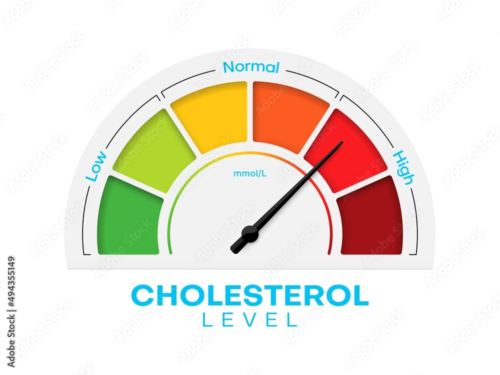
Understanding Your Cholesterol Numbers
The unit of measurement for cholesterol is milligrams (mg) per deciliter (dL) of blood. Here’s what the numbers mean:
1. LDL Cholesterol Levels
- Optimal: Less than 100 mg/dL
- Near Optimal/Above Optimal: 100-129 mg/dL
- Borderline High: 130-159 mg/dL
- High: 160-189 mg/dL
- Very High: 190 mg/dL and above
2. HDL Cholesterol Levels
- Low (Risky): Less than 40 mg/dL (men) or less than 50 mg/dL (women)
- Higher (Protective): 60 mg/dL and above
3. Total Cholesterol Levels
- Desirable: Less than 200 mg/dL
- Borderline High: 200-239 mg/dL
- High: 240 mg/dL and above
4. Triglyceride Levels
- Normal: Less than 150 mg/dL
- Borderline High: 150-199 mg/dL
- High: 200-499 mg/dL
- Very High: 500 mg/dL and above
Why Cholesterol Matters
High cholesterol can lead to atherosclerosis, a condition where cholesterol builds up in the arteries, making them narrow and hard. This can restrict blood flow and lead to serious health issues, including:
- Heart Attack: If a cholesterol plaque ruptures, it can form a blood clot that blocks blood flow to the heart.
- Stroke: A clot can also block blood flow to the brain.
- Peripheral Artery Disease (PAD): Narrowed arteries can reduce blood flow to limbs, causing pain and other complications.
Factors Affecting Cholesterol Levels
Several factors can influence your cholesterol levels, including:
- Diet: Consuming saturated fats, trans fats, and cholesterol-rich foods can raise your cholesterol levels.
- Weight: Being overweight can increase LDL cholesterol and decrease HDL cholesterol.
- Physical Activity: Lack of exercise can lead to weight gain and higher cholesterol levels.
- Smoking: Smoking reduces HDL cholesterol and destroys blood vessels.
- Age and Gender: Cholesterol levels typically increase with age. Women may experience higher cholesterol levels after menopause.
- Genetics: Family history can play a role in your cholesterol levels, as some people inherit genes that cause high cholesterol.
Managing Cholesterol Levels
Managing cholesterol involves lifestyle changes and, in some cases, medication. Here are some effective strategies:
1. Healthy Diet
- Reduce Saturated and Trans Fats: Limit foods high in saturated fats (like red meat and full-fat dairy) and trans fats (found in some baked goods and fried foods).
- Increase Fiber: Foods high in soluble fiber, such as oats, fruits, and vegetables, can help lower LDL cholesterol.
- Choose Healthy Fats: Choose unsaturated fats such as olive oil, avocado, and almonds.
2. Regular Exercise
Participate in at least 150 minutes of moderate-intensity aerobic activity or 75 minutes of intense activity per week. Exercise can help raise HDL cholesterol while lowering LDL cholesterol.
3. Maintain a Healthy Weight
Losing excess weight can help improve cholesterol levels.
4. Quit Smoking
Quitting smoking benefits both HDL cholesterol levels and overall heart health.
5. Limit Alcohol Consumption
Excessive alcohol intake can increase triglyceride levels. If you drink, do so in moderation.
6. Medications
If lifestyle changes aren’t enough, your doctor may prescribe medications such as statins to help manage your cholesterol levels.
Understanding your cholesterol levels is the first step toward maintaining your heart health. Regular check-ups and a healthy lifestyle can dramatically lower your risk of heart disease and other issues caused by high cholesterol. If you are concerned about your cholesterol levels, consult with your doctor to design a plan that is best for you. Remember that even simple modifications to your food, exercise routine, and lifestyle can significantly improve your cholesterol levels and general health.