When we talk about fitness, most people immediately think about strength, weight loss, or building muscles. But one of the most important parts of being fit is something many often ignore—flexibility. Flexibility is not just for athletes or yoga lovers; it is something everyone needs, no matter your age or fitness level.
Think of your body like a machine. If the parts can move freely and smoothly, the machine works efficiently. But if something is tight or stuck, even small tasks become hard. That’s exactly how your body works. Good flexibility allows your muscles and joints to move easily, improves your posture, reduces pain, and even makes daily activities like bending, reaching, or lifting much easier.
Flexibility also plays a huge role in preventing injuries. When your muscles and joints are loose, your body can handle sudden movements or stretches without strain. Without flexibility, even simple exercises or everyday movements can cause discomfort or long-term problems.
In this blog, we will dive deeper into what flexibility means in fitness, explore its many benefits, and show you simple, practical steps to improve it. By the end, you’ll understand why flexibility is just as important as strength or endurance, and how including it in your fitness routine can make your body healthier, stronger, and more agile.
What is Flexibility in Fitness?
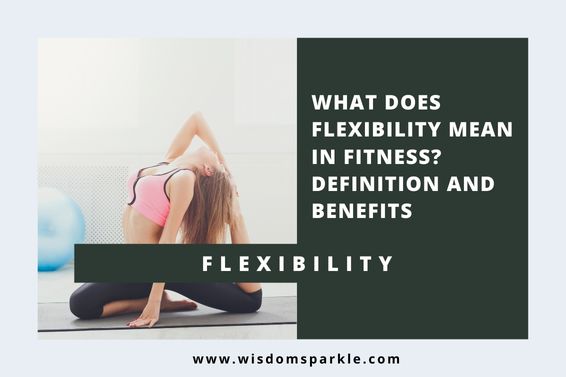
Flexibility is the ability of your muscles and joints to move through their full range of motion without pain or stiffness. In simple words, it means how easily your body can stretch, bend, and move. The more flexible your muscles and joints are, the easier it is to perform everyday activities, from reaching for something on a high shelf to bending down to tie your shoes.
Think of it like this: if you can bend forward to touch your toes, twist your body, or move your arms and legs freely without discomfort, you have good flexibility. On the other hand, if you feel tightness, stiffness, or strain while moving—even during simple tasks—your flexibility needs some attention.
Flexibility is not about being able to do splits, contortions, or extreme yoga poses—it’s about keeping your body loose, mobile, and pain-free. It helps your muscles and joints work efficiently and reduces the risk of injuries. For example:
- Bending to lift a bag or child becomes easier.
- Sitting for long hours at a desk causes less stiffness.
- Daily chores like cleaning, gardening, or reaching overhead feel effortless.
- Exercises and workouts become safer and more effective.
In short, flexibility is about freedom of movement. It’s the difference between feeling restricted and stiff versus moving comfortably, feeling light, and enjoying your body’s natural capabilities.
Types of Flexibility
Flexibility can be divided into a few types, and knowing them helps you understand your body better and choose the right exercises. Here’s a closer look at each type:
1. Static Flexibility
This is your ability to stretch a muscle or joint without moving. For example, reaching forward to touch your toes while standing still or holding a stretch like the butterfly pose. Static flexibility helps improve your posture and reduces stiffness in muscles. It’s the kind of flexibility you usually train with slow, steady stretches. People often use static stretches after workouts to cool down and relax their muscles.
2. Dynamic Flexibility
This is your ability to move muscles and joints through a full range of motion while moving. For example, swinging your arms or legs while walking, running, or doing exercises like leg swings before a workout. Dynamic flexibility helps your body prepare for movement, improves coordination, and reduces the risk of injury during sports or active tasks. It’s like warming up your muscles and joints so they can move easily.
3. Active Flexibility
This is your ability to stretch a muscle using your own strength, without help from anyone or anything. For example, lifting your leg high and holding it without assistance. Active flexibility is great for building control over your muscles, improving balance, and increasing strength in stretched positions. It’s especially useful for athletes, dancers, and people practicing yoga or martial arts.
4. Passive Flexibility
This is your ability to stretch a muscle with the help of another force, like a partner, a band, or gravity. For example, someone helping you stretch your hamstrings or using a yoga strap to reach your toes. Passive flexibility allows you to go deeper into stretches safely, improves joint mobility, and helps muscles relax. It’s perfect for cooling down after workouts or enhancing your overall flexibility gradually.
Understanding these types of flexibility helps you choose the right exercises for your goals. For example:
- If you want to improve posture, focus on static stretches.
- If you want to prepare your body for running or sports, include dynamic stretches.
- If you want stronger control and balance, practice active flexibility.
- If you want to go deeper into stretches safely, use passive flexibility techniques.
By combining these types in your daily routine, you can achieve better mobility, reduced injuries, and a body that feels light, strong, and free to move.
Why is Flexibility Important in Fitness?
Flexibility is often overlooked, but it is one of the key pillars of fitness. Here’s why it matters:
1. Prevents Injuries
When your muscles and joints are flexible, they are less likely to get strained during workouts or daily activities. Tight muscles are more prone to tears, sprains, or pain.
2. Improves Posture
Poor posture often comes from tight muscles in your back, neck, and shoulders. Flexibility exercises help loosen these areas, improving your posture naturally.
3. Increases Range of Motion
A flexible body moves more freely. This is helpful not only in workouts but also in daily life. Reaching high shelves, bending to pick things up, or even tying your shoes becomes easier.
4. Reduces Muscle Soreness
Stretching and flexibility exercises after workouts help your muscles recover faster. They reduce stiffness and make you feel lighter and more energetic.
5. Enhances Athletic Performance
Athletes know the value of flexibility. It improves balance, coordination, and power. Whether you run, swim, play football, or do yoga, flexibility makes movements smoother and more effective.
6. Promotes Relaxation
Stretching exercises release tension in your muscles and help you relax. They reduce stress and make your mind calm, which is an important part of overall fitness.
How to Improve Flexibility
Improving flexibility does not need fancy equipment or hours in the gym. Simple, consistent steps work wonders:
1. Stretch Daily
Spend at least 5–10 minutes every day stretching major muscle groups—legs, back, shoulders, and arms.
- Forward bend to stretch hamstrings
- Shoulder stretches
- Side stretches
- Neck stretches
2. Try Yoga or Pilates
Yoga and Pilates are excellent for flexibility. Poses like downward dog, cobra, or cat-cow stretch your muscles gently and improve joint mobility.
3. Warm-Up Before Exercise
Always warm up your muscles before workouts. Light cardio, arm swings, or leg kicks increase blood flow and prepare muscles for movement.
4. Focus on Major Muscle Groups
Target muscles that are tight or commonly used. For example, if you sit all day, focus on hip flexors, lower back, and shoulders.
5. Hold Your Stretches
Hold each stretch for 15–30 seconds. Don’t bounce or force your body. Stretching slowly and steadily works best.
6. Use Tools if Needed
Resistance bands, foam rollers, or yoga straps can help deepen your stretches and improve flexibility safely.
7. Be Consistent
Flexibility improves slowly. Daily effort and patience are the keys. Don’t expect instant results—your body needs time to adapt.
Tips for Safe Flexibility Training
Flexibility exercises are very helpful, but doing them safely is important to prevent injuries and get the best results. Here are some expanded tips:
1. Never stretch to the point of pain
A mild pull or tension in your muscles is okay, but sharp pain is a warning sign. Stretching should feel gentle and controlled. If something hurts, stop immediately and try a smaller range of motion. Remember, slow and steady is always better than forcing a stretch.
2. Breathe deeply while stretching
Your muscles relax more when you take deep breaths. Inhale slowly through your nose, hold for a second, and exhale through your mouth. Deep breathing also helps you focus, reduces stress, and improves blood flow to the muscles. Don’t hold your breath while stretching—it can make your muscles tense and less effective.
3. Drink water to stay hydrated
Hydration is key for muscle flexibility. When your body is dehydrated, muscles become tight and more prone to injury. Drink water before, during, and after your stretches or workouts to keep your muscles soft and responsive.
4. Listen to your body
Every person’s body is different. Some muscles might be tight, others more flexible. Pay attention to how your body feels. Avoid overstretching, especially if you have an injury or soreness. If needed, modify the stretch or skip it until your body feels ready.
5. Warm up before stretching
Always do a light warm-up before deep stretches. Simple movements like walking, jogging, or arm swings increase blood flow and make your muscles more pliable. Stretching cold muscles can lead to strains or discomfort.
6. Stretch regularly, not just occasionally
Consistency matters more than intensity. Short, daily stretching sessions are more effective than occasional long sessions. Even 5–10 minutes every day helps your muscles stay loose and joints mobile.
7. Use props if needed
Yoga blocks, straps, or resistance bands can help you stretch safely and reach deeper without overstraining. These tools are especially useful for beginners or people with limited mobility.
8. Include both static and dynamic stretches
Static stretches (holding a position) are great after workouts, while dynamic stretches (moving stretches) are better before exercising. Using both types keeps your body balanced, flexible, and ready for movement.
9. Cool down after workouts
After intense exercise, your muscles tighten. Ending with gentle stretches prevents stiffness, promotes relaxation, and improves overall flexibility.
10. Be patient and enjoy the process
Flexibility doesn’t improve overnight. Your muscles and joints need time to adapt. Celebrate small improvements and enjoy the process—it’s about feeling better in your body, not perfect poses.
Benefits of Good Flexibility in Daily Life
Flexibility is not just for fitness—it helps in everyday life too. Here’s how it makes a real difference:
- Easier Movement: Picking up items from the floor, bending to tie your shoes, reaching for shelves, or twisting while doing chores becomes much simpler when your muscles and joints are flexible. Daily activities feel less tiring and less painful.
- Better Balance: Flexibility improves coordination and balance, which is especially important for seniors. It reduces the risk of falls and injuries while walking, climbing stairs, or doing simple household tasks.
- Reduced Back Pain: Tight muscles in the hips, lower back, and hamstrings often cause discomfort and stiffness. Regular flexibility exercises keep these muscles loose, reducing back pain and making sitting or standing for long periods more comfortable.
- Relaxation and Stress Relief: Stretching and gentle movements release tension stored in muscles. This not only relaxes your body but also calms your mind. After a long day, simple stretches can help you unwind and feel refreshed.
- Improved Confidence: When your body moves freely, you feel lighter and more energetic. This boosts your confidence, improves posture, and helps you carry yourself gracefully in social and professional settings.
- Better Athletic Performance: Flexibility allows you to move efficiently during sports or workouts. Whether it’s running, swimming, or dancing, loose muscles and mobile joints enhance your performance and reduce fatigue.
- Joint Health: Flexible muscles support your joints, reducing stiffness and the chances of injuries like sprains. This is especially helpful for knees, hips, and shoulders, which often experience strain during daily movements.
- Enhanced Circulation: Stretching and moving muscles improve blood flow. Better circulation means more oxygen and nutrients reach your muscles, keeping them healthy and reducing soreness.
- Aging Gracefully: As we age, muscles naturally tighten, and mobility decreases. Regular flexibility exercises help maintain independence, making everyday activities easier and reducing the risk of falls or joint problems.
- Mind-Body Connection: Flexibility exercises, like yoga or stretching routines, improve your awareness of your body. You learn how to move safely, prevent injuries, and understand your physical limits.
Simple Flexibility Exercises for Beginners
Here are a few exercises anyone can start with at home to improve flexibility:
1. Hamstring Stretch:
Sit on the floor and stretch your legs straight out in front of you. Slowly reach forward to touch your toes. Hold for 20–30 seconds, breathing deeply. This stretch helps loosen your hamstrings and lower back.
2. Cat-Cow Stretch:
Get on your hands and knees. Take a deep breath in to arch your back into Cow Pose, then exhale to round your back into Cat Pose. Repeat 8–10 times. It increases spinal flexibility and relaxes tight muscles in your back and neck.
3. Shoulder Stretch:
Pull one arm across your chest and hold it with your other arm for 20–30 seconds. Switch sides. This helps release tension in your shoulders and upper back.
4. Triceps Stretch:
Raise one arm overhead, bend it at the elbow, and gently pull it with your other hand. Hold for 20–30 seconds, then switch arms. This improves flexibility in the arms and shoulders.
5. Hip Flexor Stretch:
Step one foot forward into a lunge position and gently push your hips downward. Hold for 20–30 seconds on each side. This stretches tight hip flexors, which are common if you sit for long hours.
6. Seated Spinal Twist:
Sit on the floor with legs extended. Bend your right knee and place your right foot across your left thigh. Twist your torso to the right, placing your left elbow outside your bent knee. Hold for 20–30 seconds and switch sides. This improves spinal mobility and helps relieve lower back tension.
7. Side Stretch:
Stand with your feet shoulder-width apart. Raise one arm overhead and softly lean to the other side. Hold for 20–30 seconds, then switch sides. This stretches your sides, obliques, and waist muscles.
8. Calf Stretch:
Stand facing a wall, place your hands on it, and take one step back. Keep your heel on the floor and lean forward slightly. Hold for 20–30 seconds, then switch sides. This helps loosen tight calves and improves ankle mobility.
9. Chest Stretch:
Stand straight, hold your hands behind your back, and gently lift your arms to open your chest. Hold for 20–30 seconds. This helps counteract tight chest muscles from sitting or hunching forward.
10. Neck Stretch:
Sit or stand tall, turn your head to one side, and bring your ear to your shoulder. Hold for 15–20 seconds, then switch sides. This relieves tension in your neck and shoulders.
💡 Tips:
- Breathe slowly and deeply during each stretch.
- Hold each stretch gently—never force your body.
- Perform these exercises daily for best results. Even 10–15 minutes a day can significantly improve flexibility over time.
- Combine these stretches with light movement, like walking or gentle yoga, for overall mobility.
Doing these exercises consistently will help reduce stiffness, improve posture, increase joint mobility, and make your body feel lighter and more energized.
Final Thoughts
Flexibility is one of the most overlooked but important parts of fitness. It helps your body move freely, prevents injuries, improves posture, reduces pain, and makes daily life easier. The good news is that flexibility can be improved at any age, with simple daily exercises and stretching routines. Even a few minutes each day can make a significant effect over time.
Remember, fitness is not just about how much weight you can lift or how fast you can run—it’s about how well your body moves and feels. When your muscles and joints are flexible, simple activities like bending, reaching, or twisting become easier. Tasks that once felt tiring, like cleaning, carrying groceries, or playing with kids, start to feel lighter and more comfortable.
Start with small stretches, be consistent, and slowly challenge your body. For example, if touching your toes feels difficult today, practice gently every day, and soon you’ll reach further without pain. Over time, you’ll see not only physical benefits but also improved confidence, energy, and mental well-being. A flexible body makes you feel agile, strong, and ready to take on daily challenges with ease.
In addition to physical benefits, flexibility also boosts mental health. Stretching and mindful movement release tension, reduce stress, and improve focus. When your body feels free, your mind feels free too. It’s a reminder that taking care of yourself is not just about looking fit but also about feeling good from the inside out.
So, if you want to improve your fitness journey, don’t ignore flexibility—it is the key to moving better, feeling better, and living better. Make it a part of your daily routine, and you’ll notice how your body becomes more comfortable, your movements more graceful, and your everyday life more enjoyable. Remember: small, consistent steps lead to big results.
Flexibility is not a destination—it’s a lifelong practice. The more you work on it, the more your body rewards you with freedom, strength, and vitality. Start today, stay consistent, and let your body show you what it’s capable of.