
If you’ve recently had dental surgery — maybe a wisdom tooth removal, root canal, or gum treatment — you probably know how tender your mouth feels right now. Even the thought of chewing something crunchy can make you wince a little, right? That’s completely normal. Your gums and jaw need a little rest and a lot of gentle care to heal properly.
During this time, what you eat plays a big role in how fast you recover. But let’s be honest — eating plain soup or boring mush every day doesn’t sound very exciting. The good news is, you don’t have to! There are plenty of soft, soothing, and tasty foods that will keep you full, energized, and comfortable while your mouth heals.
Think creamy soups, smooth yogurts, soft rice, and warm mashed potatoes — foods that melt in your mouth and don’t make you struggle to chew. These meals are not only easy to eat but also rich in nutrients that your body needs to recover quickly.
In this blog, we’ll explore 50 soft foods that are gentle on your gums, kind to your teeth, and still full of flavor. Whether you’re craving something savory or sweet, light or filling, you’ll find lots of options here to make your healing days a little easier — and much more delicious!
So grab a spoon, sit back, and let’s make eating after dental surgery simple, soothing, and enjoyable.
Why You Need Soft Foods After Dental Surgery
After any kind of dental surgery, your mouth goes through a healing process. Your gums, teeth, and the tissues around them become very sensitive. Even small pressure or chewing can cause pain or discomfort. That’s why choosing soft foods is not just about comfort — it’s about helping your mouth recover safely and quickly.
When you eat the right soft foods, you give your mouth the break it needs. Hard or crunchy foods can scratch the healing areas, disturb stitches, or even reopen wounds. Soft foods, on the other hand, protect your mouth while still giving your body the energy and nutrients it needs.
Here’s why soft foods are your best choice during recovery:
- 🩵 They are gentle on your teeth and gums, so you can eat without pain or pressure.
- 💧 They help you avoid irritation, bleeding, or swelling, keeping your mouth calm and comfortable.
- 🍚 They are easy to chew, swallow, and digest, which makes mealtime peaceful and stress-free.
- 🥣 They help you stay hydrated and nourished, even if you can’t eat your usual meals.
- 🌿 They give your body the strength to heal faster, by providing vitamins, protein, and minerals in an easy-to-eat way.
Soft foods don’t just fill your stomach — they actually support your recovery from the inside out. Every spoonful gives your body a gentle push toward healing, while keeping you comfortable and satisfied.
Remember, this is just a temporary phase. Once your gums and jaw feel stronger, you can slowly return to your favorite crunchy meals again. But for now, soft, soothing foods are your best friends.
General Tips for Eating After Dental Surgery
Before we jump into the list of delicious soft foods, let’s take a moment to talk about how you should eat after your dental surgery. A few simple habits can make a big difference in how fast and comfortably you heal.
- Avoid very hot food or drinks.
When your mouth is healing, it’s more sensitive than usual. Hot soups, coffee, or tea might feel comforting, but they can actually irritate your gums or disturb blood clots that help your wounds heal. Go for lukewarm or room-temperature meals — gentle warmth feels soothing and safe. - Stay away from spicy or acidic foods.
Foods with too much spice or acid, like chili, lemon, or vinegar, can sting your healing gums and cause a burning sensation. It’s best to choose mild, plain, and non-spicy meals for a few days until your mouth feels stronger. - Skip crunchy or hard foods.
Chips, nuts, toast, crackers, or raw veggies might seem harmless, but they can scratch your gums or get stuck in surgical areas. Even small crumbs can cause irritation. Stick to soft, mushy, or blended foods until your dentist says it’s okay to chew again. - Use a spoon — not a straw.
This is very important! When you drink through a straw, the suction can loosen or remove the blood clot that forms where your tooth was removed. This can lead to a painful condition called dry socket. So always sip slowly with a spoon or directly from a cup. - Keep your meals small and frequent.
Instead of three big meals, eat small portions every few hours. It helps your body absorb nutrients better and keeps your energy up without putting too much pressure on your mouth. - Chew on the opposite side of your mouth.
If your surgery was on one side, use the other side to chew whenever possible. This reduces the chance of disturbing the healing area or getting food stuck near the stitches. - Keep your mouth clean after meals.
Gently rinse with warm salt water (only if your dentist recommends it) after eating. It helps remove food particles and keeps your mouth fresh and infection-free. - Take your time while eating.
Don’t rush! Eat slowly and let your food cool down a bit. Slow eating keeps you from biting your tongue or irritating your gums accidentally. - Stay hydrated.
Drink plenty of water throughout the day to keep your mouth moist and help your body heal faster. Just remember — no straws! - Listen to your body.
If something hurts or feels uncomfortable, stop eating it. Every person’s healing process is different. It’s okay to take a few extra days before returning to your regular diet.
Eating carefully after dental surgery is just as important as the food you choose. When you eat gently and mindfully, your recovery becomes easier, smoother, and faster.
Now, let’s explore the foods you can enjoy safely!
🍌 50 Soft Foods to Eat After Dental Surgery
🥛 1–10: Smooth and Creamy Foods
When chewing feels tough, smooth foods are your best friends.
- Mashed Potatoes – Creamy, warm, and easy to eat. You can add a little butter or milk.
- Greek Yogurt – High in protein, smooth in texture, and cooling for your mouth.
- Applesauce – Soft, slightly sweet, and gentle on sore gums.
- Oatmeal or Porridge – Warm, filling, and full of fiber. Let it cool before eating.
- Custard – Soft, sweet, and comforting.
- Smoothies – Blend fruits like banana, mango, or berries with yogurt or milk.
- Pudding – Perfect dessert for a sore mouth, light and smooth.
- Cottage Cheese – Soft, rich in protein, and pairs well with fruit puree.
- Scrambled Eggs – Soft, fluffy, and easy to chew.
- Cream of Wheat – A smooth cereal that’s gentle and filling.
🍲 11–20: Soups and Broths
Soups are warm, healing, and nourishing. Avoid chunky ones; go for smooth textures.
- Tomato Soup – Mild and easy to swallow (avoid too spicy).
- Pumpkin Soup – Naturally sweet and rich in vitamins.
- Carrot Soup – Smooth, colorful, and packed with beta-carotene.
- Chicken Broth – Light but comforting; great for hydration.
- Vegetable Broth – A warm, soothing option for any time of day.
- Lentil Soup – Soft and protein-packed; make sure it’s well-blended.
- Sweet Corn Soup – Creamy and easy on the teeth.
- Pea Soup – Tasty and nutritious, with a silky texture.
- Mushroom Soup – Smooth, earthy flavor that feels hearty.
- Butternut Squash Soup – Creamy and naturally sweet – gentle and healthy!
🥔 21–30: Soft Savory Meals
You can still enjoy meals — just choose softer versions!
- Soft Rice or Khichdi – Light, filling, and very easy to eat.
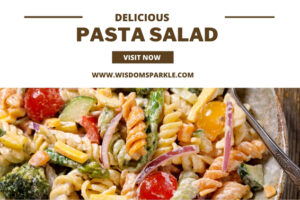
- Soft Pasta or Macaroni – Cook until extra tender; add soft cheese sauce.
- Soft Noodles – Slippery and easy to swallow; avoid spicy sauces.
- Steamed Fish – Tender, flaky, and rich in protein.
- Soft Tofu – Smooth and high in protein – perfect for vegetarians.
- Mashed Sweet Potato – Naturally sweet and very soft.
- Boiled or Mashed Carrots – Mild and gentle for your mouth.
- Soft Cooked Lentils (Dal) – Great Indian comfort food for healing days.
- Soft Idli or Dhokla – Light, spongy, and easy to digest.
- Well-Cooked Oats Upma – Soft and healthy option for breakfast or dinner.
🍌 31–40: Soft Fruits and Desserts
Fruits are full of vitamins that help healing, but choose ones that don’t require much chewing.
- Bananas – The perfect soft fruit for quick energy.
- Ripe Avocado – Creamy texture that’s rich in healthy fats.
- Steamed Apple – Soft and sweet after light steaming.
- Mango Pulp – Smooth and full of natural sweetness.
- Papaya – Naturally soft and good for digestion.
- Ripe Pear (mashed) – Gentle and soothing for gums.
- Fruit Puree – Blend soft fruits together for a refreshing snack.
- Soft Berries (mashed) – Like strawberries or raspberries, easy and healthy.
- Jelly – Wobbly, fun to eat, and soothing on the mouth.
- Ice Cream (no chunks) – Cool, soft, and relieves pain temporarily.
🍚 41–50: Protein and Comfort Foods
Protein helps your tissues heal faster. These foods are both soft and nourishing.
- Soft Paneer (Cottage Cheese) – Mild, easy to chew, and protein-rich.
- Soft Dalia (Broken Wheat Porridge) – Nutritious and easy on digestion.
- Kheer (Rice Pudding) – Sweet, creamy, and gentle.
- Soft Poha – Light and filling when cooked extra soft.
- Mashed Chickpeas – Smooth and full of fiber and protein.
- Soft Lentil Pancakes (Moong Dal Chilla) – Only if very soft and non-spicy.
- Soft Semolina Halwa (Sooji Halwa) – Sweet, warm comfort food.
- Soft Rice Porridge (Congee) – Popular healing food across Asia.
- Soft Bread Soaked in Milk or Soup – Gentle and easy to swallow.
- Soft Polenta or Creamed Corn – Smooth, warm, and flavorful comfort food.
💧 Staying Hydrated
Don’t forget hydration! After dental surgery, it’s easy to skip drinking water because your mouth feels sore. But your body needs fluids to heal. Drink:
- Plain water
- Coconut water
- Herbal tea (lukewarm)
- Diluted fruit juice (no citrus)
- Milk or protein shakes
Avoid carbonated drinks, alcohol, or anything with a straw.
Foods to Avoid After Dental Surgery
To protect your healing gums, avoid these foods for a few days:
- Crunchy foods (chips, popcorn, nuts)
- Hard fruits and veggies (apples, carrots, cucumbers)
- Spicy or acidic foods (pickles, citrus fruits)
- Hot beverages or soups
- Chewy meats or crusty bread
- Sugary candies or gum
These foods can cause pain or even open your stitches.
Healing Tips Along with Eating Soft Foods
Eating the right foods is only one part of recovery. Follow these extra tips to heal smoothly:
- Rinse your mouth gently with salt water after meals (if your dentist allows).
- Avoid smoking or alcohol during healing.
- Keep your head elevated while sleeping to reduce swelling.
- Take prescribed medicine as per your dentist’s advice.
- Be patient – healing takes time, and soft foods make it easier.
Final Thoughts
Before we jump into the list of delicious soft foods, let’s take a moment to talk about how you should eat after your dental surgery. A few simple habits can make a big difference in how fast and comfortably you heal.
- Avoid very hot food or drinks.
When your mouth is healing, it’s more sensitive than usual. Hot soups, coffee, or tea might feel comforting, but they can actually irritate your gums or disturb blood clots that help your wounds heal. Go for lukewarm or room-temperature meals — gentle warmth feels soothing and safe. - Stay away from spicy or acidic foods.
Foods with too much spice or acid, like chili, lemon, or vinegar, can sting your healing gums and cause a burning sensation. It’s best to choose mild, plain, and non-spicy meals for a few days until your mouth feels stronger. - Skip crunchy or hard foods.
Chips, nuts, toast, crackers, or raw veggies might seem harmless, but they can scratch your gums or get stuck in surgical areas. Even small crumbs can cause irritation. Stick to soft, mushy, or blended foods until your dentist says it’s okay to chew again. - Use a spoon — not a straw.
This is very important! When you drink through a straw, the suction can loosen or remove the blood clot that forms where your tooth was removed. This can lead to a painful condition called dry socket. So always sip slowly with a spoon or directly from a cup. - Keep your meals small and frequent.
Instead of three big meals, eat small portions every few hours. It helps your body absorb nutrients better and keeps your energy up without putting too much pressure on your mouth. - Chew on the opposite side of your mouth.
If your surgery was on one side, use the other side to chew whenever possible. This reduces the chance of disturbing the healing area or getting food stuck near the stitches. - Keep your mouth clean after meals.
Gently rinse with warm salt water (only if your dentist recommends it) after eating. It helps remove food particles and keeps your mouth fresh and infection-free. - Take your time while eating.
Don’t rush! Eat slowly and let your food cool down a bit. Slow eating keeps you from biting your tongue or irritating your gums accidentally. - Stay hydrated.
Drink plenty of water throughout the day to keep your mouth moist and help your body heal faster. Just remember — no straws! - Listen to your body.
If something hurts or feels uncomfortable, stop eating it. Every person’s healing process is different. It’s okay to take a few extra days before returning to your regular diet.
Eating carefully after dental surgery is just as important as the food you choose. When you eat gently and mindfully, your recovery becomes easier, smoother, and faster.