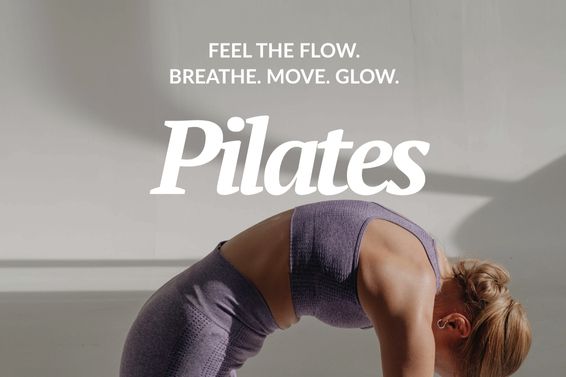
Have you ever heard people talk about Pilates and wondered what it really is? Some say it’s like yoga, while others call it a gentle workout that strengthens your core. But Pilates is much more than just slow movements or stretches. It’s a smart and mindful way of exercising that connects your mind and body together.
Pilates is designed to help you move better, feel lighter, and grow stronger without stressing your joints. It teaches you how to control your body through each movement while focusing on your breathing. This makes it not only a physical workout but also a mental one.
One of the best things about Pilates is that it’s for everyone. Whether you are young or old, beginner or advanced, male or female — Pilates can be easily adapted to suit your level. You don’t need to be flexible or super fit to start. All you need is a mat, some time, and the willingness to improve yourself.
Pilates helps you gain strength from the inside out. It tones your muscles, improves your posture, and helps you move gracefully in everyday life. Over time, you’ll notice that you walk taller, feel more confident, and stay calm even on stressful days.
Another amazing part of Pilates is that it makes you more aware of your body. You start noticing how you sit, stand, and move. This awareness helps you prevent injuries and improve balance and coordination.
If you often feel tired, stiff, or low on energy, Pilates can be a beautiful way to bring back your body’s natural rhythm. It’s gentle, effective, and gives long-lasting results when practiced regularly.
In this blog, let’s take a deep look at what Pilates really means, how it works, and how it can change your body, mind, and life for the better.
What Is Pilates?
Pilates is a type of exercise that mainly focuses on strengthening your body from the inside out, especially your core muscles — the area that includes your abdomen, lower back, hips, and pelvis. These muscles serve as the foundation of your body. When your core is strong, it supports your spine, maintains your posture straight, and allows you to move comfortably in whatever you do, from walking and sitting to lifting and bending.
But Pilates isn’t only about building a strong core. It’s also about balance, flexibility, posture, and body control. Every movement in Pilates is done slowly and carefully, making sure that you are using the right muscles in the right way. That’s why it’s often called a “mindful workout.” You don’t just move — you think while you move.
The method was created by Joseph Pilates, a German fitness trainer, in the early 20th century. He believed that physical health and mental health are deeply connected. During World War I, Joseph Pilates started developing his method to help injured soldiers regain strength and mobility without straining their bodies. He later moved to New York and opened a studio, where dancers, athletes, and everyday people started practicing his techniques to improve flexibility, strength, and body control.
Over time, Pilates became popular across the world because it’s gentle yet powerful. It’s not about lifting heavy weights or doing fast movements. Instead, it’s about precision, breathing, and control — things that help you feel more balanced and in tune with your body.
There are two main ways to practice Pilates:
- Mat Pilates – This is the simplest and most common form. It’s done on a mat similar to a yoga mat, using your own body weight for resistance. You don’t need any special machines — just space, a mat, and focus. The exercises target your core, legs, and back, while also improving coordination and breathing.
- Reformer Pilates – This uses a special machine called the Reformer, which has springs, ropes, and pulleys to create resistance. The machine might look complicated at first, but it’s designed to support your body and help you move smoothly. Reformer Pilates gives a deeper workout and is often used by professional trainers or in studios.
Apart from these, there are other variations too, like Clinical Pilates, which is used in physiotherapy for injury recovery, and Contemporary Pilates, which blends modern fitness science with Joseph Pilates’ original techniques.
What makes Pilates special is that it can be customized for everyone. If you are new to fitness, you can start slow with beginner-friendly mat exercises. If you are an athlete, you can make it more challenging by adding resistance or combining it with other forms of training.
Pilates is about more than simply the body; it also involves the mind. When you practice regularly, you become more aware of your movements and breathing. It teaches patience, focus, and calmness. Many people say that after a Pilates session, they not only feel stronger but also lighter and more peaceful inside.
In short, Pilates is a complete workout that helps you move better, stand taller, and feel healthier — not just physically, but mentally too.
The Main Principles of Pilates
Pilates isn’t just about moving your body — it’s about how you move it. Every stretch, lift, and breath has a purpose. The magic of Pilates lies in its six main principles, which make this exercise so mindful and effective. Let’s look at each one closely and understand how it helps your body and mind work together.
1. Concentration
In Pilates, your mind is as important as your body. You need to focus fully on what you’re doing. It’s not about rushing through exercises but about being present in each movement.
When you concentrate, you begin to notice small details — how your muscles engage, how your spine moves, and how your breathing supports your posture. This awareness helps you move correctly and safely. Over time, you’ll find that your focus in daily life also improves. Pilates teaches you to slow down, pay attention, and move with purpose — both on the mat and off it.
2. Control
Joseph Pilates once remarked, “Contrology is the complete coordination of body, mind, and spirit.” Control is one of Pilates’ most crucial elements. Every exercise is done with careful, steady control — never fast or careless.
When you move with control, your body becomes stable, your joints are protected, and your muscles work in harmony. Instead of letting momentum do the job, you stay in charge of every movement. This not only builds physical strength but also teaches discipline and patience.
In Pilates, it’s better to do five controlled repetitions perfectly than twenty done quickly and incorrectly. The goal is quality, not quantity.
3. Centering
Your core, often known as the “powerhouse,” serves as the focal point of every Pilates movement. It includes your abdominal muscles, lower back, hips, and pelvic floor — the parts that hold your body strong and steady.
In every Pilates exercise, you begin by engaging your center first. Whether you’re lifting your legs, twisting your torso, or simply breathing deeply, it all starts from your powerhouse.
When your center is strong, your whole body moves more efficiently. You stand taller, walk better, and feel more confident. Think of your core as your body’s anchor — it keeps everything balanced and supported.
4. Breathing
Breathing is the heart of Pilates. It might sound simple, but many of us forget to breathe properly during exercise. In Pilates, breathing is done with awareness — deep, controlled, and connected to each movement.
When you inhale deeply, you fill your lungs completely and expand your ribs. When you exhale, you pull your belly in and activate your core muscles. This rhythm helps release tension, improve oxygen flow, and make your movements smoother.
Proper breathing also helps you relax and focus. It connects your mind with your body, creating a calm and peaceful feeling even while you’re working hard. Over time, you’ll notice that breathing this way improves your stamina, posture, and energy levels throughout the day.
5. Precision
Pilates is not about doing too many exercises — it’s about doing each one with precision. Every move has a purpose, and each position has to be done correctly to get the full benefit.
When you practice precision, you train your body to move efficiently and avoid mistakes that can cause pain or injury. It’s about being aware of every detail — where your hands are placed, how your spine is aligned, and how your muscles feel during the movement.
This attention to detail builds stronger, leaner muscles and improves coordination. It also makes you more mindful in other activities, like walking, sitting, or even typing on your laptop.
6. Flow
The final principle is flow — moving gracefully from one exercise to another without jerky or sudden stops. Pilates isn’t about rushing, but it’s also not about staying still too long. It’s a continuous, smooth rhythm that keeps your body balanced and your mind focused.
When your movements flow naturally, you feel lighter and more connected. It almost feels like a dance — your body moves with ease, and your breathing guides each transition.
Flowing movements not only make your workout more enjoyable but also teach you how to move gracefully in your everyday life — whether you’re walking, bending, or reaching for something.
Why These Principles Matter
These six principles — concentration, control, centering, breathing, precision, and flow — are the foundation of Pilates. When you practice them together, your body starts to move in harmony. You feel balanced, strong, and peaceful.
They also remind us that fitness isn’t just about appearance. It’s about feeling connected, confident, and calm from within. Pilates helps you build not just a stronger body but also a stronger mind.
Pilates can be practiced in many ways depending on your comfort, fitness level, and available equipment. But the two main types are Mat Pilates and Reformer Pilates. Both follow the same principles — focus, control, and breathing — but they feel a little different when you do them. Let’s understand both in detail.
Types of Pilates
1. Mat Pilates
Mat Pilates is the most common and beginner-friendly form of Pilates. As the name suggests, it’s done on a mat — similar to a yoga mat but usually a bit thicker to support your back and joints.
You don’t need any fancy equipment for Mat Pilates — just your body, a mat, and focus. It uses your own body weight as resistance, which means every movement you do works multiple muscles at once.
Some common Mat Pilates exercises include the Hundred, Roll-Up, Leg Circles, and Bridge Pose. These exercises strengthen your core, improve flexibility, and help you stay mindful of your posture.
Here’s why Mat Pilates is so loved:
- Beginner-friendly: It’s perfect for anyone who’s just starting their fitness journey.
- Strengthens the core: Most movements focus on your abdominal and back muscles.
- Can be done anywhere: You don’t need to visit a gym or studio — your living room or bedroom floor is enough.
- Improves breathing: You learn how to coordinate breath with movement, which helps you relax and focus.
Over time, Mat Pilates builds deep strength, tones your muscles, and teaches you to move your body more efficiently. It’s simple yet powerful — that’s why so many people fall in love with it.
2. Reformer Pilates
Reformer Pilates is a bit more advanced and usually practiced in studios or under a trainer’s guidance. It’s done using a special machine called a Reformer — a flat, bed-like frame with a sliding carriage, springs, straps, and pulleys.
Don’t let the machine scare you! It’s actually designed to support your body and make your movements smoother. The Reformer adds gentle resistance through its springs, helping you work your muscles more deeply while still protecting your joints.
Reformer Pilates gives a full-body workout — targeting your arms, legs, back, and especially your core. Because of the adjustable resistance, it can be customized for beginners, athletes, and even people recovering from injuries.
Here’s why Reformer Pilates is amazing:
- Adds resistance: The springs make the exercises more challenging and effective.
- Improves posture: It helps you strengthen the muscles that support your spine.
- Enhances flexibility: The smooth movements stretch and lengthen your muscles beautifully.
- Improves focus: You have to pay attention to your breathing and body control.
- Perfect for all levels: Trainers can adjust the springs to make it easy or tough depending on your strength.
Reformer Pilates feels elegant and therapeutic. The sliding motions are smooth and calming, almost like gliding in water. You feel your body stretch and strengthen at the same time — it’s a workout that refreshes both body and mind.
3. Other Popular Forms of Pilates
Apart from Mat and Reformer Pilates, there are a few other variations that have become popular over time:
- Clinical Pilates:
Used in physiotherapy or rehabilitation centers. It focuses on gentle, controlled movements to help people recover from back pain, injuries, or postural problems. - Contemporary Pilates:
A modern version that combines traditional Pilates with updated fitness science. It often includes small equipment like balls, rings, or resistance bands.
- Aerial Pilates:
This fun version is done using soft hammocks hanging from the ceiling. It helps with flexibility, core strength, and balance — and gives you the feeling of floating! - Power Pilates:
A more intense version that adds faster movements and strength exercises for people looking for a higher-energy workout. - Wall Pilates (trending lately):
Done using the wall as support, this style is beginner-friendly and great for home workouts. It helps improve alignment and core stability.
Which Type Is Best for You?
If you’re just starting, Mat Pilates is the best place to begin. It teaches you the basics of breathing, posture, and body control. Once you feel comfortable and want to explore more, you can try Reformer Pilates or other variations.
The most essential thing you can do is listen to your own body. Choose a style that feels comfortable and enjoyable. Pilates isn’t about doing the hardest moves — it’s about feeling good, strong, and balanced.
Remember, no matter which type you choose, the goal is the same — to create a strong, flexible, and peaceful body.
How Pilates Works for Your Body
Pilates may look slow and simple, but it’s powerful. It works on your body in many ways:
1. Strengthens Core Muscles
The primary purpose of Pilates is to develop a strong core. Your core supports your entire body, including your back and posture. A strong core also helps in everyday movements — from walking to lifting things safely.
2. Improves Posture
Many people have poor posture because of sitting too long at desks or using mobile phones. Pilates helps correct that by training your body to align properly.
3. Increases Flexibility
Unlike heavy gym workouts, Pilates gently stretches your muscles. Over time, it makes your body more flexible and reduces stiffness.
4. Builds Long, Lean Muscles
Pilates tones your muscles without making them bulky. That’s why dancers and athletes often include Pilates in their routines.
5. Reduces Back Pain
Because it strengthens your back and core muscles, Pilates can reduce and prevent back pain. It also teaches you how to move your body safely.
6. Improves Balance and Coordination
The controlled movements in Pilates improve your sense of balance and help you move more gracefully.
7. Boosts Mind-Body Connection
Pilates encourages you to focus on your breath and movements, which increases body awareness and reduces stress.
How Pilates Benefits Different People
- For Beginners:
Pilates is gentle and easy to start with. It helps beginners build a foundation of strength and flexibility. - For Office Workers:
Sitting all day can lead to neck and back pain. Pilates stretches tight muscles and relieves tension. - For Athletes:
Athletes use Pilates to improve flexibility, balance, and body control — which helps prevent injuries. - For Older Adults:
Since Pilates is low-impact, it’s perfect for seniors. It improves mobility, posture, and muscle tone without being too hard on joints. - For People Recovering from Injuries:
Pilates is often used in physical therapy because it strengthens the body gently and safely.
Difference Between Pilates and Yoga
People often confuse Pilates with yoga because both involve stretching and focus on breathing. However, they are different in many ways:
Aspect | Pilates | Yoga |
Focus | Strength, posture, and flexibility | Relaxation, balance, and mindfulness |
Origin | Created by Joseph Pilates in the 20th century | Ancient Indian practice |
Breathing | Focuses on breathing during movement | Uses deep breathing for meditation |
Equipment | May use mats or machines like the Reformer | Usually done on a mat only |
Goal | Builds strong core and body alignment | Improves flexibility and inner peace |
Both are amazing — and you can even combine them for best results!
Simple Pilates Exercises You Can Try at Home
If you’re new to Pilates, don’t worry — you don’t need any fancy gym equipment or machines. All you need is a comfortable mat, some quiet space, and the willingness to move with focus and control. Pilates is about quality, not quantity, so even a few slow and mindful movements can make a big difference.
Here are some simple yet powerful Pilates exercises you can easily try at home to strengthen your body and calm your mind:
1. The Hundred
This is one of the most classic Pilates exercises. It warms up your body, strengthens your core, and improves breathing control.
How to do it:
- Rest on your back, bend your knees, and keep your feet comfortably flat on the mat.
- Raise your shoulders, head, and neck off the mat.
- Extend your arms straight beside your body and stretch your legs upward at a 45-degree angle (or keep them bent if you’re a beginner).
- Start pumping your arms up and down slightly while inhaling for 5 counts and exhaling for 5 counts.
- Continue until you complete 10 sets (total 100 arm pumps).
Benefits:
- Strengthens abdominal muscles
- Improves lung capacity and breathing rhythm
- Boosts blood circulation and energy
Tip: Keep your neck relaxed and focus on breathing deeply from your core.
2. Roll-Up
This exercise looks simple but is very effective for stretching your spine and strengthening your abs. It also improves flexibility in your back and hamstrings.
How to do it:
- Lie flat on your back, knees straight, arms extended overhead.
- Inhale deeply.
- As you exhale, slowly roll your body up — one vertebra at a time — until you reach forward to touch your toes.
- Inhale again and gently roll back down to your starting position.
- Repeat this 6–8 times.
Benefits:
- Strengthens your core muscles
- Improves flexibility and control
- Promotes better posture and spinal alignment
Tip: Move slowly — imagine peeling your spine off the mat one bone at a time.
3. Leg Circles
This one helps improve hip mobility and strengthens your legs and core. It’s great for people who sit a lot or feel stiffness in the hips.
How to do it:
- Lie on your back with your arms by your sides and one leg lifted straight up toward the ceiling.
- Keep your other leg flat on the mat.
- Slowly draw small circles in the air with your raised leg — 5 in one direction, then 5 in the other.
- Switch legs and repeat.
Benefits:
- Increases hip flexibility
- Strengthens abdominal muscles and legs
- Improves balance and coordination
Tip: Keep your hips stable and avoid moving your lower back — the movement should come from your leg only.
4. Plank
The plank is one of the best exercises to build overall strength. It engages your entire body — especially your core, shoulders, and arms.
How to do it:
- Start on your hands and knees.
- Stretch your legs back and balance on your toes and hands (or forearms if that’s easier).
- Make sure your body stays in one straight line from your head down to your heels.
- Hold for 20–30 seconds at first, then increase gradually as you get stronger.
Benefits:
- Strengthens the core, arms, and shoulders
- Improves posture
- Builds endurance and stability
Tip: Keep your neck in line with your spine and your stomach pulled in tight — no sagging hips!
5. Bridge Pose
This simple movement strengthens your glutes, lower back, and hamstrings. It’s also great for improving posture and relieving back tension.
How to do it:
- Lie down comfortably on your back with your knees bent and your feet kept slightly apart.
- With the palms facing down, place your arms next to your torso.
- Inhale, and as you exhale, slowly lift your hips up toward the ceiling, keeping your shoulders and feet grounded.
- After a few seconds of holding the position, carefully lower yourself back down.
- Repeat 8–10 times.
Benefits:
- Tones glutes and thighs
- Strengthens lower back muscles
- Improves blood flow and posture
Tip: Squeeze your glutes gently as you lift your hips — don’t force the movement.
6. The Saw (Optional Advanced Move)
Once you’re familiar with the fundamentals, you can try “The Saw.” It is a seated Pilates exercise that extends your spine and strengthens your waist.
How to do it:
- Sit on your mat with your legs stretched wide and arms extended at shoulder height.
- Inhale, and as you exhale, twist your torso to one side and reach your opposite hand toward your little toe — as if you’re sawing your foot.
- Return to the center, then repeat on the other side.
- Do 4–6 reps on each side.
Benefits:
- Stretches the spine and hamstrings
- Improves waist flexibility
- Helps with spinal mobility and posture
Tip: Keep your back straight and avoid rounding your shoulders while twisting.
Important Reminders Before You Start
- Always warm up your body with light stretches before doing Pilates.
- Focus on your breathing — inhale through your nose, exhale through your mouth.
- Move slowly and gently — Pilates is not about speed.
- Don’t worry about perfection — progress comes with practice.
- If you feel any pain (not mild muscle burn, but real pain), stop immediately.
You can do these exercises 3–4 times a week, or even daily if your body feels good. Start with 10–15 minutes and gradually increase the time as your strength grows.
Over time, you’ll notice your body becoming more flexible, your core getting stronger, and your mind feeling calmer. Pilates might look gentle, but it truly transforms your energy, posture, and confidence.
How Often Should You Do Pilates?
You can start with 2–3 sessions per week. As you get used to it, you can increase to 4–5 times a week.
Each session can last 30 to 60 minutes, depending on your fitness level.
The key is to be consistent. Even a few minutes daily can bring noticeable results.
Tips for Beginners
If you’re new to Pilates, don’t worry — everyone starts somewhere. The best thing about Pilates is that it’s gentle, beginner-friendly, and grows with you as you improve. Here are some detailed tips to help you start your Pilates journey the right way:
- Start Slow and Be Patient:
When you begin, your body might feel a bit stiff or shaky — and that’s completely normal! Don’t try to master all the moves in one day. Pilates is about control, not speed. Take your time to learn each move slowly and correctly. The results come with consistency, not rushing. - Focus on the Basics First:
Before you try advanced movements, practice the basic exercises like “The Hundred,” “Leg Circles,” and “Rolling Like a Ball.” These simple exercises build a strong foundation. Once your body gets used to the technique and breathing pattern, you’ll naturally move to more challenging routines. - Wear Comfortable Clothes:
Choose soft, stretchable clothes that let you move freely. Avoid anything too loose because your trainer (or you, if following a video) should be able to see how your body aligns during the exercises. Barefoot or grip socks are perfect — they help you stay steady on the mat. - Use a Good Mat:
A good quality mat makes a big difference. It provides support, keeps you from slipping, and cushions your body during floor exercises. If you plan to practice regularly, invest in a slightly thicker mat designed for Pilates — it’ll protect your spine and joints better. - Listen to Your Body:
Pilates should never hurt. If you feel any sharp pain, stop immediately. A little muscle burn or stretch is okay — it means your muscles are working — but pain is a signal to rest or modify the move. Everyone’s body is different, so go at your own pace. - Breathe Properly:
Breathing is the heart of Pilates. You inhale through your nose and exhale through your mouth, engaging your core as you breathe out. Try to match your breath with your movement — it keeps your body relaxed and improves oxygen flow. Never hold your breath; it can make you tense. - Find a Calm Space:
Pilates requires focus. Choose a quiet, clean space at home or in a studio where you can relax and move freely. Keep distractions away — this helps your mind connect with your body better. - Take a Class or Watch a Video:
If possible, start with a certified trainer or online beginner class. They’ll guide you with correct posture, alignment, and breathing techniques. It’s easy to make small mistakes in form when you’re starting, so a bit of guidance goes a long way in avoiding injuries. - Be Consistent:
You don’t need to practice for hours — even 20 to 30 minutes a day is enough in the beginning. What matters is being regular. With time, your body becomes stronger, your posture improves, and you’ll start noticing how light and flexible you feel. - Stay Positive and Enjoy the Process:
Remember, Pilates is not a competition. It’s your personal journey toward strength and balance. Celebrate small wins — like better posture or less back pain — and don’t compare yourself with others. Everyone improves at their own pace.
Physical and Mental Benefits of Pilates
Physical Benefits:
- Improves body strength and flexibility
- Reduces muscle tension and stiffness
- Increases stamina and coordination
- Helps with weight control and body toning
- Strengthens joints and reduces risk of injury
Mental Benefits:
- Reduces stress and anxiety
- Improves focus and concentration
- Encourages mindfulness
- Boosts self-confidence
- Promotes better sleep and relaxation
Why You Should Try Pilates
In today’s busy life, our bodies often feel tired and stiff due to long hours of sitting, stress, and lack of movement. Pilates can help you reconnect with your body, move better, and feel lighter.
It doesn’t matter what your age or fitness level is — Pilates can be adapted to suit everyone. You don’t need any fancy equipment, just a mat and a little time every day.
Over time, you’ll notice changes not just in your body, but also in your mood and energy levels. You’ll feel calmer, stronger, and more confident in yourself.
Conclusion
Pilates is not just another workout—it’s a gentle journey toward a stronger, calmer, and more confident version of yourself. It teaches you how to connect your body, mind, and breath, helping you become more aware of how you move and how you feel.
You don’t need fancy machines, expensive gear, or long gym sessions to get started. All you really need is your body, a mat, and a few minutes of focus every day. The beauty of Pilates is that anyone can do it—young or old, beginner or advanced. You can adjust every movement to suit your comfort level.
Over time, you’ll start noticing wonderful changes in your body and mind:
- Your posture will naturally improve.
- Your back will feel stronger and lighter.
- Your flexibility will increase, and your joints will move more freely.
- You’ll breathe better, sleep better, and feel calmer overall.
What’s even better is that Pilates helps you in your daily life too. You’ll find yourself sitting straighter, standing taller, and moving with more confidence and ease. Even tasks like lifting things or walking for long hours will feel easier because your body will be more balanced and stable.
If you ever feel stressed, stiff, or tired, remember that even 10 minutes of gentle Pilates can refresh your body and calm your mind. It’s like hitting a reset button for your energy.
So, if you’ve been thinking about starting something healthy for yourself, Pilates is a great place to begin. Don’t wait for the “perfect time.” Just roll out your mat, take a deep breath, and move slowly. Your body will thank you with every stretch and every breath.
Make Pilates a small part of your daily routine—and you’ll soon see big changes in how you feel inside and out.