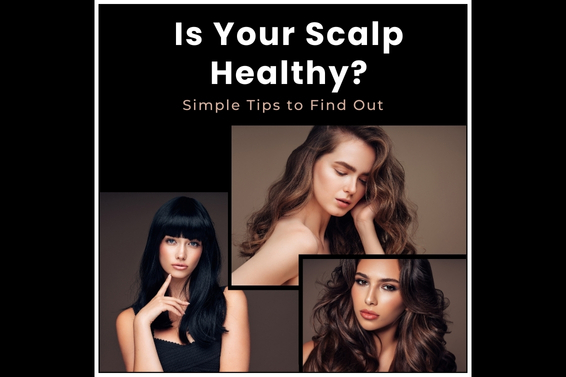
A lot of people focus on keeping their hair shiny and strong, but very few pay attention to the scalp. Your scalp is the foundation for healthy hair. If your scalp is not healthy, your hair can become weak, dry, or fall out. A healthy scalp is important not just for hair growth but also for preventing problems like dandruff, itchiness, and hair breakage. It also helps your hair look naturally shiny and feel soft to the touch.
Many factors affect scalp health, including diet, stress, hair care habits, and even the products you use. Pollution, weather changes, and excessive use of hair styling tools can also damage your scalp over time. By understanding the condition of your scalp, you can take simple steps to improve it and keep your hair looking its best.
So, how can you determine whether your scalp is healthy? Don’t worry! In this blog, we will share simple signs that tell you your scalp is in good condition. We will also show you natural and easy ways to care for it at home, so you can enjoy strong, smooth, and healthy hair every day. With regular care, your scalp may stay nourished, balanced, and free of common diseases, creating a perfect environment for your hair to grow healthy and beautiful.
Why Scalp Health Matters
Your hair grows from your scalp, which acts as its foundation. Just like plants grow healthy in good soil, your hair grows well when your scalp is healthy. Strong, glossy, and attractive hair requires a healthy scalp.
A healthy scalp helps in:
- Strong Hair Growth: Healthy hair follicles produce strong, thick hair that grows well over time.
- Less Hair Fall: When the scalp is nourished and balanced, hair roots stay strong, which reduces hair fall.
- Shiny and Smooth Hair: Proper scalp health keeps hair naturally moisturized, soft, and easy to manage.
- Reduced Dandruff and Itching: A balanced scalp prevents dryness, flakes, and irritation, keeping your hair comfortable.
- Better Absorption of Hair Products: When your scalp is healthy, shampoos, oils, and treatments work more effectively.
- Improved Blood Circulation: A well-cared-for scalp encourages blood flow, bringing nutrients to hair follicles for stronger growth.
- Protection Against Damage: A healthy scalp is less prone to infections, sensitivity, and inflammation caused by weather, pollution, or styling products.
Hair loss, thinning, dryness, and dandruff can result from neglecting your scalp. Over time, neglecting scalp health can affect not only hair growth but also the overall appearance of your hair. That’s why it’s so important to pay attention to your scalp’s condition and take care of it naturally and regularly.
Signs Your Scalp Is Healthy
Here are a few basic clues that your scalp is healthy:
1. No Itching or Irritation
A healthy scalp does not feel itchy or uncomfortable. If you often scratch your scalp, it may be dry, irritated, or sensitive to hair products. Minimal itching is normal occasionally, but constant discomfort is a warning sign.
2. No Redness or Inflammation
Your scalp should look normal, without redness, bumps, or swelling. Redness or irritation can indicate infection, sensitivity, or skin conditions like eczema. A calm, even-toned scalp is a good sign of health.
3. Balanced Oil Levels
A healthy scalp feels just right – not too oily, not too dry. Natural oils are important because they keep your hair moisturized and nourished. Too much oil can block pores and cause scalp acne, while too little oil can make your hair dry and weak.
4. Minimal Flakes
A few flakes are okay, but frequent dandruff indicates that your scalp needs to be cared for. A healthy scalp has very few or no flakes, and the skin feels smooth to the touch.
5. Hair Feels Strong at the Roots
Hair should feel firm and strong at the roots. Weak or thinning hair may indicate problems like blocked follicles, poor blood circulation, or nutritional deficiencies affecting scalp health.
6. No Unpleasant Smell
A healthy scalp has no bad odor. Persistent smell can result from excess oil, sweat, or bacterial and fungal growth, signaling that your scalp needs attention.
7. Even Skin Texture
Your scalp skin should feel soft and even. Rough patches, hard spots, or bumps may indicate dryness, buildup of products, or underlying scalp conditions.
8. Proper Hair Growth Pattern
A healthy scalp supports even hair growth. Areas with thinning patches or uneven growth may suggest poor scalp health or hair follicle issues.
Simple Ways to Check Your Scalp
If you want to be sure about your scalp health, here are easy ways to check it at home:
1. Visual Inspection
Check your scalp using a mirror or with the help of someone else. Look for redness, dryness, bumps, or flakes. Healthy scalp areas look clean, even-toned, and shiny where hair grows.
2. Fingertip Test
Gently massage your scalp with your fingertips. A healthy scalp feels soft, slightly moist, and relaxed. Dry, rough, or overly oily patches indicate scalp imbalance.
3. Hair Pull Test
Take a tiny piece of your hair and pull it just a little bit. Minimal hair fall is normal, but if several hairs come out easily, your scalp may not be supporting strong hair growth.
4. Scalp Moisture Check
Press a tissue gently on your scalp. If it absorbs too much oil, it may make your scalp oily. If it stays dry, your scalp may need hydration.
5. Itch or Sensitivity Check
After washing your hair or using hair products, see if your scalp feels itchy. Constant itching, burning, or tingling can be signs of irritation or sensitivity.
6. Check for Lumps or Bumps
Run your fingers gently over your scalp. Small bumps, cysts, or hard areas may need attention from a dermatologist.
Tips to Keep Your Scalp Healthy
Taking care of your scalp doesn’t have to be complicated. Here are some easy guidelines you can use each day:
1. Regular Cleansing
Wash your hair 2–3 times a week with a mild shampoo to remove dirt, sweat, and excess oil. Avoid strong washes that remove natural oils from your scalp.
2. Scalp Massage
Massage your scalp with fingertips for 5–10 minutes daily. This improves blood circulation, nourishes hair roots, and relaxes the scalp, helping hair grow stronger.
3. Use Natural Oils
Apply natural oils like coconut, almond, or jojoba oil once or twice a week. Oils keep your scalp soft, fight dryness, and make your hair stronger.
4. Aloe Vera for Scalp Health
Aloe vera gel soothes irritation, moisturizes, and helps maintain a balanced scalp. Apply fresh gel directly and leave it on for 20 to 30 minutes before washing.
5. Avoid Overuse of Chemicals
Limit hair dyes, straighteners, and heat styling tools. Chemical overuse can damage the scalp and weaken hair roots.
6. Healthy Diet
Scalp health starts from within. Eat foods rich in vitamins, minerals, and protein, such as nuts, eggs, spinach, and fish, to nourish hair and scalp.
7. Stay Hydrated
Drink plenty of water daily. Hydration keeps your scalp moisturized, reduces dryness, and supports healthy hair growth.
8. Herbal Remedies for Scalp Care
Herbs can naturally improve scalp health:
- Neem Leaves: Crush with water to fight dandruff and infections.
- Mint Leaves: Cool and refresh the scalp while improving blood flow.
- Aloe Vera: Moisturizes and soothes irritation.
- Curry Leaves: Rich in antioxidants; strengthens hair roots.
- Guava Leaves: Boil in water and rinse hair to make it strong and shiny.
9. Protect Your Scalp from Sun
Direct sun exposure can damage the scalp and hair. When you spend long periods of time outside, wear a cap or scarf.
10. Manage Stress
Stress can damage the health of the scalp, leading to dryness or hair loss. Practice relaxation techniques like yoga, meditation, or deep breathing for a healthier scalp.
Common Scalp Problems and How to Handle Them
Even with care, sometimes your scalp can have problems. Here are common issues and simple ways to deal with them:
1. Dry Scalp
- Causes: Cold weather, harsh shampoos, dehydration.
- Solution: Use mild shampoos, apply natural oils, and drink more water.
2. Oily Scalp
- Causes: Excess oil production, stress, or wrong hair products.
- Solution: Wash hair regularly, avoid heavy conditioners on the scalp, and use herbal rinses like neem or mint water.
3. Dandruff
- Causes: Fungal growth, dry scalp, or sensitivity.
- Solution: Apply anti-dandruff shampoo, rinse with neem or guava leaf water, and keep the scalp hydrated.
4. Itchy or Irritated Scalp
- Causes: Allergies, dry skin, infections.
- Solution: Aloe vera gel, coconut oil massage, and avoiding chemical hair products.
Daily Routine for a Healthy Scalp
Keeping your scalp healthy does not have to be complex. A simple, repeatable process can make a significant effect. Here’s a detailed daily and weekly routine you can follow:
- Morning: Gently massage your scalp for 5–10 minutes. This improves blood circulation, nourishes hair roots, and calms the scalp. You can do this before showering or even while styling your hair.
- Throughout the day, drink enough water to keep your body and scalp moisturized. Eat a balanced diet rich in vitamins, minerals, and protein — foods like eggs, nuts, green leafy vegetables, and fish help your scalp stay healthy. Avoid excessive sugary or processed foods that can affect scalp health.
- Evening: Wash your hair 2-3 times per week with a gentle shampoo. Avoid using hot water since it can dry out the scalp. Occasionally, use herbal rinses like neem, guava, or mint leaf water to refresh and strengthen your scalp naturally.
- Weekly Care: Once or twice a week, apply natural oils like coconut, almond, or jojoba oil. You can also use aloe vera gel to soothe, moisturize, and nourish the scalp. Leave it on for 20–30 minutes before washing. This deep care keeps your scalp healthy and promotes strong hair growth.
- Extra Tips: Avoid tight hairstyles that pull on your hair, limit the use of chemical hair products, and protect your scalp from sun exposure with a hat or scarf. Managing stress through meditation, yoga, or simple breathing exercises also benefits your scalp health.
Consistency is key. Following this routine can prevent most scalp problems, reduce hair fall, and make your hair stronger, smoother, and naturally shiny.
When to See a Doctor
Even with adequate care, some scalp disorders require professional treatment. You should consult a dermatologist if you notice:
- Severe or persistent itching
- Redness, swelling, or sores on the scalp
- Excessive hair thinning or hair loss
- Pain, bumps, or unusual lumps
- Persistent dandruff or flaky patches that don’t improve with home remedies
Early diagnosis and treatment can prevent long-term problems and keep your scalp and hair healthy. Don’t wait until the problem gets worse — a doctor can guide you on proper care and treatment.
Final Thoughts
Strong, glossy, and beautiful hair is mostly dependent on a healthy scalp. It’s not about expensive products or fancy treatments — it’s about consistent, simple care and healthy habits. Your scalp works hard every day to support hair growth, protect hair roots, and keep your hair looking its best. When it’s well cared for, hair naturally becomes stronger, thicker, and more vibrant.
Regular cleansing removes dirt, sweat, and excess oil, preventing clogged follicles. Gentle massages increase blood flow, delivering nutrients directly to your hair roots. Using natural remedies like aloe vera, neem, mint, or guava leaves helps soothe irritation, reduce dandruff, and promote hair growth without harsh chemicals.
A balanced diet and proper hydration provide the essential vitamins and minerals your scalp needs to function properly. Omega-3 fatty acids, proteins, and antioxidants help to build hair follicles while also nourishing the scalp. Stress management is equally important, as high stress can disrupt scalp balance and lead to hair fall or dryness.
By paying attention to your scalp daily, you can spot early signs of problems like dryness, itchiness, or hair thinning and take action naturally before they worsen. Small habits, like avoiding tight hairstyles, limiting heat styling, and protecting your scalp from sun damage, also play a big role in long-term scalp health.
Keep in mind that the base of your hair is your scalp. Healthy scalp, healthy hair! With consistent care, you’ll enjoy hair that is not only strong and soft but also naturally radiant and full of life. Treat your scalp kindly every day, and it will reward you with the beautiful, healthy hair you’ve always wanted.