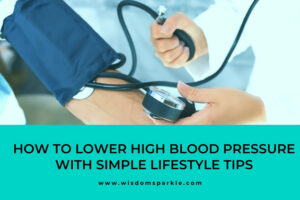
High blood pressure is a common health problem that many people face today. Because of busy lifestyles, unhealthy eating habits, stress, and lack of physical activity, more and more people are dealing with this condition. The good news is that in many cases, high blood pressure can be managed and improved by making simple changes in daily life.
Before we talk about the ways to control it, it is important to understand what blood pressure actually means.
Blood pressure is the force of blood pushing against the walls of your blood vessels when your heart pumps blood. This pressure is necessary because it helps blood move around the body and carry oxygen and nutrients to different organs.
However, when this pressure becomes too high for a long time, it can create health problems. High blood pressure can increase the risk of heart disease, stroke, and other health issues.
The good thing is that small and simple lifestyle habits can help control blood pressure naturally. In this blog, we will also understand the difference between low and high blood pressure and learn easy tips to keep blood pressure at a healthy level.
Understanding the Difference Between Low and High Blood Pressure
Many people often hear about high blood pressure, but low blood pressure is also a condition that people experience.
Understanding the difference between low and high blood pressure can help you take better care of your health.
High Blood Pressure
High blood pressure happens when the pressure of blood in the arteries stays higher than normal for a long time. This means the heart has to work harder to pump blood through the body.
Some common reasons for high blood pressure include:
- Eating too much salty food
- Stress and anxiety
- Lack of physical activity
- Being overweight
- Smoking and alcohol
- Poor sleeping habits
Sometimes high blood pressure does not show clear symptoms, which is why it is often called a silent problem.
Low Blood Pressure
Low blood pressure happens when the pressure of blood in the body becomes lower than normal. When this happens, the body may not get enough blood flow.
Some signs of low blood pressure include:
- Feeling dizzy
- Weakness
- Blurred vision
- Feeling tired
- Fainting in some cases
So, the difference between low and high blood pressure is mainly about the level of pressure in the blood vessels. High blood pressure means the pressure is too strong, while low blood pressure means the pressure is too low.
Both conditions need attention, but high blood pressure is more common and can lead to serious problems if not controlled.
Simple Lifestyle Tips to Lower High Blood Pressure
Now let us look at some easy and natural ways that can help lower high blood pressure.
These lifestyle tips are simple and can be followed in everyday life.
1. Eat Healthy and Balanced Food
Food plays a very important role in controlling blood pressure.
Eating a balanced diet that includes fruits, vegetables, whole grains, and healthy proteins can help your body stay healthy.
Try to include foods like:
- Fresh fruits
- Green vegetables
- Nuts and seeds
- Whole grains
- Healthy proteins
These foods provide important nutrients that support heart health.
2. Reduce Salt Intake
Too much salt is one of the main reasons for high blood pressure.
Salt contains sodium, which can increase the pressure in blood vessels. Reducing salt in your daily meals can help control blood pressure.
Some easy tips include:
- Avoid adding extra salt to food
- Limit processed and packaged foods
- Choose fresh food instead of junk food
Even small changes in salt intake can make a big difference.
3. Stay Physically Active
Regular physical activity is one of the best ways to keep your heart healthy.
Exercise helps improve blood circulation and reduces pressure on the blood vessels.
You do not need very intense workouts. Simple activities can help, such as:
Just 30 minutes of physical activity most days of the week can help manage blood pressure.
4. Maintain a Healthy Weight
Being overweight can increase the risk of high blood pressure.
Extra body weight puts more pressure on the heart and blood vessels. Losing even a small amount of weight can help reduce blood pressure.
Healthy eating and regular exercise can support weight management and improve overall health.
5. Manage Stress
Stress is another important factor that can raise blood pressure.
When people feel stressed for long periods, the body releases hormones that increase heart rate and blood pressure.
To manage stress, you can try:
- Deep breathing
- Meditation
- Listening to music
- Spending time with family
- Taking short breaks during work
Relaxing your mind can help your body stay balanced.
6. Get Enough Sleep
Sleep is very important for overall health.
Poor sleep habits can increase the risk of high blood pressure. Adults should try to get around 7 to 8 hours of good sleep every night.
Good sleep helps the body relax, repair itself, and maintain a healthy heart.
7. Drink Enough Water
Drinking enough water supports many functions in the body, including blood circulation.
Proper hydration helps maintain balance in the body and supports overall health.
Try to drink water regularly throughout the day.
8. Avoid Smoking and Limit Alcohol
Smoking and excessive alcohol consumption can damage blood vessels and increase blood pressure.
If someone wants to control high blood pressure, reducing or avoiding these habits can be very helpful.
Making healthier lifestyle choices can protect the heart and improve long-term health.
9. Check Your Blood Pressure Regularly
Many people do not know they have high blood pressure because it often shows no symptoms.
Checking blood pressure regularly can help you understand your health condition and take action early if needed.
Regular health checkups are always a good habit.
10. Build Healthy Daily Habits
Sometimes the smallest habits make the biggest difference.
Simple daily habits like eating balanced meals, staying active, sleeping well, and managing stress can gradually improve blood pressure.
Consistency is the key. When healthy habits become part of daily life, they help maintain long-term health.
When Should You See a Doctor?
Lifestyle changes can help manage blood pressure, but it is also important to consult a doctor if:
- Blood pressure stays high for a long time
- You feel frequent dizziness or headaches
- You have chest discomfort
- You feel unusual weakness
Medical guidance can help prevent complications and keep your heart healthy.
Conclusion
High blood pressure is a common health issue, but it can often be controlled with simple lifestyle changes. Healthy eating, regular physical activity, good sleep, and stress management can make a big difference.
It is also important to understand the difference between low and high blood pressure. High blood pressure means the force of blood against the arteries is too strong, while low blood pressure means the pressure is lower than normal. Both conditions affect the body differently and require attention.
The good news is that you do not need complicated routines to improve your health. Small steps taken every day can help protect your heart and maintain balanced blood pressure.
By following simple lifestyle tips and paying attention to your body, you can work toward a healthier and more balanced life.