If you’re looking for real Matcha Tea in India, keep reading this article, and I will take you through everything you should know. I’ll keep it simple and practical. You will learn how real matcha is made, where the best matcha is in Japan, what to look for when buying in India, and whose recent research and regulations determine what to look for.
Why is authenticity important?
Matcha is finely milled green tea from shade-cultivated tea leaves, stone-milled into powder afterward. Quality Japanese matcha is bright green in appearance, silky umami in flavor, and is a fine powder. The lower-quality powders may be produced using some other type of tea leaves or badly processed. That provides a pale color and a flat, bitter flavor.
Trusted sourcing matters since real matcha tastes differently and has more beneficial compounds like catechins and L-theanine. Recent scientific reviews confirm the prospective benefits of matcha on attention, metabolic wellness, and antioxidant function but claim more trials are needed for most claims.
Where the finest Japanese matcha originates from?
There are some locations in Japan where matcha grows.
Best famous and oldest to grow high quality matcha is Uji in Kyoto.
Others famous are Nishio of Aichi, Shizuoka, and Kagoshima. Climatic situations and soil differ area to area and impart the tea with its own distinct flavor. The producers shield the tea leaves to grow tencha, the leaf that is picked to make matcha. The intent of this shading is to increase levels of L-theanine and chlorophyll. That gives good matcha its color and depth of umami.
If you see matcha promoting provenance from Nishio or Uji, it is usually a positive sign, but origin is no guarantee.
Two quick reality checks on grades and labels
In the West, by and large, you’d have such labels as “ceremonial grade” and “culinary grade.” They’re useful to the purchaser but are not a definitive standard in Japan.
In Japan, matcha is graded differently, based on brand and harvest. That would imply a label that states “ceremonial” may not be of good quality. Learn to make matcha decisions by color, aroma, texture, and reputation of the producer, rather than the grade on the tin.
How to check for authenticity when purchasing in India
- Examine the origin place and harvest details
Find the prefecture or region on the package. If it mentions Uji, Nishio, or if it’s a named Japanese farm, that’s a positive. Also, look for the harvest year or season. Freshness is key here. - Find certifications and traceability
Some of them have JAS organic certification or clear supply notation. They are comforting but only half the truth. If a supplier provides batch or lot numbers and processing data, that is a good sign of genuine import. - Check color and texture
True high-quality matcha is bright green, emerald, and smooth to the touch. Dull brownish green is a red flag. Grainy texture usually means lower-grade or thrifty grinding. - Inspect the label with care
In Japan, the difference between “matcha” and “powdered green tea” exists. True matcha is manufactured from tencha. When it says sencha or powdered green tea on the label, it’s another thing. Leaf type and processing made clear by the companies are more trustworthy. - Buy from trusted suppliers
In India, direct importing and Japanese-sourced brands also exist that are known and import directly from Japan and sell openly. Check the history of sellers and third-party reviews. Vahdam and Tencha are some Indian stores selling matcha from Japan to mention a few. This transparency helps when you want an original product.
Practical purchasing pathways in India
Option A: Japanese-sourced Indian brands and direct importers
Some Indian retailers’ source small batches of matcha and resell. The retailers would typically include region and stone-ground status and first or second crop. If they include origin details and crop notes, it’s more believable. Check customer reviews, images, and batch numbers.
Option B: International brands shipped to India
Buying from a known Japanese company or international importer is an alternative. Importation has regulations and duties. If you do this, choose the dealers with traceable channels of supply and good reputations.
Option C: Specialty tea shops and local distributors
Specialty tea shops in large cities might carry imported matcha. You can see the tins in person and ask about the source. That is handy when you want to check for color and aroma prior to buying.
Import regulations and food compliance to be aware of
If a business owner or serious buyer wants to import matcha to India, there are regulations to follow. You would typically need an Importer-Exporter Code, food import FSSAI registration, and compliance with any import notices.
India’s food authority issues regulations on imported foods. Import duty and clearing processes are also included. If you are buying retail from an Indian vendor, they must comply with them, and quality suppliers will include FSSAI details. If you are bringing it in directly, check the current FSSAI notices and import guidance so your product clears customs easily.
Recent studies and in-practice applications
Researchers have been investigating the chemical composition and health effects of matcha more intensely in the last few years. Reviews cite matcha’s antioxidant activity, and EGCG in particular, and discuss possible cognitive and metabolic effects.
Simultaneously, scientists caution that evidence is an experimental variable and that more randomized studies are needed to confirm some of the touted therapeutics. That is, matcha is a potential benefit, but customers and sellers do not need to hype.
On the consumer side, tea houses and tea businesses in India and around the world are adding ceremonial-style matcha to drinks and to recipe development in the kitchen. Those businesses that spend money on single-origin purchase, clean harvest history, and small-batch importation are the ones that build repeat business. Pay attention to the trends in specialty tea houses, and you will see more open-ended labeling, batch reporting, and product storytelling about the farm and season.
How to prevent scams and low-quality products
- Steer clear of products that don’t offer origin or harvest data.
- Steer clear of ridiculously low prices for “ceremonial matcha.” High-quality, authentic matcha is more expensive because planting and stone grinding take a long time.
- Avoid “instant matcha” powders with sugar, milk powder, or additives added to them. The package label should just state matcha or tencha leaves.
- If it’s too artificial or neon green color, that could be additives or poor processing. Natural matcha is dark and has a soft radiance, not neon.
- Look for producers with photos of tea leaves and grindstones showcased or a farmer’s story. That usually signifies quality control.
How to taste a new tin at home
- Open the tin and take a whiff
Good matcha should have an aroma that is fresh, green, and a little sweet. Grass or staleness is an indication that the product is probably old or of poor quality. - Dry test of texture
Rub a pinch gently between your fingers. It must be silky and nearly talc-like. Grittiness indicates coarse grinding. - Whisked test
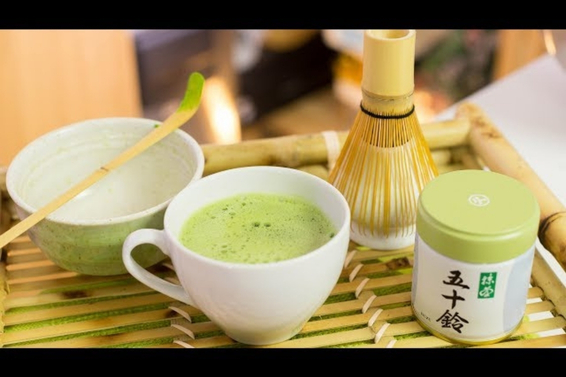
Boil the water in the range of 70 to 80 degrees Celsius and whisk with a bamboo whisk. Good matcha will have a steady, fine foam and be velvety in taste with the umami and slight sweetness. A bitter and astringent flavor means the culinary grade or the tea was not well processed. - Taste mixed with milk
Matcha is still useful in lattes. If you prefer real matcha flavor, serve it neat with water. That will enable you to find the real quality.
Shelf Life
You can store Matcha in the fridge if you’re not willing to use it at the moment. Light, heat, and air are the product’s biggest enemies. Drink matcha after opening within a few months for optimal flavor. Small tins and resealable containers preserve freshness.
A quick pre-click checklist
- Does the product specify a Japanese region or farm?
- Is the harvest time or year specified?
- Is the list of ingredients simply matcha or tencha?
- Is the batch number or certificate cited?
- Are the good photos and batch numbers provided by the seller?
- Are third-party reviews verifying quality and authenticity?
- Is the grade claimed reasonable?
If more than half of your answers are yes, then you stand a chance to receive an actual, genuine product.
In general, a brief comment on health and safety
Matcha is the whole leaf, so it contains more of the active ingredients than green tea you would steep. That is some good and bad. The top priority should be to consult with the professionals if you have some medical issues, as an excessive amount of green tea can cause liver infections and diseases.
Conclusion
Finding genuine Japanese matcha in India is no joke. Search for open origin labeling, transparent sourcing, and honest packaging.
Believe vendors who describe the harvest and processing.
Trust your senses when you can. New color, silky texture, and pleasant umami scent are the ideal indications. As an individual who is serious about matcha, purchase small tin packets from quality importers to begin with. Sample various kinds, observe what you prefer, and document sources that you can go back to.