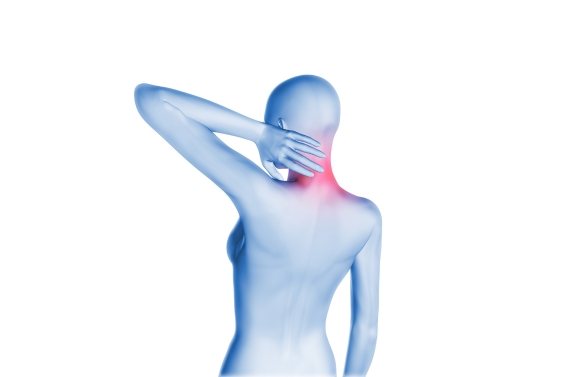
When you work out, your muscles experience physical stress. This strain causes microscopic tears in muscle fibres that can lead to soreness and fatigue. This is normal, but it can be frustrating when you want to push harder in the gym. Here are some tips to help you recover from muscle soreness and fatigue. Muscle soreness is normal after intense exercise, especially when you’ve challenged your body in new ways. But the recovery routine you use can make a big difference in how long your soreness lasts.
Active recovery, which involves light movement during a rest day like walking, swimming or a gentle yoga session, can help reduce delayed-onset muscle soreness. It also helps to eat protein after a workout, which will help rebuild your muscles.
1. Stretching
Stretching is not a substitute for proper training but can be useful in preparing muscles for training and aiding recovery. Stretching can improve flexibility, circulation and posture, and reduce soreness and fatigue. However, if you have health issues, consult your doctor or physical therapist before beginning a stretching program. Stretching should not be performed prior to a training session, as it can cause injury to muscles that are not warm enough. You should warm up your muscles and prepare them to be stretched by beginning your workout with light activity, such as walking or jogging for five to ten minutes.
Muscle soreness is a normal reaction to the physical stress placed on your muscles during a workout. When exercising, the fibers that are part of your muscles are stretched and experience microscopic damage, creating soreness. The soreness lasts a few days as your body repairs the microscopic fibers, strengthening them.
Stretching can help minimize soreness after a workout by reducing lactic acid, which can make the muscles feel sore and tired, and it can help prevent injuries, as stretching can reduce tight muscles and the risk of overuse injury.
There are multiple forms of stretches, and the best will vary depending on your sport or your fitness goals. For example, a long-distance runner’s muscles require less mobility and flexibility than those of an Olympic gymnast.
Some of the best post-exercise stretches are quadriceps stretch (kneeling, one leg extended and other one bent and reaching toward the toes) and hamstring holds (sitting in a staggered stance with your legs, with the back leg stretched behind you). People who perform dynamic stretching prior to exercise, and who start with a stretch is statistically less likely to be injured than people who only stretch after the activity.
2. Ice
If you feel stiff and sore the day after a hard workout, that’s normal! You may have started a new exercise routine; you may have taken a more intense class at the gym; or, you may have just ramped up your training intensity, especially if you’re preparing for a race. Soreness is frequently just a normal sign your muscles are adapting and getting stronger.
Most of the pain associated with exercising muscles is not due to damage to the muscles. Rather, it is inflammation, which comes about simply because we are doing something new or that we are pushing our bodies harder than normal. This inflammatory pain is called delayed onset muscle soreness (DOMS) and can last for a week or more.
Icing can help reduce inflammation and soreness. Typically, most people ice their muscles for 20-30 minutes at a time. Be sure you have a towel between the ice and your skin. Icing your muscles several times a day can help reduce the inflammation and soreness you are experiencing.
You may even choose to ice your muscles before exercising to help minimize your chances of getting injured and maximize your workout time. Some research even indicates that icing before a workout can help reduce muscle strains and tears by increasing blood circulation to the muscles.
Eating healthy foods, in addition to icing yourself, is a crucial way to fuel your body to aid in recovery after a bout of soreness and other sources of inflammation. Eating fruits and vegetables of different colors will assist you with reducing inflammation and fostering muscle growth and repair. Incorporate tart cherry juice (eating cherries is just as good) and fatty fish (salmon and mackerel) to contain inflammation and help reduce muscle soreness. Finally, if you’re in a lot of muscle soreness – or a severe sports injury – you should consider talking to a physical therapist. The physical therapist can review your injury and help with recommendations for treatments so you can get into your regular training schedule as soon as possible.
3. Massage
It may seem counterintuitive, but massaging sore muscles actually has benefits for recovery because it helps decrease muscle soreness and improves circulation. Massaging sore muscles will increase the amount of blood flowing to the muscles and, at the same time, because it increases blood circulation, the toxins produced with exercise are flushed away. This reduces the amount of lactic acid that can cause delayed onset muscle soreness (DOMS).
In one research study, the results indicated that massage had an appreciable effect in reducing pain and serum CK levels in subjects following intense exercise. This was due to the massage itself, as well as indirectly through enhancing muscular performance.
Massage therapy eases muscle soreness because it relieves tension in muscles, and reduces inflammation. It also enhances the communication between nerves and muscles potentially reducing the onset of muscle spasms. Moreover, massage can break down scar tissue leading and stiffness and ultimately range of motion restriction. Furthermore, it can ease muscle soreness which can improve general sleep and calm the nervous system. Whether you are a casual athlete, or an elite athlete, having a good recovery routine is important. Massage can be an integral part of that recovery routine to keep you moving forward and reaching your goals.
The research available presently on sports massage benefits is scant; however, several recent studies suggest a positive effect of massage therapy on delayed onset muscle soreness (DOMS) and muscle performance associated with high-volume and strenuous exercise. However, most studies are small and not randomized control trials and the actual effect is probable unknown. Most reliable and strongest evidence comes from the RCTs within the meta-analysis. In a systematic review, a meta-analysis found that massage significantly reduced muscle soreness rating, muscle function (MIF and Peak Torque), and serum CK levels in subjects experiencing DOMS, following a high-volume and strenuous activity.
4. Rest
Athletes must rest their bodies sufficiently enough between workouts to recover. This does not mean resting all day on the couch unless that is the athlete’s definition of recovery. Athletes need to recover so their muscles and joints can have adequate recovery from the physical stress placed on them.
Exercise creates small microscopic tears in muscle fibres that need time to heal. This is the reason people experience soreness after workouts and stiffness when using their muscles. During recovery the body is clearing out the excess lactic acid from the exercise in addition to strengthening the muscle. The body must be allowed to recover in order to heal because if it is not, the muscles become irritable and the likelihood of injuries increases.
The American Council on Exercise states it is ideal for an athlete to take a rest day every week or every 7 to 10 days. Though this varies for every athlete, rest days are important. In addition to rest days physical therapists can recommend modalities to help speed up muscle recovery such as dry needling (a technique of inserting a fine needle into trigger points to relieve tension), sauna therapy, and cupping.
During passive recovery, the athlete lies down and can almost do nothing, or even anything that may be construed as strenuous physical activity. Again, it is important to spend at least 15 minutes addressed as cooling down, in a low-intensity form of movement, in order to help direct blood flow back to your heart and other organs. Low-intensity movement might consist of walking, slow jogging or biking at a slower cadence.
In contrast to passive recovery, active recovery consists of light movement, in the form of a moderate workout, so is still not too strenuous and can involve swimming, walk or light yoga. A physical therapist could recommend strength-training movements and exercises, whilst ensuring the adaptability does not exceed thresholds on the resistance used or intensity. One also needs to refuel shortly after a workout, as that is when your muscles are most receptive to nutrients. Protein is essential for rebuilding muscles, and carbohydrates are essential for refuelling energy stores.
5. Hydration
Mild muscle soreness is common for even the most regular athletes. When we build aerobic fitness and strength, we are putting our muscles through stress and strain. However, soreness can also result if you take on too much in your training session for the first time or just went very hard in your workout.
This is referred to as delayed-onset muscle soreness (DOMS). Although it is a normal part of exercise to experience some post-exercise soreness, if you focus on rest and a proper recovery nutrition strategy, the discomfort should subside.
Post workout hydration is essential to reducing next day soreness. When our muscles are hydrated, we can work harder, and more efficiently! Hydration also helps reduce inflammation, which happens naturally when we heal.
If you have a strenuous workout on the way, drinking water and electrolyte-rich drinks before and after your workouts is a great idea. It’s also a good idea to consume enough protein and complex carbohydrate so your muscles can recover as fast as possible.
To minimize muscle soreness post-workout, you can drink tart cherry juice which contains anthocyanins that have been shown to reduce muscle soreness in humans post-exercise. Including salmon, Pain O Soma 350, or sardines in your diet will provide you with healthy omega-3 fats that can help decrease soreness and joint stiffness. Leafy green vegetables, such as spinach and kale, are packed with anti-inflammatory nutrients. And carrots and sweet potatoes are great sources of vitamin C.
6. Water
Drinking a lot of water, the simplest and most effective method to help you avoid sore muscles after exercise. Not only does drinking water helps flush the waste products left from our workout, but it also helps ensure your body has enough fluids to transport nutrients to muscle cells and carry away toxins. This is important because being under hydrated could result in thirst, fatigue, nausea and dark colored urine, among other conditions.
Overall, the amount of water you need to drink depends on the intensity of your training. A general guideline to help you with this is to drink 16 to 24 ounces for each hour of watery sweat that you lost during your workout. Since you always need enough water to replenish your electrolyte levels as well, it can also be made drink through sugary, electrolyte filled drinks; or consuming foods including bananas, raisins, oranges, and nuts.
In addition to proper hydration, good nutrition and rest can help reduce post exercise muscle soreness. Lean protein is important in your diet to promote muscle growth and to assist with recovery. Eating a balanced diet of whole grains with fruits and vegetables adds a variety of important vitamins and minerals. It is also helpful to include healthy fat in your diet like omega-3 fatty acids from fish to aid with inflammation and recovery.
It is not uncommon for your muscles to be sore following a rigorous workout, especially if you have progressed workouts by increasing the intensity or length of the workout. This type of soreness is termed delayed-onset muscle soreness (DOMS) meaning that your muscles have experienced a strain. You can reduce the DOMS symptoms by integrating active recovery techniques into your exercise program with cold water immersion (ice bath or cold tub) or contrast baths, or by intentionally adding some level of light movement into your fitness routine such as an easy walk or continuous light cycling time.