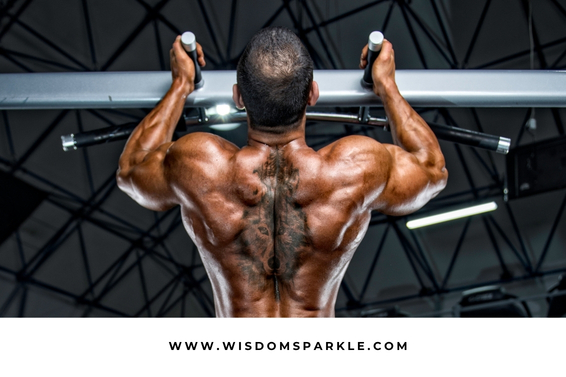
If you have ever stepped into a gym, you have probably seen someone hanging from a bar and pulling themselves up. This exercise is called chinning, also known as pull-ups or chin-ups. It may look simple, but it is one of the most powerful exercises you can do for your body.
Many people avoid chinning because it looks difficult. Some think it is only for advanced gym-goers. But the truth is, chinning is for everyone. Whether you are a beginner or an experienced fitness lover, this exercise can completely transform your strength and fitness.
In fact, many trainers consider chinning one of the most important bodyweight exercises. It builds real strength, improves your posture, and makes your upper body stronger than ever.
Let us understand why chinning is so important and why it deserves a permanent place in your workout routine.
What Is Chinning?
Chinning is an exercise where you hang from a bar and pull your body upward until your chin reaches above the bar. That is why it is called “chinning.”
There are two main types:
- Chin-Up – Your palms face toward you.
- Pull-Up – Your palms face away from you.
Both are excellent exercises. They target similar muscles, though chin-ups often focus a little more on the biceps.
No matter which version you choose, both help you become stronger.
Why Chinning Is So Important
Chinning is not just another gym exercise. It is a test of true body strength. Unlike machines, where the equipment supports you, chinning requires you to lift your entire body weight.
That makes it incredibly effective.
It trains multiple muscles at the same time and improves the way your body works as a whole.
Muscles Worked During Chinning
One of the best things about chinning is that it works many muscles together.
These include:
- Back muscles
- Biceps
- Shoulders
- Forearms
- Core muscles
- Grip strength
Very few exercises can target so many areas at once.
This is why chinning is often called a complete upper-body exercise.
Builds Real Strength
Machines can help, but bodyweight exercises build functional strength.
Functional strength means strength you can use in everyday life.
When you can pull your own body weight, you become naturally stronger. Simple tasks like lifting, climbing, carrying, and pulling become much easier.
Chinning teaches your body to work as one powerful unit.
Improves Upper Body Power
If you want a strong back, wide shoulders, and muscular arms, chinning is one of the best exercises available.
It develops:
- Wider lats
- Stronger biceps
- Better shoulder stability
- Thicker upper back
This creates that attractive V-shaped body many people aim for.
Enhances Grip Strength
A weak grip can limit your progress in many exercises.
Deadlifts, rows, and even daily tasks require strong hands and forearms.
Since you must hold your body weight during chinning, your grip naturally becomes stronger over time.
A stronger grip means better overall performance in the gym.
Strengthens Your Core
Many people think chinning only works the upper body.
That is not true.
Your abdominal muscles and core stay tight throughout the movement to keep your body stable.
This helps build a stronger midsection without doing endless crunches.
Improves Posture
Modern lifestyles often lead to poor posture.
Sitting for long hours weakens the back and rounds the shoulders.
Chinning helps reverse this problem.
It strengthens the muscles responsible for keeping your shoulders back and your spine aligned.
Better posture makes you look taller, more confident, and more athletic.
Boosts Athletic Performance
Athletes in many sports use chinning regularly.
Why?
Because pulling strength is essential for sports like:
- Wrestling
- Swimming
- Climbing
- Gymnastics
- Martial arts
- Cricket
- Football
It improves body control, coordination, and explosive power.
Burns Calories Effectively
Since chinning uses multiple muscle groups, it burns a good amount of calories.
Your body works hard during each repetition.
This makes it useful for both muscle building and fat loss.
More muscle activity means more energy burned.
Builds Mental Toughness
Chinning is challenging.
The first few attempts can be frustrating.
But every successful repetition builds confidence.
It teaches patience, discipline, and determination.
The day you complete your first unassisted chin-up is unforgettable.
A True Test of Fitness
Anyone can lift weights on a machine.
But lifting your own body weight is a different level of fitness.
Chinning shows how strong and balanced your body really is.
It is one of the best indicators of upper-body strength.
Perfect for All Fitness Levels
Beginners often think chinning is impossible.
It is not.
You can start with:
- Assisted pull-up machines
- Resistance bands
- Negative repetitions
- Partner assistance
With regular practice, anyone can master it.
Every expert was once a beginner.
Common Mistakes to Avoid
To get the best results, avoid these mistakes:
- Swinging the body
- Using momentum
- Not completing full range of motion
- Pulling too fast
- Ignoring proper grip
Controlled movement always gives better results.
Quality matters more than quantity.
How to Perform a Proper Chin-Up
Follow these simple steps:
- Grab the bar with palms facing you.
- Hang fully with straight arms.
- Tighten your core.
- Pull yourself upward.
- Bring your chin above the bar.
- Lower yourself slowly.
Repeat with control.
Benefits Beyond the Gym
Chinning helps in daily life too.
It improves:
- Carrying groceries
- Lifting luggage
- Climbing stairs
- Sports performance
- Overall mobility
Strong muscles make everyday activities easier.
How Often Should You Do Chinning?
Two to three times per week is enough for most people.
Allow your muscles time to recover.
Consistency is the secret.
Even a few reps regularly can produce amazing results.
Variations of Chinning
Once you master basic chin-ups, try variations like:
- Wide-grip pull-ups
- Close-grip chin-ups
- Neutral-grip pull-ups
- Weighted chin-ups
- Archer pull-ups
These keep your workouts challenging and exciting.
Chinning vs Other Exercises
While lat pulldowns are useful, they cannot fully replace chinning.
Why?
Because chinning requires:
- Greater muscle coordination
- Better balance
- Core activation
- Full-body control
It is simply more effective.
Why Many Trainers Recommend It
Professional trainers love chinning because it delivers excellent results.
It builds:
- Strength
- Muscle
- Endurance
- Coordination
- Confidence
Few exercises offer so many benefits at once.
How to Progress Faster
If you want to improve quickly:
- Practice regularly
- Strengthen your back and biceps
- Lose excess body fat
- Improve grip strength
- Focus on technique
Patience is key.
Progress may be slow at first, but it always comes.
Chinning for Women
Chinning is not just for men.
Women can benefit greatly too.
It helps:
- Tone arms
- Strengthen the back
- Improve posture
- Build confidence
Strength has no gender.
The Confidence Boost
There is something special about doing a chin-up.
It makes you feel strong.
It proves your hard work is paying off.
Every rep is an achievement.
That confidence often carries into other parts of life.
Final Thoughts
Chinning is one of the best exercises ever created.
It builds strength, muscle, endurance, and confidence all at once.
It challenges your body and mind in ways few exercises can.
Yes, it can be difficult at first.
But that difficulty is exactly what makes it so rewarding.
If your goal is to become stronger, fitter, and more athletic, chinning should absolutely be part of your workout routine.
Start where you are.
Use assistance if needed.
Stay consistent.
Soon, you will discover why chinning is considered a compulsory exercise for building real strength and lasting fitness.
So the next time you walk into the gym, do not ignore the pull-up bar.
Grab it.
Hang on.
Pull yourself up.
Your future self will thank you.