
Everyone wants smooth, soft, and glowing skin. But one thing that stops our skin from looking fresh and healthy is dead skin. Dead skin makes our face and body look dull, rough, and tired. It can make your skin feel dry, patchy, and uneven, and sometimes even cause clogged pores or breakouts. Dead skin can also make makeup look cakey and prevent moisturizers or serums from working properly.
The good news is, removing dead skin is not difficult, and you don’t always need expensive products or treatments. With a few simple steps, you can get rid of dead skin quickly and safely at home. Whether it’s your face, hands, feet, or elbows, the methods are easy, natural, and effective.
In this blog, we will explore easy, effective, and natural ways to remove dead skin, leaving your skin soft, bright, and refreshed. You’ll learn about scrubs, masks, home remedies, and even tools that help you exfoliate safely without damaging your skin. By following these tips, you can also make your skincare products work better, because they absorb more easily into smooth, healthy skin.
Removing dead skin regularly doesn’t just make your skin look beautiful—it keeps it healthy too. It improves circulation, prevents acne, and helps your skin stay youthful and radiant. So, whether you want glowing skin for a special occasion or just want to feel fresh every day, these tips will guide you step by step to beautiful, soft, and healthy skin.
What is Dead Skin?
Our skin constantly renews itself. Every day, old skin cells die and naturally fall off, while new, fresh cells grow underneath. This natural process keeps our skin healthy and glowing. But sometimes, these dead cells don’t shed properly and stay on the surface. When this happens, the skin starts to look rough, dry, and dull. You might notice flaky patches, uneven texture, or a lack of natural glow. Dead skin can also clog pores, leading to blackheads, whiteheads, and even acne. On top of that, it can make it harder for moisturizers, serums, and other skincare products to penetrate and work effectively.
Removing dead skin is not just about beauty—it’s about healthy, well-functioning skin. When you clear away these old cells, your skin looks brighter and more radiant, feels softer to the touch, and becomes smoother. Exfoliation also helps improve blood circulation, which nourishes your skin and promotes faster cell renewal. By taking care of dead skin, you give your skin the chance to breathe, repair, and stay healthy. Over time, regular dead skin removal can reduce dullness, prevent breakouts, and help your skincare products work better, giving you that fresh, youthful glow naturally.
Signs You Need to Remove Dead Skin
Before we talk about ways to remove dead skin, it’s important to know the signs that show your skin needs exfoliation. Recognizing these signs can help you take action before your skin becomes dull or problematic. Here are the most common indicators:
- Dull and rough skin – Your skin looks tired even after sleeping, and it may feel coarse or lack that natural glow. This is often the first sign that dead skin is building up on the surface.
- Dry patches – Areas like elbows, knees, heels, and even the face can feel hard, flaky, or rough. Dry patches are usually dead skin that hasn’t shed properly.
- Clogged pores and acne – Dead skin can trap dirt, oil, and bacteria, leading to blackheads, whiteheads, and pimples. If your skin is breaking out frequently, dead skin might be part of the problem.
- Uneven skin texture – If your skin feels bumpy, rough, or uneven to the touch, it’s a clear sign that dead skin is sitting on the surface and needs to be removed.
- Poor absorption of skincare products – Moisturizers, serums, and oils might not seem effective. This happens because dead skin acts like a barrier, preventing products from penetrating and nourishing your skin properly.
- Itchy or irritated skin – Sometimes dead skin can cause mild itching or irritation, especially in areas like the hands, feet, or elbows.
- Faded natural glow – If your skin looks dull or lifeless, even after proper cleansing, dead skin might be covering up your natural radiance.
- Tight or uncomfortable feeling – After washing, your skin may feel tight, dry, or uncomfortable. This can happen when dead skin prevents moisture from reaching your healthy skin cells.
If you notice any of these signs, it’s time to remove dead skin. Doing so will reveal fresh, soft, and glowing skin, make your skincare more effective, and even prevent future skin problems. Regular exfoliation keeps your skin healthy, smooth, and radiant.
How to Remove Dead Skin Quickly and Easily
There are several ways to remove dead skin, from home remedies to products. Here are the best methods:
1. Exfoliation with a Scrub
Exfoliation is the easiest and fastest way to remove dead skin. It helps reveal fresh, soft skin while improving blood circulation. You can use physical scrubs (with small granules) or chemical exfoliants (with acids), depending on your skin type and sensitivity.
How to do it:
- For the face:
Use a gentle scrub with sugar, oatmeal, or coffee. Massage in small circles for 2–3 minutes, focusing on areas like the forehead, nose, and cheeks. Avoid scrubbing too hard to prevent irritation. Rinse with lukewarm water. - For the body:
Use a body scrub or make one at home with sugar + honey, coffee + coconut oil, or sea salt + olive oil. Rub gently in circular motions, especially on rough areas like elbows, knees, and heels. Wash off thoroughly and pat dry.
Extra Tips:
- Exfoliate 2–3 times a week for the body and once a week for the face.
- Always use gentle, circular motions to avoid damaging your skin.
- Avoid scrubs with large, harsh particles that can scratch your skin.
2. Use a Loofah or Exfoliating Gloves
A loofah, exfoliating sponge, or gloves can make dead skin removal faster and more effective. These tools are especially helpful for rough areas like elbows, knees, and feet.
How to use:
- To soften your skin, wet it with warm water.
- Apply a body wash or scrub.
- Rub gently with a loofah or gloves in circular motions.
- Rinse thoroughly and pat dry.
Extra Tips:
- Replace your loofah every 2–3 months to prevent bacteria buildup.
- Never share your loofah or gloves with anyone else to avoid infections.
- Use gentle pressure; too much scrubbing can irritate or damage the skin.
3. Try Chemical Exfoliants
Chemical exfoliants dissolve dead skin cells without scrubbing. They are perfect for those who want quick results or have sensitive skin.
Common chemical exfoliants:
- AHA (Alpha Hydroxy Acid): Glycolic acid, lactic acid. Perfect for dry or dull skin.
- BHA (Beta Hydroxy Acid): Salicylic acid. Ideal for acne-prone or oily skin.
How to use:
- Apply a small amount on clean skin.
- Leave it as directed on the product.
- Always follow with a moisturizer.
Extra Tips:
- Start slowly to see how your skin reacts.
- Avoid using too many exfoliating products at once.
- Always wear sunscreen during the day, as exfoliants make your skin sensitive to UV rays.
4. Home Remedies for Dead Skin Removal
You don’t need expensive products. Simple kitchen ingredients can be very effective.
a) Sugar and Honey Scrub
- Mix 2 tablespoons sugar and 1 tablespoon honey.
- Massage gently on your skin in circular motions for 3–5 minutes.
- Rinse with lukewarm water.
Honey moisturizes while sugar exfoliates, leaving skin soft and smooth.
b) Oatmeal Scrub
- Grind oatmeal into a fine powder.
- Mix with a little yogurt, milk, or honey.
- Apply on your skin, rub gently, and rinse.
Oatmeal is gentle and perfect for sensitive or dry skin.
c) Coffee Scrub
- Mix coffee grounds with coconut oil or olive oil.
- Massage onto your body for 5–7 minutes, then rinse.
Coffee improves circulation, reduces puffiness, and helps remove dead skin.
d) Lemon and Sugar Scrub
- Mix sugar with a few drops of lemon juice and a little honey.
- Rub gently on your skin and rinse.
Lemon acts as a natural brightener, helping to remove dullness while exfoliating.
5. Steam Your Skin
Steaming softens dead skin, opens pores, and makes it easier to remove impurities.
How to do it:
- Boil water and pour into a bowl.
- Place your face or body over the steam (keep a safe distance).
- Wrap a towel around your head and steam for 5-10 minutes.
- Follow with a gentle scrub or mask.
Extra Tips:
- Steam only 1–2 times a week.
- Avoid steaming for too long, as it can dry out the skin.
6. Use a Dead Skin Removing Mask
Face and body masks can help gently remove dead skin and impurities.
- Look for masks with clay, charcoal, fruit enzymes, or papaya.
- Apply 1–2 times a week and rinse after 10–15 minutes.
Extra Tips:
- Always do a patch test before trying a new mask.
- Follow with a moisturizer to lock in hydration.
7. Moisturize After Removing Dead Skin
Exfoliating removes the protective layer of dead skin, so your skin can feel dry afterward. Always moisturize to keep it soft, smooth, and healthy.
- Dry skin: Use thick creams or oils like coconut, almond, or shea butter.
- Oily skin: Use light, non-greasy lotions or gel-based moisturizers.
- Sensitive skin: Choose fragrance-free, gentle moisturizers.
Extra Tips:
- Moisturizing immediately after exfoliation locks in hydration.
- Consider using a serum with hyaluronic acid for extra moisture.
- Regular moisturizing helps maintain the results of your dead skin removal routine.
Extra Tips for Healthy Skin
Taking care of your skin doesn’t stop at exfoliation. To prevent dead skin buildup and keep your skin soft, smooth, and glowing, you should follow these simple everyday tips:
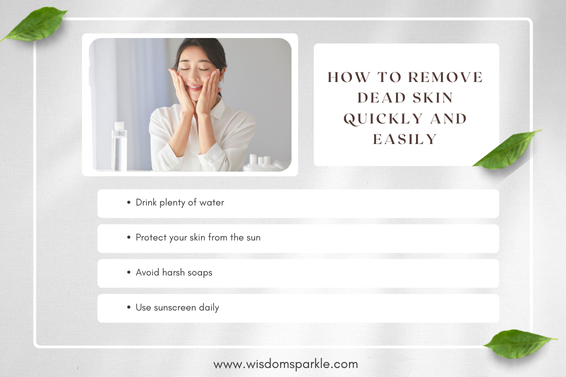
- Drink plenty of water – Water is essential for healthy skin. When your body is hydrated, your skin stays soft, smooth, and plump. Try to drink at least 8–10 glasses of water every day. You can also include herbal teas and fresh fruit juices for extra hydration.
- Maintain a healthy diet because what you eat affects how your skin looks. Fresh fruits, vegetables, nuts, seeds, and whole grains provide essential vitamins and minerals that help keep your skin healthy and radiant. Foods rich in vitamin C, E, and omega-3 fatty acids are especially good for maintaining smooth, glowing skin.
- Protect your skin from the sun – Ultraviolet (UV) rays from the sun can damage your skin, make it dry, and worsen dead skin buildup. Wear a wide-brimmed hat, sunglasses, and protective clothing when outdoors. Try to avoid direct sun exposure during peak hours (10 am to 4 pm).
- Avoid harsh soaps – Many soaps contain chemicals that strip your skin of its natural oils. This can dry out your skin and cause more dead skin to accumulate. Choose gentle, moisturizing cleansers or natural soaps that are suitable for your skin type.
- Use sunscreen daily – Sunscreen is your best friend for healthy skin. It protects your skin from UV damage, prevents premature aging, and reduces dryness and flakiness. Apply sunscreen every morning, even on cloudy days or when you stay indoors near windows.
- Moisturize regularly – Moisturizing keeps your skin hydrated and soft, helping prevent dead skin from building up. Use a moisturizer suited to your skin type, and apply it right after showering or washing your face.
- Get enough sleep – Your skin repairs itself as you sleep. Lack of sleep can make your skin look dull and tired, and slow down the natural shedding of dead skin cells. Aim for 7-8 hours of decent sleep per night.
- Exercise regularly – Exercise improves blood circulation, which helps nourish your skin and remove toxins. Sweating during exercise can also help unclog pores and naturally remove some dead skin cells.
- Limit sugar and processed foods – Too much sugar and processed food can lead to inflammation and breakouts, making dead skin buildup worse. Focus on fresh, natural foods for healthier skin.
- Use gentle exfoliation tools carefully – While exfoliating is important, overdoing it can irritate your skin. Use gentle scrubs, loofahs, or gloves and exfoliate only 2–3 times a week for the body and once a week for the face.
By following these simple tips consistently, you can keep your skin soft, smooth, and radiant, while reducing dead skin buildup naturally. Healthy skin is not just about removing dead skin—it’s about taking care of your body, lifestyle, and daily habits.
Areas That Need Extra Care
Some areas of the body have thicker or rougher skin than others. These areas tend to accumulate more dead skin and need extra attention when you exfoliate. Taking care of them properly can make a big difference in the smoothness and appearance of your skin.
- Elbows and knees:
These areas are naturally thicker and can get very rough and dry. Rub gently with a scrub 2–3 times a week using sugar, coffee, or salt mixed with oil. You can also apply a rich moisturizer or body butter afterward to keep the skin soft. For stubborn roughness, try leaving the moisturizer on overnight with cotton wraps for extra softness. - Feet and heels:
The feet and heels carry your body weight, so they often develop calluses and hard patches. Use a pumice stone, foot file, or a foot scrub to remove rough skin. Exfoliate your feet 2–3 times a week, and always follow up with a thick foot cream. For extra care, soak your feet in warm water with a few drops of essential oil for 10–15 minutes before scrubbing—it softens the skin and makes removal easier. - Hands:
Hands are exposed to water, detergents, and dirt frequently, making them prone to dryness and rough patches. Once a week, wash your hands with a light scrub. Apply a moisturizing hand cream afterward, and consider using gloves when doing household chores to prevent dryness. - Lips:
Lips are delicate and can get dry and flaky easily. Use a sugar and honey scrub or a soft lip exfoliator 2–3 times a week to remove dead skin. Always apply a nourishing lip balm afterward to keep them soft and smooth. - Back and shoulders:
These areas are hard to reach but can also accumulate dead skin, especially if you sweat a lot. Use a long-handled scrub brush or an exfoliating back glove once a week in the shower to remove dead skin. - Neck and chest:
These areas are prone to sun exposure and can show signs of aging. Exfoliate gently 1–2 times a week to remove dead skin and improve texture. Follow with a moisturizer or serum to keep the skin hydrated.
Extra Tips for Thick or Rough Areas:
- Be gentle—scrubbing too hard can damage the skin.
- Always moisturize afterward to lock in hydration.
- Consistency is key—regular exfoliation prevents buildup and keeps these areas smooth.
- For stubborn roughness, try combining exfoliation with natural oils like coconut or almond oil overnight.
By giving these trouble areas extra care, you can achieve smoother skin all over your body and prevent dryness, cracks, or rough patches.
When to See a Dermatologist
Most dead skin can be safely removed at home using scrubs, masks, and gentle exfoliation. However, there are times when professional help is necessary. If you notice any of the following signs, it’s better to consult a dermatologist rather than trying to treat it at home:
- Excessive flaking or peeling – A little flakiness is normal, but if large patches of skin are peeling constantly, it could indicate a skin condition like eczema, psoriasis, or fungal infection.
- Severe dryness or redness – If your skin feels tight, inflamed, or extremely dry despite moisturizing, it may need specialized care. Over-the-counter scrubs and creams could worsen the condition.
- Persistent acne, irritation, or bumps – Dead skin buildup sometimes leads to breakouts, but if acne or irritation continues even after exfoliation and skincare, it could be a sign of an underlying problem.
- Rashes, sores, or unusual skin changes – Any sudden changes in skin texture, color, or appearance that don’t improve with home care should be evaluated.
- Pain, itching, or discomfort – Persistent discomfort during or after exfoliation is a warning that your skin may be sensitive or reacting negatively to certain products.
Why professional care matters:
A dermatologist can diagnose skin issues, recommend the right treatments, and suggest gentle exfoliation methods suitable for your skin type. They can also prescribe medicated creams or treatments for stubborn conditions that home remedies cannot fix.
Extra Tips:
- Don’t ignore warning signs—early treatment prevents long-term damage.
- Avoid harsh scrubs, chemical peels, or DIY treatments if your skin is inflamed or irritated.
- Always follow a dermatologist’s advice and use recommended products to restore healthy skin safely.
Remember, healthy skin is more than just removing dead skin—it’s about maintaining balance, hydration, and proper care. Knowing when to seek professional help ensures your skin stays safe, soft, and radiant.
Conclusion
Removing dead skin doesn’t have to be complicated. With simple scrubs, home remedies, exfoliating tools, and chemical exfoliants, you can quickly and easily reveal fresh, soft, and glowing skin. Exfoliation not only brightens your complexion but also helps your skin absorb moisturizers, serums, and other skincare products more effectively. It stimulates blood circulation, encourages cell renewal, and reduces dullness and rough patches.
Always moisturize afterward to lock in hydration and maintain the softness of your skin. Pair your exfoliation routine with healthy habits like drinking plenty of water, eating a balanced diet rich in vitamins and antioxidants, protecting your skin from the sun, and getting enough sleep. These habits not only prevent dead skin buildup but also support overall skin health.
Remember, healthy skin starts with removing dead skin gently and regularly. Overdoing exfoliation can irritate your skin, so consistency is more important than intensity. By following these tips, your skin will gradually become brighter, smoother, and more radiant, and you’ll notice a fresher, more youthful appearance.
With patience and care, dead skin removal can become a relaxing, rewarding part of your self-care routine. Soon, you’ll enjoy skin that not only looks amazing but also feels soft, healthy, and rejuvenated every single day.