Have you ever felt your heart beating faster before a big exam? Or maybe you’ve had trouble sleeping the night before an important event? That nervous, uncomfortable feeling — like something bad might happen — is something we all go through. It’s called anxiety, and in small amounts, it’s completely normal.
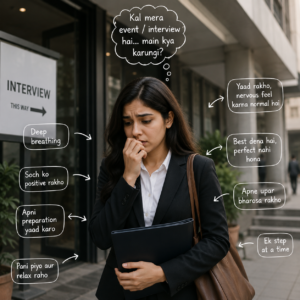
Feeling worried on occasion is a normal aspect of being human. It describes how our minds and bodies react to stress or strain. It can also help us stay alert and concentrated. For example, a little anxiety before a job interview might push you to prepare well. That kind of anxiety usually fades once the stressful moment is over.
But sometimes, anxiety doesn’t go away.
Sometimes, that feeling of worry or fear sticks around — even when there’s no clear reason for it. You might feel uneasy all the time, even when things seem fine. You might start avoiding people or situations just to escape that anxious feeling. When this happens, anxiety becomes more than just a passing emotion. It starts affecting your daily life, your sleep, your mood, and your ability to enjoy the things you love.
That’s when anxiety turns into something more serious — not just a reaction to a moment, but a real challenge you live with.
Anxiety can show up in different ways. For some people, it’s overthinking or a constant stream of “what if” thoughts. For others, it’s physical — like tightness in the chest, stomach pain, or feeling dizzy for no reason. And for many, it’s both.
The important thing to know is this:
You are not alone.
Anxiety is very common. People of all ages, from all walks of life, experience it. And while it can feel scary or confusing, there are simple, gentle ways to understand it — and to manage it.
In this article, we shall closely examine:
- What anxiety really feels like
- Why it happens
- And most importantly, how you can manage it in easy, natural ways
You don’t have to “fix” everything overnight. Even modest steps might make you feel more relaxed, confident, and in charge.
Let’s take those steps together.
What Does Anxiety Feel Like?
Anxiety can feel different for everyone, but here are some common signs:
1. Racing Thoughts
Your mind might feel like it’s always “on.” You think about the worst-case scenario, even when nothing bad is happening. You may find it difficult to concentrate or stop overthinking.
2. Physical Symptoms
Anxiety doesn’t just live in your mind. Your body feels it too. You might have:
- A fast heartbeat
- Sweaty hands
- A tight chest
- Stomach problems
- Headaches or dizziness
It can even make you feel like you’re having a heart attack — which can be very scary, but it’s usually just anxiety.
3. Restlessness or Feeling “On Edge”
You may feel unable to rest, as if something dreadful is about to happen. You might pace back and forth or fidget with your hands or feet.
4. Avoiding Things
Some people start avoiding places or situations that make them anxious. Over time, this can make life feel smaller and harder to enjoy.
Why Do We Get Anxiety?
Anxiety is part of our body’s natural “fight or flight” system, which protects us from harm. Long ago, it helped us stay safe from wild animals or threats. But today, our brains can react the same way to everyday stress, even when there’s no real danger.
Other causes of anxiety can include:
- Stressful life events like losing a job, breakups, or financial problems
- Health issues or chronic pain
- Family history of anxiety or depression
- Lack of sleep, poor diet, or too much caffeine
- Social pressure or fear of judgment
Knowing the cause can help you understand yourself better and find ways to heal.
Simple and Gentle Ways to Manage Anxiety
You don’t need expensive treatments or fancy tools to start feeling better. Here are some easy, natural ways to help manage anxiety in daily life:
1. Deep Breathing
Anxiety causes you to breathe shallowly and quickly. Deep breathing helps to relax both your body and mind.
Try this:
- Breathe deeply and slowly for four seconds through your nose.
- Hold your breath for 4 seconds
- Take a slow four-second exhale through your mouth.
- Repeat this for a few minutes
It signals your brain that you are safe.
2. Move Your Body
Exercise does not have to include going to the gym. A simple walk, dancing to music, or stretching your arms and legs can help.
Moving your body releases natural chemicals called endorphins, which help boost your mood and reduce stress.
3. Limit Caffeine and Sugar
Caffeine and sugar can make anxiety worse. Try to drink more water and eat balanced meals with fruits, vegetables, and whole grains.
Even cutting down one cup of coffee or one sugary snack a day can make a difference.
4. Write it Out
Journaling is a simple way to communicate your emotions. You do not need to write a story; simply express your feelings. It helps to cleanse your mind and provide a safe space for your thoughts.
You can also express your gratitude in writing. It allows you to focus on positive thoughts.
5. Talk to Someone You Trust
Sharing your worries with a friend, family member, or therapist can be a big relief. You don’t have to carry everything alone.
Sometimes, just being heard makes your burden feel lighter.
6. Create a Calm Space
Create a small sanctuary in your home or room that will make you feel safe and quiet. It could have:
- Soft lighting
- Your favorite blanket or pillow
- Calming music or nature sounds
- A small plant or candle
This can become your “go-to” area when you’re feeling anxious.
7. Stick to a Routine
Anxiety loves chaos. Having a simple daily routine can help you feel more in control.
Example:
- Wake up and sleep at the same time each day
- Eat meals on time
- Set small daily goals (even just brushing your hair or taking a short walk)
Consistency builds comfort.
8. Limit Social Media and News
Constant scrolling can increase fear, comparison, and worry. Try to take breaks from your phone, especially before bed.
Instead, read a book, do a puzzle, or listen to calming music.
9. Practice Mindfulness
Mindfulness means focusing on the present moment. Not the past, not the future — just now.
You can practice mindfulness by:
- Noticing how your food tastes
- Paying attention to your surroundings
- Taking slow, deep breaths
- Listening to your favorite song fully, without distraction
Mindfulness helps you stay grounded.
10. Know When to Ask for Help
It’s okay to need help. If anxiety is stopping you from living your life, it might be time to talk to a professional.
Therapists and counselors are trained to help you understand your thoughts and find healthy ways to cope.
Seeking help is not a sign of weakness; rather, it is a display of strength.
You’re Not Alone
Anxiety isn’t something you have to fight alone. It’s not a weakness, and it doesn’t mean there’s something “wrong” with you. In fact, it shows that you care deeply — maybe a little too much — about your life, your loved ones, or your future.
But here’s the truth:
You are not broken.
It is more than sufficient that you are making the most of what you have.
We live in a fast-moving world. There’s pressure to be perfect, to stay connected 24/7, to always keep going. No wonder our minds and bodies sometimes feel overwhelmed. It’s okay to feel tired. It’s okay to feel scared. I think it’s time for a short break.
You don’t need to “fix” everything overnight. You don’t have to have all the answers right now. Healing isn’t about becoming someone new — it’s about coming back to yourself, slowly, gently, and with kindness.
Start small:
- Take a deep breath.
- Step outside and feel the air.
- Send a message to a friend.
- Write down your feelings without judgment.
These little things may seem simple, but they are powerful. They are signs of strength — of choosing to care for yourself, even when it’s hard.
And remember, you are never alone in this. Millions of people wake up every day and face anxiety, just like you. Many have found peace, balance, and joy again — not because they pushed harder, but because they learned to listen to themselves and ask for support when needed.
So, if you’re struggling today, be gentle with yourself. Talk to yourself in the same manner you would console and encourage a friend.
“I’m doing my best. I will get through this. I have enough.”
Because you are.
And you deserve peace, healing, and happiness — one small step at a time.