If you’re seeing more hair fall during your daily routine, it’s time to pay attention. Don’t worry—you’re not alone. Hair loss is something that practically everyone goes through at some point. Whether it’s due to stress, diet, weather changes, or hormonal imbalances, losing hair can be frustrating and worrying. But the good news? You can take steps to reduce hair fall and encourage new hair growth with some easy changes in your routine.
Hair is a big part of our appearance and confidence. When it starts falling out more than usual, it can affect how we feel about ourselves. The good news is that understanding the causes and adopting simple habits can help control hair fall and boost healthy growth. No expensive treatments or salon visits are needed—just care, consistency, and the right knowledge.
In today’s fast-paced world, factors like pollution, poor lifestyle habits, processed food, lack of sleep, and constant stress have made hair fall a common problem for many. Social media and beauty standards also add pressure, making people more self-conscious about their looks. But let’s remember—hair health is not just about beauty; it’s a sign of your inner health.
Hair fall isn’t just a cosmetic issue; it often reflects what’s going on inside our bodies. Deficiencies, stress, and internal imbalances all show up in the form of weak, thinning hair. By listening to what our hair is trying to tell us, we can begin to heal from the inside out. And that’s when the real magic begins—when your body is healthy, your hair follows naturally.
Also, remember that hair fall is a journey—it takes time and patience. Many individuals give up too quickly, expecting immediate results. But like any natural healing process, restoring your hair’s strength and growth pattern needs dedication. Stay consistent, and results will follow.
Healthy, shiny, and strong hair doesn’t come from magical products—it comes from nurturing your scalp, treating your hair kindly, and taking care of your body as a whole. It’s all connected. So if you’ve been searching for a solution that works, you’ve come to the right place.
In this blog, we’ll break down the common causes of hair fall, what you can do to fix it, and how to support healthy, natural hair growth without confusing terms or complicated treatments. Let’s get started!
Understanding Hair Fall
Before we jump into how to fix hair fall, it’s important to understand what’s causing it. Hair goes through three main phases:
- Anagen (Growth Phase): This is the active phase where your hair grows.
- Catagen (Transitional Phase): Hair growth slows down, and the follicle shrinks.
- Telogen (Resting Phase): The hair is no longer growing, and it eventually falls out to make way for new hair.
Losing 50 to 100 hairs daily is completely normal for most people. However, excessive hair loss can be a sign of an underlying issue. Now, let’s look at some ways to stop hair fall and boost new hair growth naturally.
1. Improve Your Diet
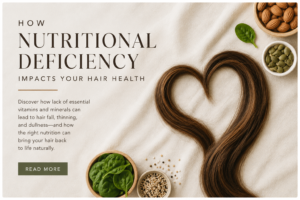
Healthy hair requires a diet that is well-balanced. If you’re not getting the right nutrients, your hair may not grow as it should. Don’t forget to include these vital nutrients in your diet:
- Protein: Hair is made of protein, so eating enough protein-rich foods like eggs, chicken, lentils, and nuts is vital for hair growth.
- Iron: Hair loss may result from low iron levels. You can get iron from foods like red meat, lentils, and spinach.
- Vitamins: Vitamins like Vitamin A, C, D, and E promote healthy hair. For example, vitamin C promotes collagen production, and vitamin D supports hair follicles.
- Zinc and Biotin: These nutrients help strengthen hair and prevent hair thinning. Foods such as almonds, oats, and pumpkin seeds are excellent sources.
Remember, hair growth starts from the inside out, so a balanced diet is the first step toward preventing hair fall.
2. Scalp Care is Key
A healthy scalp is essential for hair growth. Without proper care, clogged hair follicles can cause hair to fall out. Here are some easy ways to take better care of your scalp.
- Massage Your Scalp: Regularly massaging your scalp helps increase blood circulation, which can promote hair growth. Take just 5 to 10 minutes each day to gently massage your scalp with your fingertips—it’s a relaxing and easy way to boost hair growth.
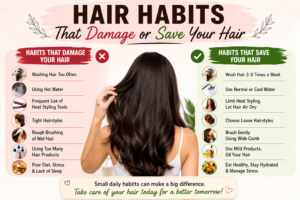
- Keep It Clean: Use a gentle, sulfate-free shampoo to cleanse your scalp and remove dirt, excess oil, and product buildup. Avoid washing your hair too frequently as this might strip your scalp of the natural oils it needs to be healthy.
- Use Essential Oils: Some essential oils, like rosemary and peppermint oil, are known to stimulate hair growth. Gently massage a few drops into your scalp after diluting them with a carrier oil like coconut or jojoba.
3. Be Gentle with Your Hair
How you care for your hair can also have an impact on its health. Here are some ways to avoid inflicting damage:
- Avoid tight hairstyles: Tight ponytails and buns can cause hair breakage and traction alopecia.
- Gently detangle your hair with a wide-tooth comb, as wet hair is especially fragile and easily damaged. Avoid using harsh brushes, especially when your hair is wet.
- Limit Heat Styling: Excessive use of heat styling tools (like blow dryers, straighteners, and curling irons) can damage your hair and cause it to break. Let your hair air-dry whenever possible, and reserve heat styling for special occasions.
4. Stay Stress-Free
Stress is a primary cause of hair loss. Stress causes the body to produce more cortisol, which can disrupt the hair growth cycle. Here’s how to manage stress:
- Exercise Regularly: Physical activity can help reduce stress and improve blood flow to your scalp.
- Practice Relaxation Techniques: Meditation, yoga, and deep breathing exercises are all great ways to reduce stress and relax your mind.
- Your hair and health both benefit when you sleep for 7 to 8 hours daily. Sleep is vital for general health and hair growth.
5. Avoid Harmful Hair Products
Many hair care products contain chemicals that might cause long-term hair damage. Here’s what you should avoid:
- Sulfate and parabens: These harsh chemicals might remove your hair’s natural oils and irritate your scalp. Look for shampoos and conditioners that are devoid of sulfates and parabens.
- Alcohol-Based Products: Hair gels, sprays, and mousses that contain alcohol can dry out your hair and scalp. Choose products with natural ingredients like aloe vera and coconut oil.
6. Try Natural Remedies for Hair Growth
If you’re looking for natural ways to boost hair growth, there are several remedies you can try at home:
- Aloe Vera: Aloe vera is known for its soothing properties and can help reduce dandruff while promoting healthy hair growth. Apply fresh aloe vera gel to your scalp and leave it on for 30 minutes before washing it off.
- Onion Juice: Although it may not smell pleasant, onion juice is rich in sulfur, which can stimulate hair follicles and promote growth. Rub onion juice into your scalp, allow it to sit for 15–30 minutes, and then rinse thoroughly with a mild shampoo.
- Fenugreek Seeds: Fenugreek is a traditional remedy that’s believed to strengthen hair and reduce hair fall. Soak the seeds overnight, grind them into a paste, apply it to your scalp for 30 minutes, and then rinse it off.
7. Consult a Dermatologist
If you’ve tried everything and still see no improvement, it might be time to consult a dermatologist. They can diagnose any underlying conditions, like hormonal imbalances, scalp infections, or genetic hair loss. They may recommend treatments such as:
- Minoxidil: One over-the-counter topical drug that promotes hair growth is minoxidil.
- Platelet-Rich Plasma (PRP) Therapy: A treatment that employs blood platelets to promote hair growth.
- Hair Transplant Surgery: In severe cases, a hair transplant may be recommended to restore hair.
8. Patience is Key
Lastly, it’s important to be patient. Hair growth takes time, and results won’t happen overnight. Stay consistent with your hair care routine, eat a nutritious diet, and avoid stress, and you should start to see positive changes in a few months.
Conclusion
Hair fall is a common problem, but with the right approach, you can stop it and encourage new hair growth. A combination of proper scalp care, a balanced diet, stress management, and the use of natural remedies can make a big difference. If you don’t notice any improvement, don’t hesitate to consult a professional for guidance.
Remember, healthy hair starts from within, and with a little time and effort, you can restore your hair to its full, natural glory!