Have you ever wanted chocolate after a stressful day or craved chips when you felt tired? Food cravings are common. They can happen when you are hungry, stressed, bored, sad, or even happy.
Sometimes, eating your favourite food can make you feel better for a short time. However, if you always turn to food when you feel upset, it may become harder to deal with your feelings in other ways.
Food cravings are not always a problem. They do not mean that something is wrong with your health. But understanding why cravings happen can help you build better eating habits and take care of your mental health.
In this article, we will look at why food cravings happen, how they may affect your mood, and what you can do to manage them.
What Are Food Cravings?
Food cravings are strong wishes to eat a particular food. You may want chocolate, ice cream, chips, pizza, or another favourite snack.
Hunger and cravings are not the same. When you are hungry, you may be happy to eat different types of food. When you have a craving, you may want one specific food even after eating a meal.
Cravings can happen for many reasons, such as:
- Stress: You may want comfort food after a difficult day.
- Boredom: You may eat snacks when you have nothing to do.
- Poor sleep: Feeling tired may increase your desire for certain foods.
- Food habits: You may want popcorn whenever you watch a movie.
- Hormonal changes: Some people notice more cravings during their monthly period or pregnancy.
- Hunger: Skipping meals can make you want food more often.
Understanding your cravings can help you make better choices without feeling guilty.
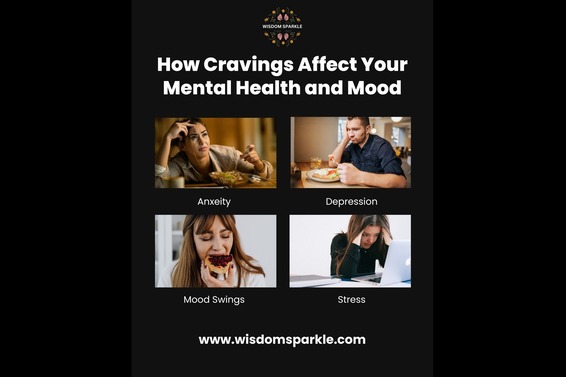
How Cravings Affect Your Mental Health and Mood
Food cravings and your mood can affect each other. Your feelings may change what you want to eat, and your eating habits may also affect how you feel.
Here are some ways they can be connected.
1. Stress Can Increase Cravings
Have you ever wanted sweets or snacks after a stressful day? This happens to many people.
When you feel stressed, you may look for something that helps you relax. Eating your favourite food can feel comforting for a short time.
However, if you always use food to deal with stress, you may not find other ways to handle your feelings. You may also feel upset if you eat more than you planned.
What can you do?
When you feel stressed, take a short break. Go for a walk, listen to music, talk to a friend, or try slow breathing. You can still enjoy your favourite food, but try to find other ways to feel better too.
2. Cravings May Affect Your Mood
Your food choices, sleep, and eating habits can affect how you feel during the day.
For example, skipping meals may leave you hungry, tired, or irritated. You may then want sweet or salty snacks because they are easy to find.
Some people also notice changes in their energy after eating certain foods. However, sugar does not cause the same reaction in everyone, and cravings do not always lead to mood changes.
What can you do?
Try to eat regular meals and include different types of food. Vegetables, fruit, whole grains, eggs, beans, and other protein foods can help you meet your daily needs.
Avoid skipping meals just to control your cravings. Eating enough is an important part of taking care of yourself.
3. Your Brain Can Connect Food With Happiness
Food is not only something we eat when we are hungry. We also enjoy the taste of our favourite meals and snacks.
For example, you may eat chocolate when you feel sad or enjoy ice cream while watching your favourite show. After some time, you may start wanting the same food whenever you feel that way.
This happens because your brain can connect certain foods with happy or comforting feelings.
Wanting your favourite food does not mean you are addicted to it. It is often a normal part of your eating habits.
What can you do?
Notice when you usually get cravings. If you want snacks whenever you feel bored, try doing something you enjoy, such as reading, gardening, drawing, or calling a friend.
You do not need to stop eating your favourite foods. The aim is to have different ways to enjoy your day and manage your feelings.
4. Cravings and Anxiety Can Be Connected
When you feel worried or nervous, you may want to eat something comforting. Other people may lose their appetite when they feel anxious.
Both reactions can happen. Everyone responds to stress differently.
Some drinks and foods may also make certain people feel more nervous. For example, too much caffeine from coffee or energy drinks can cause a fast heartbeat or make you feel restless.
Feeling guilty about eating can add more worry. This may make it harder to enjoy food and feel relaxed.
What can you do?
Notice how you feel when cravings happen. Try to understand whether you are hungry, tired, worried, or bored.
Take breaks during the day and make time for activities that help you relax. If anxiety affects your sleep, work, or daily life, speak with a healthcare professional.
5. Eating Habits and Depression May Be Related
Your mood can affect how you eat. When you feel sad or low, you may eat more than usual, eat less, or lose interest in making meals.
Some people also turn to familiar foods because they find them comforting.
Eating habits and mental health can affect each other, but eating sweets or processed foods does not automatically cause depression. Many things can affect mental health, and food is only one part of overall well-being.
What can you do?
Try to eat regular meals and include a variety of foods. Fruit, vegetables, whole grains, beans, nuts, and other foods you enjoy can help you meet your daily needs.
You do not need to change your entire diet at once. Start with small steps that are easy to follow.
If you feel sad or low for a long time, talk to a healthcare professional. Changing your diet alone may not be enough to help.
Why Do We Get Food Cravings?
Food cravings can happen for different reasons. Here are some common causes.
Emotional Changes
Stress, sadness, boredom, and even happiness can make you want certain foods. You may crave a snack because you want comfort or want to celebrate something.
Skipping Meals
When you do not eat enough, you may feel very hungry later. This can make you want quick and filling foods.
Eating regular meals can help you manage hunger throughout the day.
Lack of Sleep
When you do not get enough sleep, you may feel tired and want more snacks. Poor sleep can also affect your appetite and make it harder to manage stress.
Try to maintain a regular sleep routine and give your body enough time to rest.
Hormonal Changes
Some people notice changes in their appetite before or during their monthly period. Pregnancy can also affect food preferences.
These changes are not the same for everyone.
Daily Habits
You may get used to eating snacks while watching television, working, or using your phone. After some time, you may want food whenever you do these activities.
Noticing these habits can help you understand why cravings happen.
Nutritional Needs
Food cravings do not always mean that your body is missing a vitamin or mineral. For example, craving chocolate does not automatically mean you need more magnesium.
If you have other symptoms or are worried about your diet, ask a healthcare professional for advice.
How to Manage Cravings for Better Mental Health
You do not need to fight every craving. Instead, try to understand why it happens and build habits that help you feel better.
1. Eat Regular, Balanced Meals
Skipping meals can leave you very hungry later in the day. Try to eat meals that include different types of food.
For example, you could have oats and fruit for breakfast or rice, dal, and vegetables for lunch.
Choose foods that you enjoy and that fit your daily needs.
2. Drink Enough Water
Drink water throughout the day, especially when you feel thirsty. Sometimes, you may confuse thirst with hunger.
However, water will not always stop a craving. If you are hungry, eat something instead of trying to ignore it.
3. Notice Your Feelings
When a craving starts, take a moment to ask yourself a few questions:
- Am I hungry?
- Am I feeling stressed or bored?
- Have I eaten enough today?
- Do I simply want to enjoy this food?
There is no wrong answer. These questions can help you understand your habits and decide what you need.
4. Find Simple Ways to Manage Stress
Stress can affect your mood and eating habits. Making time for yourself may help you feel calmer.
You can try walking, listening to music, talking to a friend, reading a book, or spending time outdoors.
Choose activities that you enjoy. You do not need to follow a strict routine to take care of your mental health.
5. Get Enough Sleep
Poor sleep can affect your hunger and food choices. Try to sleep and wake up at similar times each day.
Most adults need around seven to nine hours of sleep each night, although sleep needs can vary.
A regular sleep routine can help you feel more rested and ready for the day.
6. Enjoy Your Favourite Foods Without Guilt
You do not need to stop eating chocolate, chips, ice cream, or other favourite snacks.
Completely avoiding foods you enjoy may make eating feel stressful. Instead, focus on your overall eating habits and include a variety of foods.
You can enjoy a treat and still take care of your health. One snack does not decide whether your diet is healthy.
7. Stay Active
Physical activity can help improve your mood and reduce stress. You do not need to do heavy exercise or spend hours at the gym.
A short walk, gentle stretching, dancing, or another activity you enjoy can be a good place to start.
Choose something that fits your daily routine and feels comfortable for you.
8. Build a Simple Eating Routine
Try to eat at regular times and avoid waiting until you are extremely hungry. Keep easy snacks available if you often get hungry between meals.
You can choose fruit, nuts, yoghurt, or another snack you enjoy. You can also have your favourite foods when you want them.
The goal is not to follow a perfect diet. It is to find eating habits that work for you.
When Should You Get Help?
Food cravings are common, and having them from time to time is normal. However, you may need support if:
- You often feel unable to control your eating.
- You feel strong guilt or worry after eating.
- You regularly skip meals to make up for eating.
- Your eating habits affect your daily life.
- You feel sad or anxious for a long time.
If these problems happen often, speak with a healthcare professional. They can help you understand what is happening and guide you towards the right support.
You do not need to feel ashamed or deal with these problems alone.
Frequently Asked Questions
Can stress cause food cravings?
Yes, stress can affect your appetite and make you want certain foods. Some people look for comfort in food, while others feel less hungry when they are stressed.
Why do I crave sweets when I feel sad?
You may connect sweet foods with comfort or happy memories. You may also want a snack because you are hungry or tired. Craving sweets when you feel sad does not automatically mean something is wrong.
Can food cravings cause anxiety?
Cravings alone do not mean you will develop anxiety. However, stress, eating habits, and worries about food can affect how you feel. If anxiety regularly affects your daily life, seek professional advice.
Can lack of sleep increase cravings?
Yes, poor sleep can affect hunger and make some foods more appealing. Getting enough rest may help you manage your appetite and daily routine.
Should I stop eating sugar to control cravings?
You do not always need to stop eating sugar completely. Focus on eating a variety of foods and building healthy habits that you can follow over time.
When should I worry about food cravings?
Occasional cravings are normal. If they feel uncontrollable, cause a lot of stress, or affect your eating habits and daily life, speak with a healthcare professional.
Final Thoughts
Food cravings are a normal part of life. They can happen because of hunger, stress, boredom, poor sleep, or daily habits.
Cravings do not automatically mean that you have a health problem. The important thing is to understand your eating habits and notice how you feel.
Try to eat regular meals, get enough sleep, stay active, and find simple ways to manage stress. You can also enjoy your favourite foods without feeling guilty.
Remember, taking care of your mental health does not mean following a perfect diet. Small changes and a kinder attitude towards yourself can help you build a healthier relationship with food.